A plant-parent friendly breakdown of rooting cuttings in water vs. soil, including success rates, best plants for each method, and step-by-step instructions.
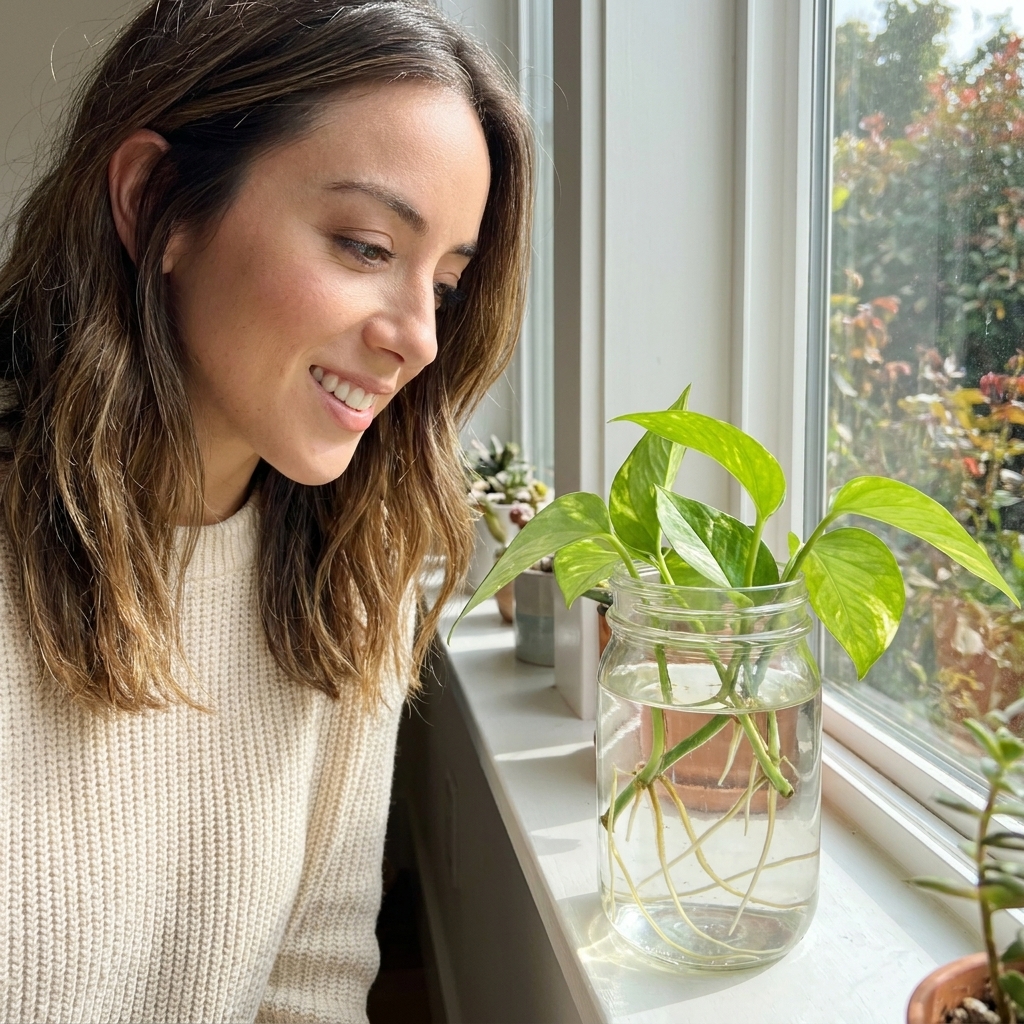
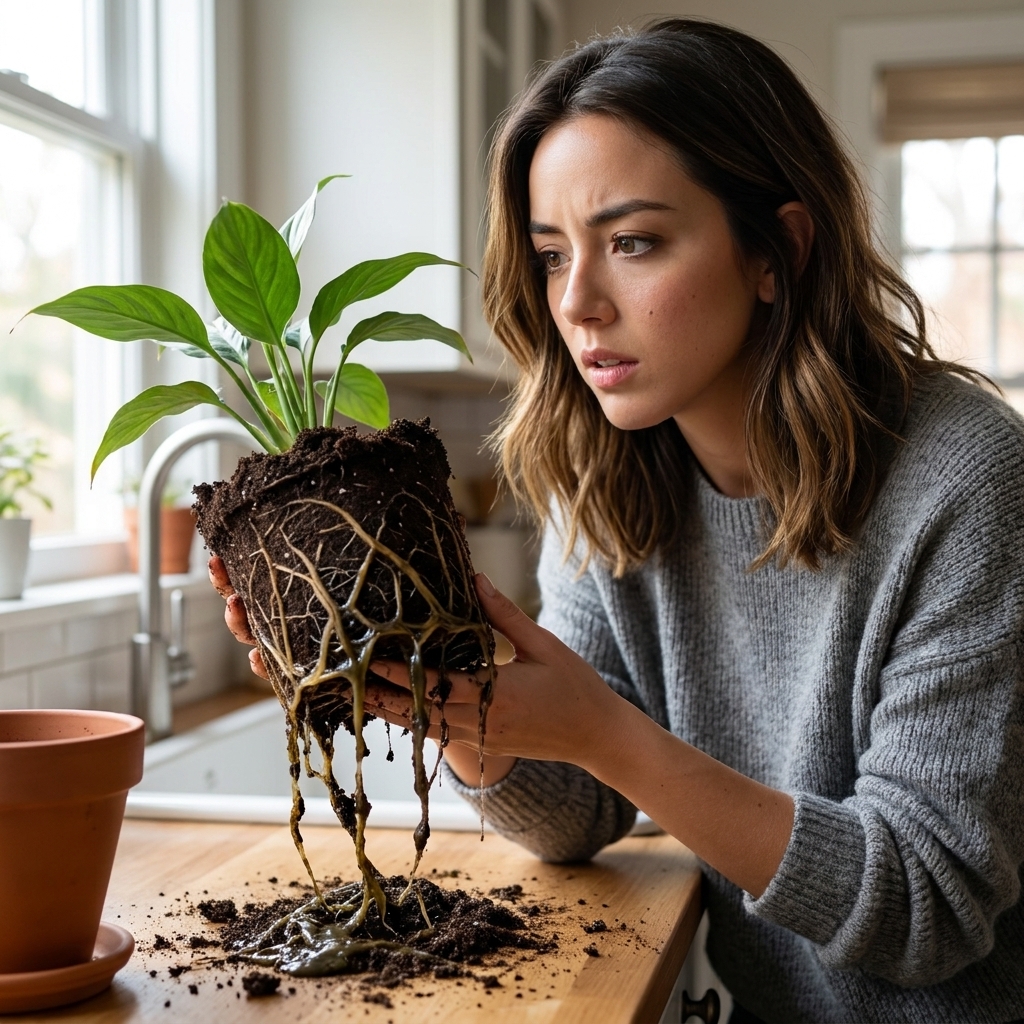
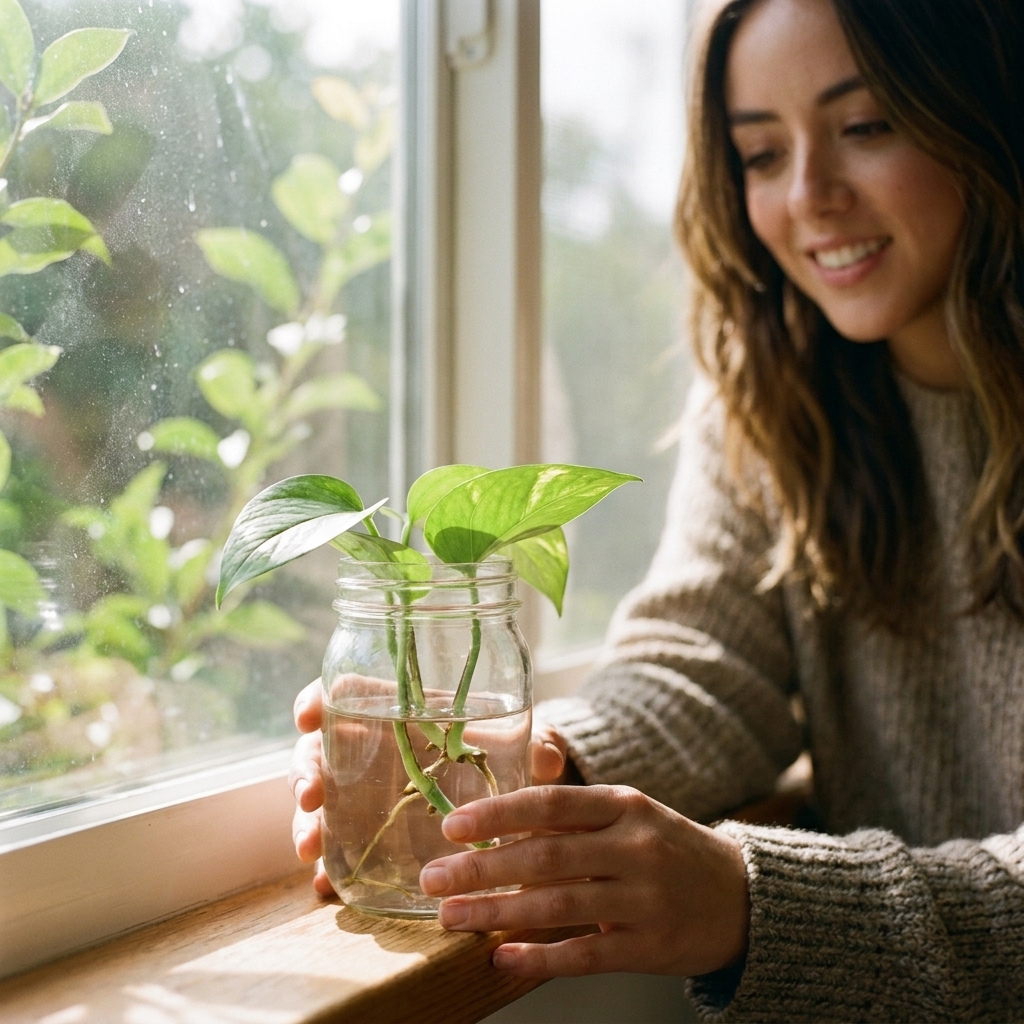
If you have ever watched an expensive cutting slowly turn to mush in water, I see you. My early propagation era was basically a highlight reel of "but I changed the water!" heartbreak. The good news is you are not cursed. Some plants simply hate sitting in water long-term, and some cuttings do better with air around their nodes than they do with a constant soak.
If you only read one thing: Use sphagnum moss when you need steady humidity and snug node contact (especially for wet sticks), and use perlite when you are trying to avoid rot and want maximum airflow.
Two of my favorite alternatives for tricky, rot-prone, or slow-to-root cuttings are sphagnum moss and perlite. Both can work beautifully. They just solve the problem in slightly different ways.
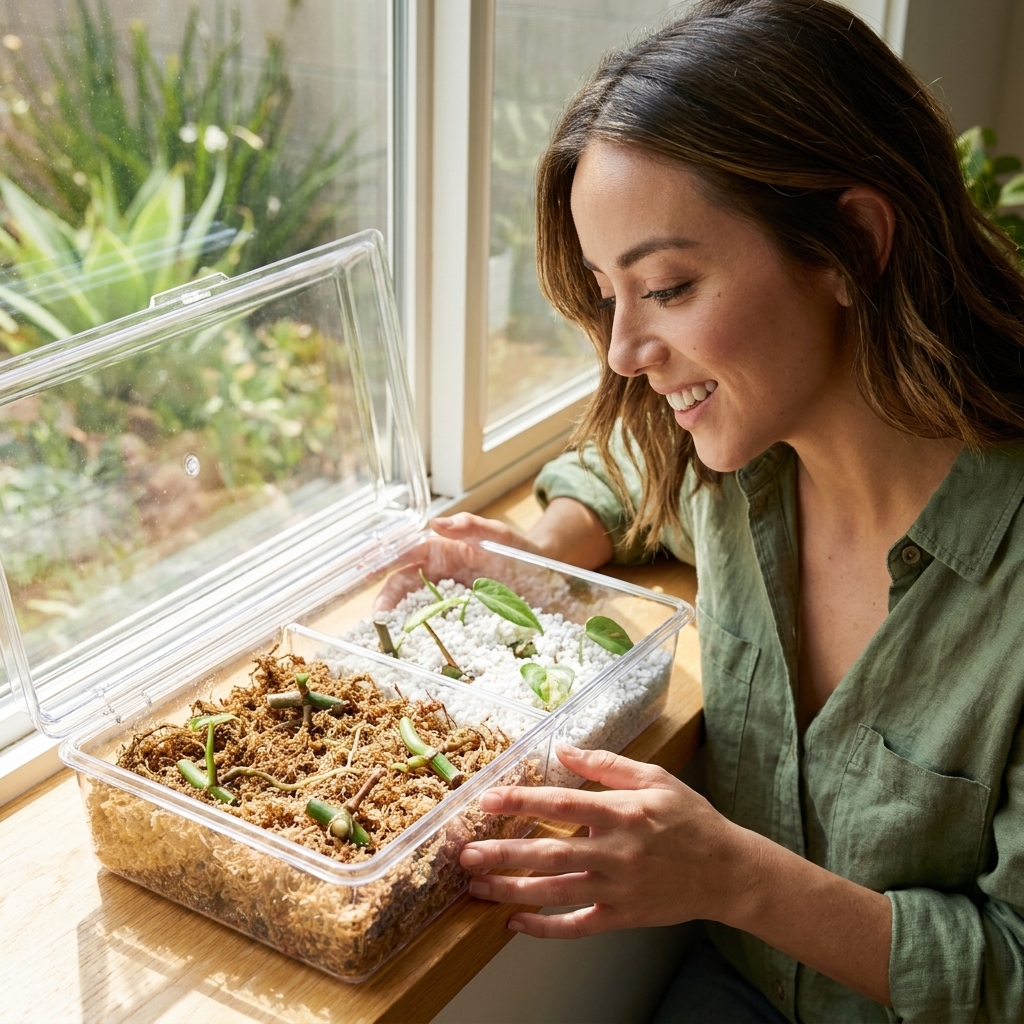
Why use moss or perlite?
Water and potting soil are the classics, but they are not always the best match for delicate cuttings.
- Water can encourage rot on fleshy stems or damaged nodes, especially if temperatures are cool or the cutting was taken with a less-than-perfect tool.
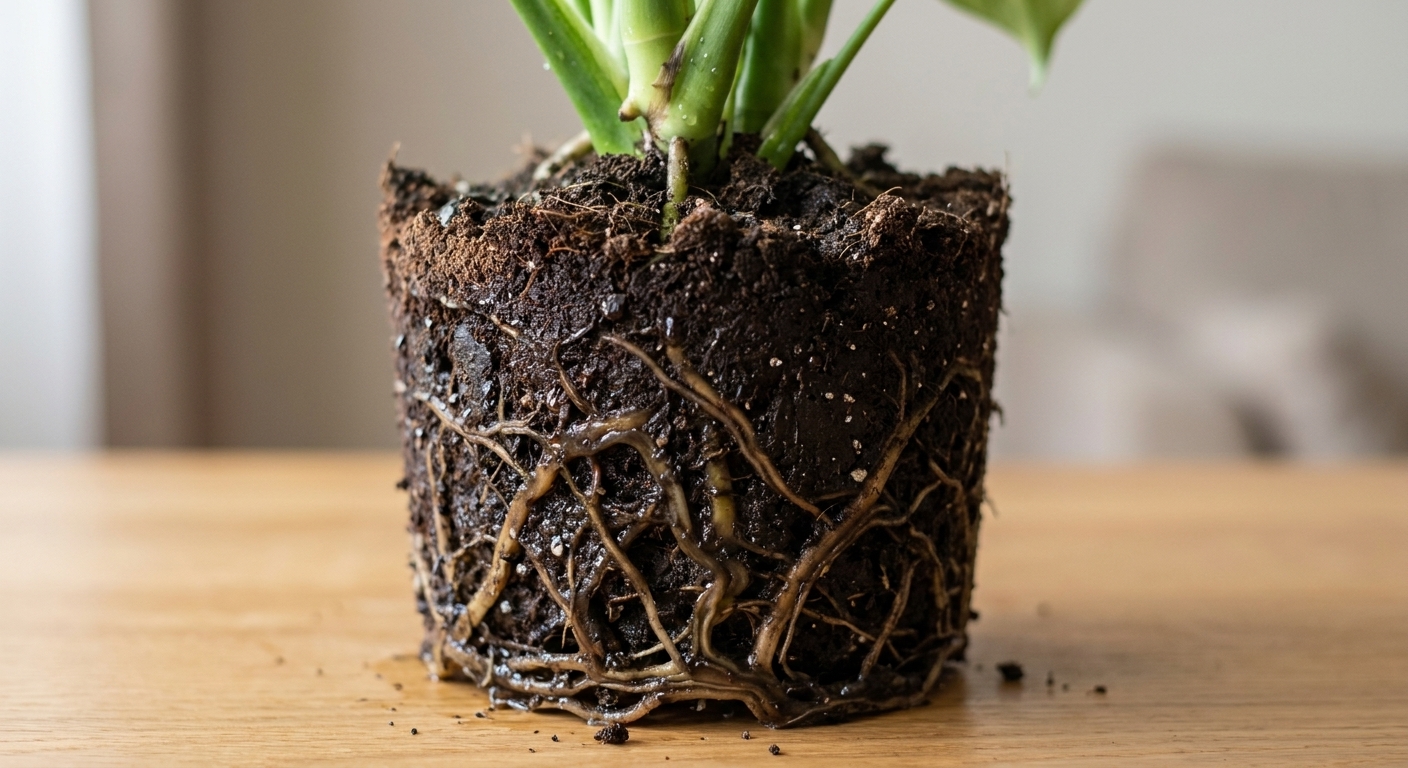
- Water-grown roots can be different (often adapted to constant moisture). Many plants transition just fine, but some sulk when you move them to a chunky mix unless you keep moisture and humidity steady during the handoff.
- Potting soil can stay too wet for a fresh cutting if the mix is dense, the pot is too large, or light is low. An airy mix in a small container can work great, but it leaves less room for error.
- Moss and perlite hold moisture while still giving oxygen. That oxygen is a big deal because roots need air as much as they need water.
Sphagnum moss
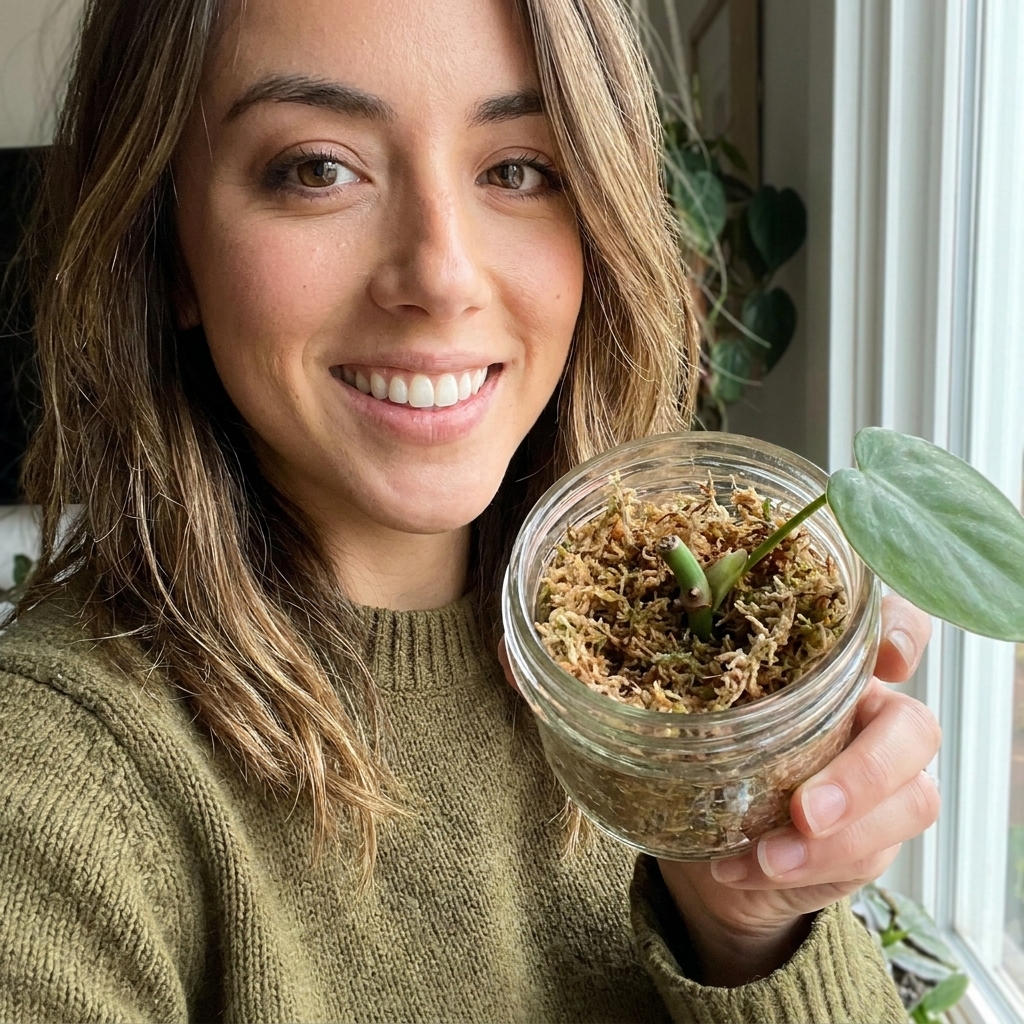
Sphagnum moss is dried moss (usually sold in compressed bricks or loose bags) that you rehydrate. When used correctly, it creates a humid, gently moist environment around nodes and aerial roots.
Why sphagnum works
- Moisture buffering: Moss holds water evenly, so the cutting is less likely to swing from bone-dry to soggy.
- Great node contact: You can tuck a node into moss and keep it snug, which is helpful for plants that root along nodes (many aroids).
- Excellent for high-humidity setups: Moss shines in a propagation box, plastic bag setup, or covered nursery pot.
Best for
- Rare or slow-to-root aroids: Monstera, Philodendron, Anthurium, Syngonium, Scindapsus.
- Wet-stick propagation: Leafless node segments ("wet sticks") that need consistent moisture and warmth.
- Cuttings with aerial roots: Moss helps aerial roots transition into functioning roots without drying out.
Where sphagnum can go wrong
- Too wet, too tight: Packed, sopping moss can smother a node and invite rot.
- Hidden problems: Because moss covers the node, it is easier to miss early rot until it is advanced.
- Transfer shock: Roots grown in pure moss can cling to fibers. If you rip moss off aggressively, you can damage brand-new roots.
Perlite
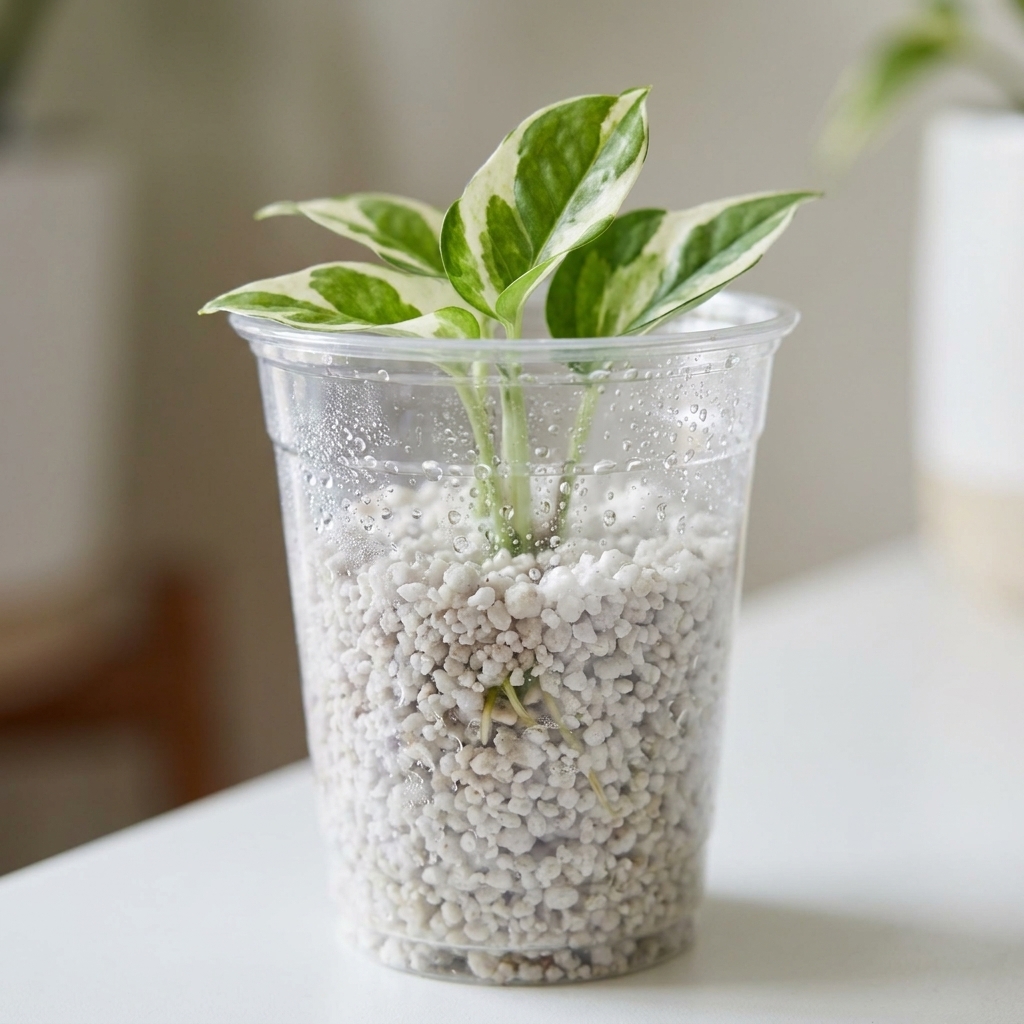
Perlite is expanded volcanic glass. It looks like lightweight white pebbles and creates tons of air pockets. For cuttings that keep rotting, that airflow can be magic.
Why perlite works
- High oxygen around the stem: This is the big one. Oxygen discourages the anaerobic conditions that rot loves.
- Moist but not heavy: Perlite holds a thin film of water on each piece while still draining fast.
- Easy to inspect: You can often see roots through a clear cup, and it is easier to spot a stem that is starting to darken.
Best for
- Cuttings that melt in water: Hoya, pothos segments that keep failing in jars, and many aroids that have already had one rot incident.
- People who tend to overwater: If you are a recovering "love them to death" waterer like I was, perlite gives you a wider margin of error.
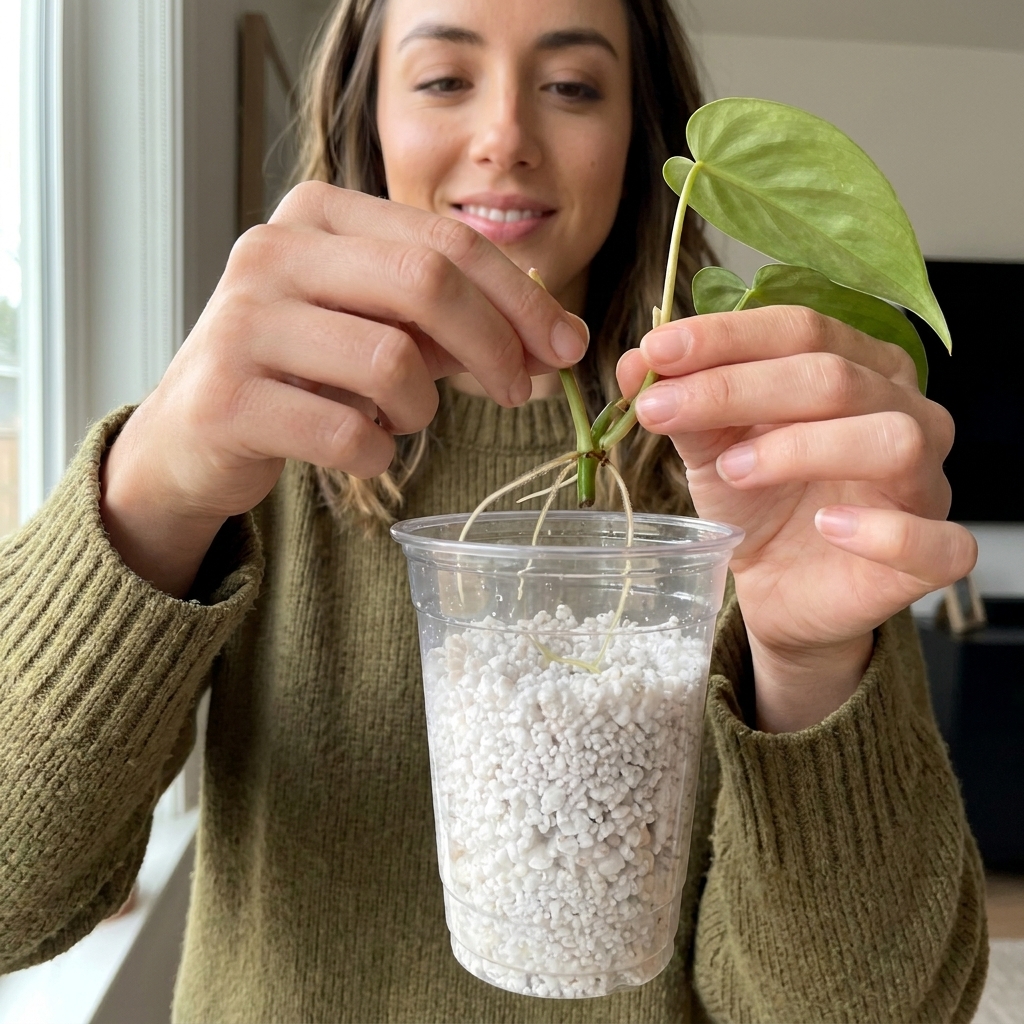
- Transitioning from water: If you already have water roots and want a gentler step toward a chunky mix, perlite can act like a halfway house.
Where perlite can go wrong
- Dry pockets: Perlite can dry unevenly if your container is too ventilated or your home is very dry.
- Unstable cuttings: Tall cuttings can wobble unless you anchor them.
- Salt buildup: If you fertilize in perlite (usually not needed for rooting), minerals can accumulate. Plain water is best until you have roots.
Moss vs. perlite
If you want the fast decision rule I use at my plant shelf:
- Choose sphagnum moss when the cutting needs steady humidity and close node contact, especially for wet sticks (leafless node segments), aerial-rooted nodes, or very dehydrated cuttings.
- Choose perlite when you are fighting rot, you want maximum airflow, or you know you are likely to keep things too wet.
Quick cheat sheet
- Node is delicate, tiny, or leafless (wet stick): Sphagnum
- Cutting already has a history of rotting: Perlite
- You need to keep humidity high in a dry home: Sphagnum (in a closed box)
- You want easy inspection and less fuss: Perlite
- You are rooting in lower light or cooler temps: Perlite (safer against staying too wet)
Clean setup basics
This is the unsexy part, but it saves so many cuttings.
- Clean your tools: Wipe scissors or pruners with isopropyl alcohol before you cut and between plants if you are taking multiple cuttings.
- Use clean containers: A quick wash with hot soapy water is often enough. If a container previously held something rotting, wash it well and rinse thoroughly.
- Rinse dusty mediums: Rinse perlite to remove dust. For sphagnum, a quick rinse can help remove debris, and then wring it out hard.
- Pest reality check: Any moist medium can invite fungus gnats. Your best defense is not flooding your setup and giving it some airflow.
How to root in sphagnum
This is my go-to method for aroids and wet sticks.
What you need
- Long-fiber sphagnum moss
- A clear container or nursery pot inside a clear bin
- Clean scissors or pruners
- Optional: rooting hormone, heat mat, small fan in the room
Steps
- Rehydrate and wring out. Soak the moss, then squeeze it hard. It should feel like a damp sponge, not dripping.
- Fluff it up. Do not pack it down. Air pockets are part of the point.
- Position the node. Place the node against the moss with gentle contact. Cover it lightly, not buried under a thick wet blanket.
- Create humidity, not a swamp. Close a propagation box or loosely cover the pot. If condensation is heavy and constant, vent it daily.
- Warmth helps. For many tropical houseplants, roughly 72 to 80 F tends to root faster. If your home runs cool, a heat mat under the box can be a game-changer.
- Check weekly. Feel the moss. If it is crisp, mist or add a tiny splash of water. If it is soggy, open the lid for longer and let it breathe.
My biggest moss tip: If you are prone to overwatering, measure water in teaspoons, not pours. Moss holds more water than you think.
How to root in perlite
This method is wonderfully forgiving for cuttings that keep failing in water.
What you need
- Perlite (medium or coarse)
- A clear cup or small pot with drainage
- A cachepot or tray to catch runoff
- Optional: a humidity dome or clear bag for very dry homes
Two reliable setups
Option A: Drainage cup method (my favorite)
- Fill a clear cup with drainage holes with perlite.
- Rinse perlite to remove dust.
- Moisten until water runs out, then let it drain fully.
- Insert the cutting so the node sits in the damp perlite.
- Water again only when the top layer feels almost dry and the cup feels noticeably lighter.
Option B: Reservoir method (can help some cuttings root faster, but easier to overdo)
- Use a container with no drainage.
- Add perlite, then add a small reservoir of water at the bottom (around 0.5 to 1 inch).
- Keep the node in damp perlite, not submerged. The cutting should sit above the water line while the perlite wicks moisture upward.
- Refresh water if it gets cloudy and keep the reservoir shallow.
Light, humidity, temperature
Medium matters, but the environment is what turns a cutting into a plant.
- Light: Bright, indirect light is ideal. Low light slows rooting and keeps mediums wet longer, which increases rot risk.
- Humidity: Higher humidity reduces leaf stress while roots form. If a cutting keeps drooping, your humidity is probably too low for that particular plant.
- Warmth: Warm roots equal faster roots. Cool, damp setups are where rot thrives.
- Airflow: Stagnant air plus wet medium is trouble. Even cracking a lid daily helps.
Quick species caveat: Not all plants propagate the same way. Some root best from stems with nodes, some from leaf petioles, some from canes or rhizomes, and even within "begonias," the rules change fast. If a cutting is not rooting, double-check that you are using the right plant part for that species.
When to pot up
Potting too early is one of the most common ways to lose a cutting that was doing fine.
Good benchmarks
- Multiple roots that are at least 2 to 3 inches long
- Secondary roots (branching) starting to appear
- New growth like a fresh leaf or a swelling bud, especially for aroids
How to transition
- From sphagnum: Do not scrub roots clean. Tease off only loose moss. Plant the cutting into a chunky, airy mix and keep it slightly more moist than usual for the first 1 to 2 weeks.
- From perlite: Perlite falls away easily. Plant into your soil mix, water once to settle, then return to normal watering based on dryness.
If you are rooting something truly finicky, you can also transition into a chunky propagation blend (think orchid bark, perlite, a little coco coir or peat) before moving to its long-term soil recipe.
Troubleshooting
The node is turning brown or black
- Likely cause: rot starting
- What to do: Remove immediately, trim back to healthy tissue with a sterile blade, and re-root in fresh perlite or lightly damp moss. Increase warmth and airflow. Keep the medium less wet than you think it needs.
Moss smells sour or swampy
- Likely cause: too wet and not enough ventilation
- What to do: Replace the moss, wring it out harder, and vent the container daily. Consider switching to perlite if rot keeps returning.
The cutting keeps wilting even though the medium is moist
- Likely cause: not enough humidity or the cutting has too much leaf mass for its current rootless state
- What to do: Add a humidity dome or propagation box, move to brighter indirect light, and consider trimming one large leaf in half to reduce transpiration.
No roots after weeks
- Likely cause: temps too cool, light too low, or the cutting has no viable node
- What to do: Confirm a node is present, increase warmth, and be patient. Some plants pause before they push roots, especially after shipping stress.
Mix moss and perlite?
Yes, and it can be a sweet spot. A moss and perlite blend gives you the moisture buffering of moss with extra airflow from perlite.
I like this combo when:
- I am rooting a cutting that dries out too fast in perlite alone.
- I want the stability of moss but I am nervous about rot.
- I am using a closed propagation box and want insurance against sogginess.
A simple starting ratio is 1:1 by volume. Keep the mix fluffy, not compressed.
My pick for hard cuttings
If I can only choose one for a cutting that has already broken my heart once, I usually reach for perlite first because it is so rot-resistant and easy to monitor. Then I add humidity if the leaves need it.
If I am working with a wet stick, a dehydrated import, or an aroid node with aerial roots that I want to keep gently hydrated, I choose sphagnum moss in a ventilated propagation box.
Either way, remember this: propagation is not a measure of your worth as a plant parent. It is just a little science experiment on your shelf. We adjust, we learn, we try again.
FAQ
Is sphagnum moss sterile?
Not necessarily. Some products are cleaner than others, but any medium can grow mold in a warm, wet, low-airflow container. The fix is usually less moisture and more ventilation, not panic.
Do I need rooting hormone?
It is optional. Rooting hormone can help with stubborn plants, but the biggest drivers are healthy node tissue, warmth, oxygen, and stable moisture.
What about LECA?
LECA can work too, especially for semi-hydro lovers. In practice, I find perlite is cheaper and more forgiving for beginners, while moss is better for tiny nodes and wet sticks.
How do I prevent fungus gnats in moss?
Let the moss run a bit drier between re-wetting, use bottom watering sparingly, and keep airflow up. If gnats appear, yellow sticky traps help for adults, and BTI dunks are very effective for larvae in the medium.