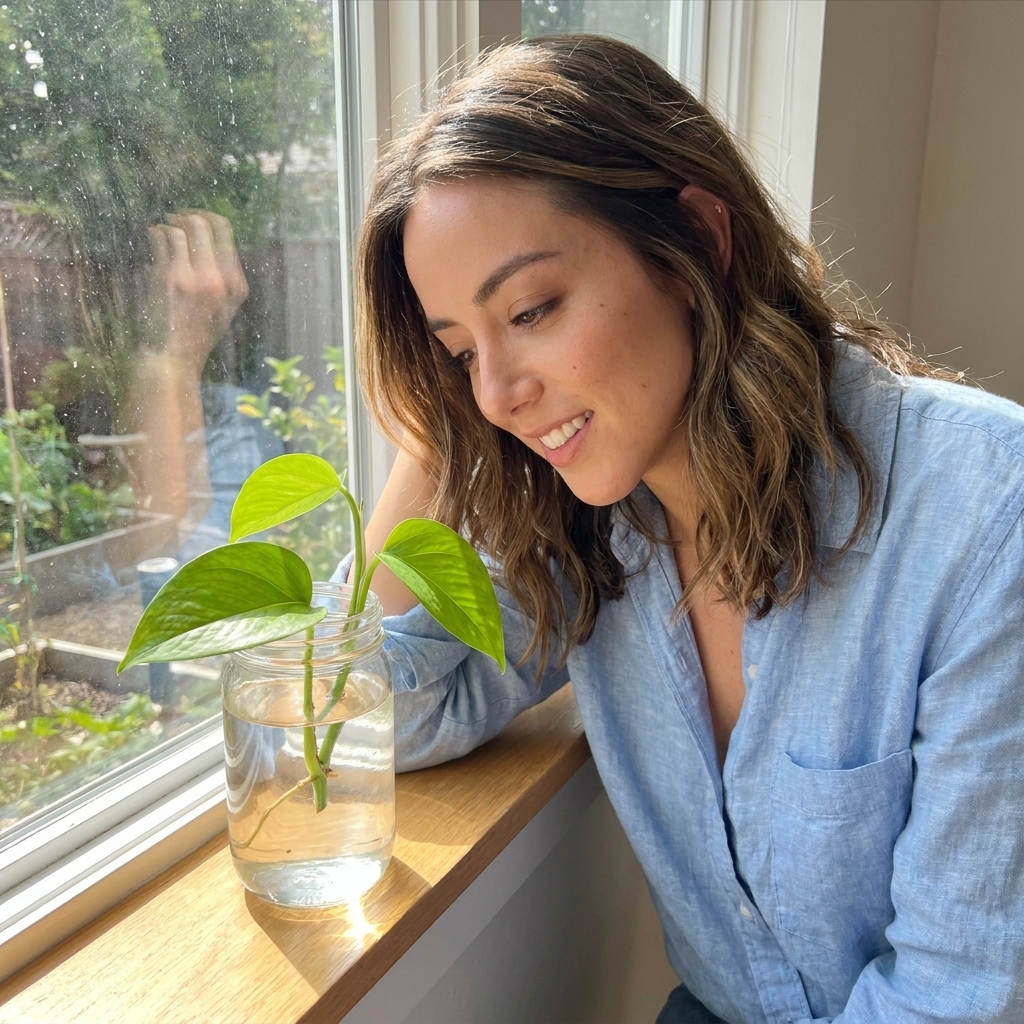
A step-by-step pothos propagation guide: where to cut, how to root in water, when to change water, and how to move rooted cuttings into soil successfully.
I used to think propagation was either magic or luck. Then I killed my first few plants by “loving them to death” with too much water, got stubborn, and started paying attention to what actually works. The truth is: both water and soil propagation can be wildly successful, but they excel in different situations.
In this guide, we’ll compare water vs. soil propagation for common houseplants, talk realistic success rates, and I’ll help you pick the method that fits your plant, your space, and your personality.
Quick answer: which method is best?
If you want the simplest rule that works most of the time:
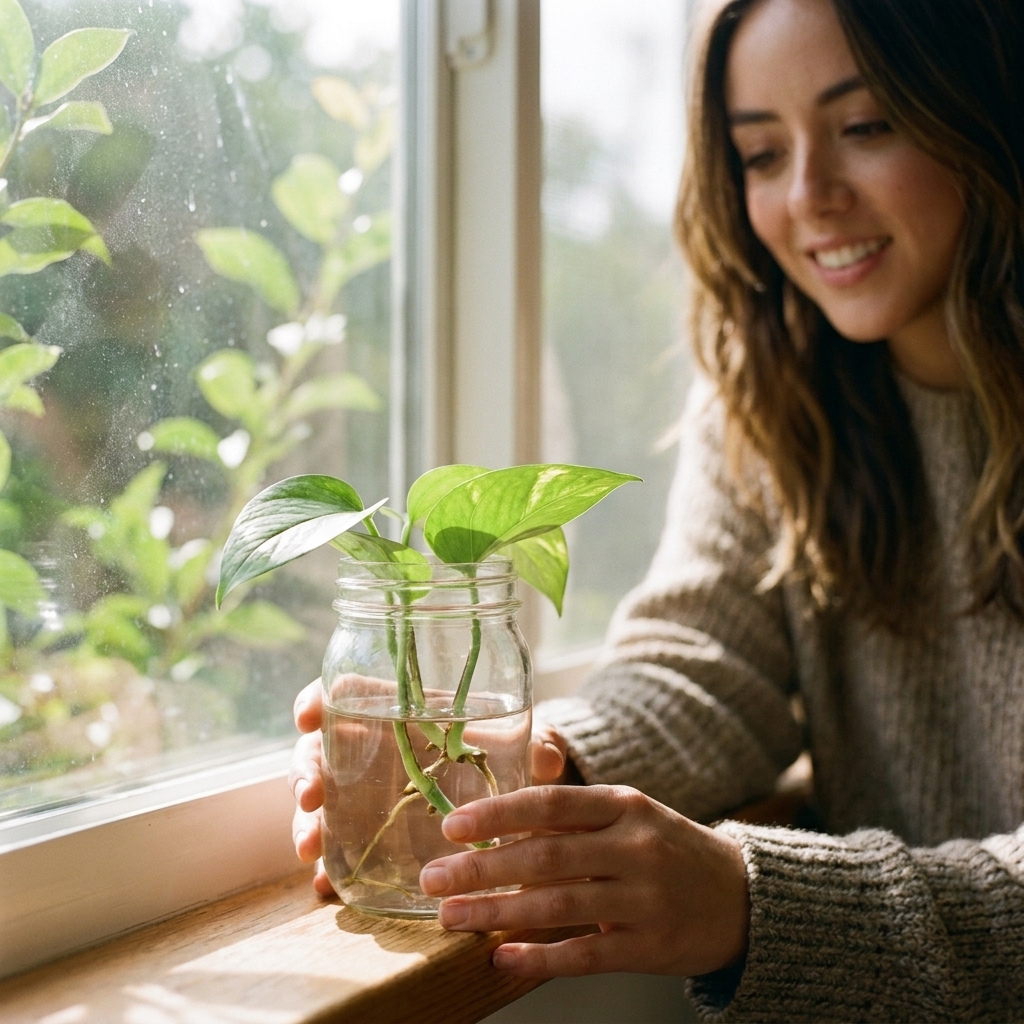
- Choose water propagation when you want to watch roots develop, you tend to overwater pots, or you are propagating fast-rooting aroids like pothos and philodendron.
- Choose soil propagation when you want to avoid the water-to-soil handoff, you are propagating plants that dislike constant water contact, or you want the cutting to adapt to potting mix from day one.
And yes, you can absolutely mix methods. Many of my best results come from starting in water and switching to soil at the right moment, or starting in an airy mix with higher humidity.
What “success rate” really means
When plant people say “water works better” or “soil works better,” they are often talking about different definitions of success.
- Rooting success: the cutting grows roots at all.
- Transition success: the cutting survives and grows after being moved (water to soil) or after roots establish in the pot.
- Growth success: the new plant actually takes off with new leaves and healthy root growth.
In many homes, water propagation has a high rooting success because conditions are easy to control and you can see problems early. Soil propagation can have a higher transition success because roots form in the medium they will live in long-term.
That said, neither method is a guaranteed winner. Success depends heavily on temperature, humidity, light, and oxygen around the stem, plus how clean your tools and containers are.
Water propagation
Why it is so popular
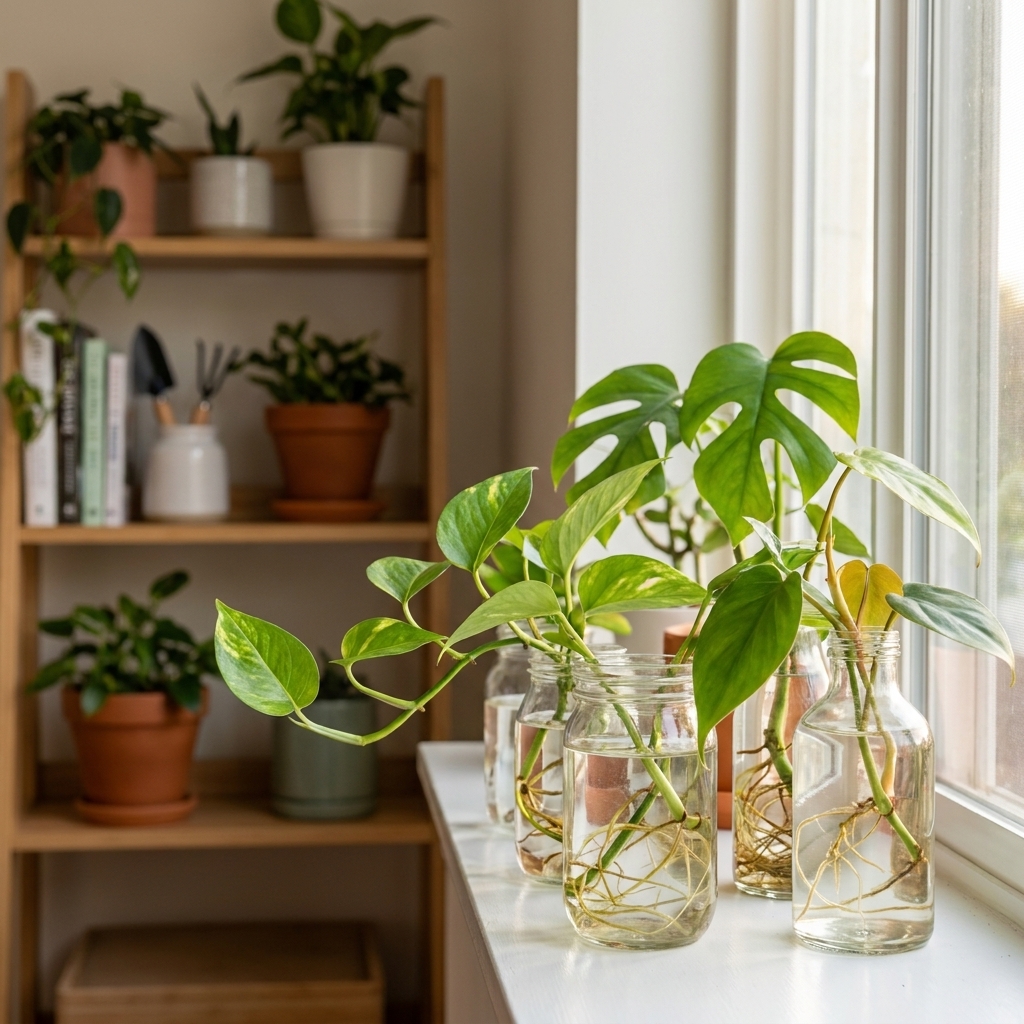
Water propagation is beginner-friendly for one big reason: you can see what is happening. If a node is submerged, you know. If the cutting is rotting, you spot it early. If roots are growing, it is a mini celebration on your windowsill.
Pros
- Fast feedback: you can monitor roots and catch rot early.
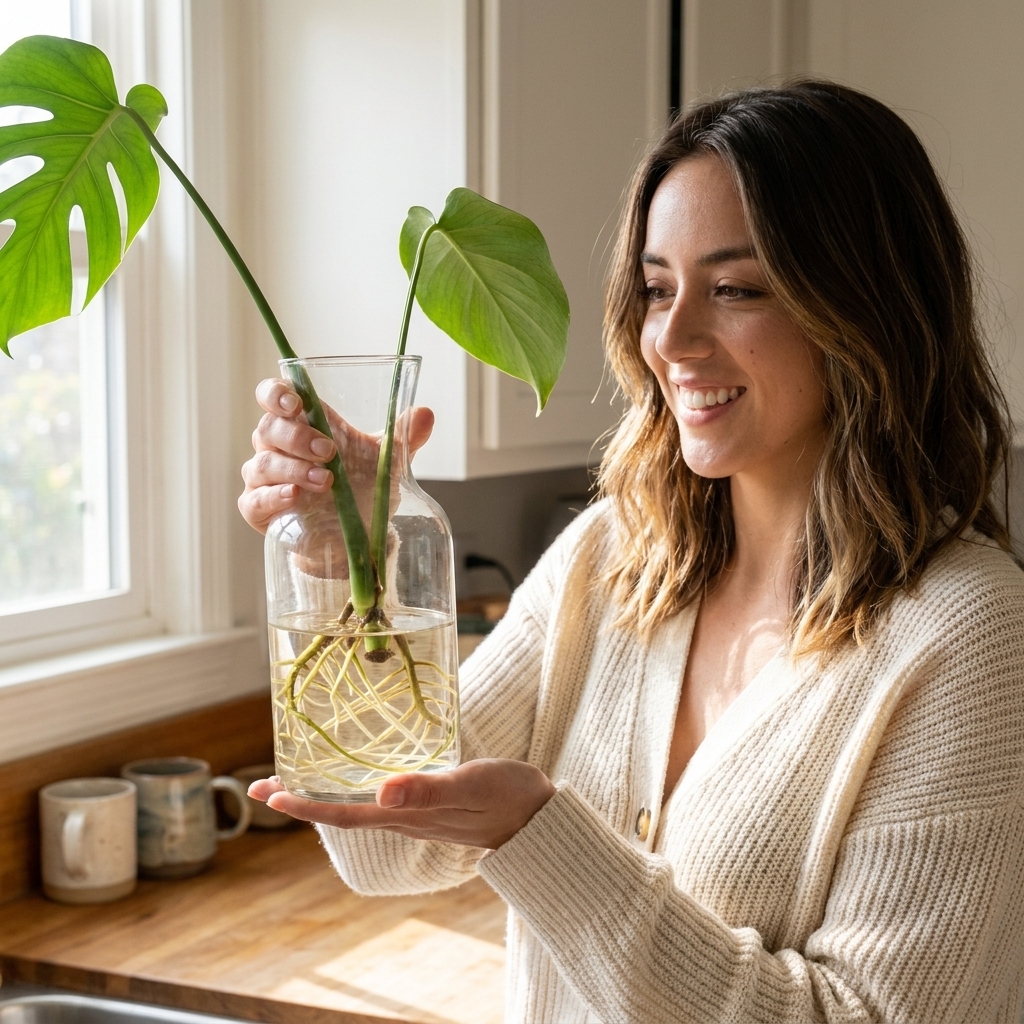
- Often faster initial rooting for many aroids (pothos, philodendron, monstera) in warm, bright conditions.
- Low barrier to entry: you only need a clean container and water.
- Great for small spaces: no potting soil mess, especially in apartments.
Cons
- Rougher potting-up can happen if you wait too long or let roots dry out during the move.
- Water quality can matter for some plants and households. Softened water (higher sodium) is a more common issue than typical tap water. If you suspect your water is a problem, try filtered or left-out-to-sit tap water and see if rooting improves.
- More maintenance: you may need to top off or refresh water to keep it fresh and oxygenated.
- Rot can spread quickly if bacteria builds up in stagnant water.
Typical success rate
For common, node-propagated houseplants (pothos, heartleaf philodendron, monstera adansonii), many indoor gardeners see high initial rooting success in water, especially in warm months with strong, indirect light. Most losses happen at the handoff to soil: potting too early, potting too late, or letting delicate new roots dry out.
A quick temperature reality check: many cuttings stall if your home is cool. If your space drops below about 18 to 20°C (65 to 68°F), expect slower rooting and a higher rot risk.
Soil propagation
What it really is
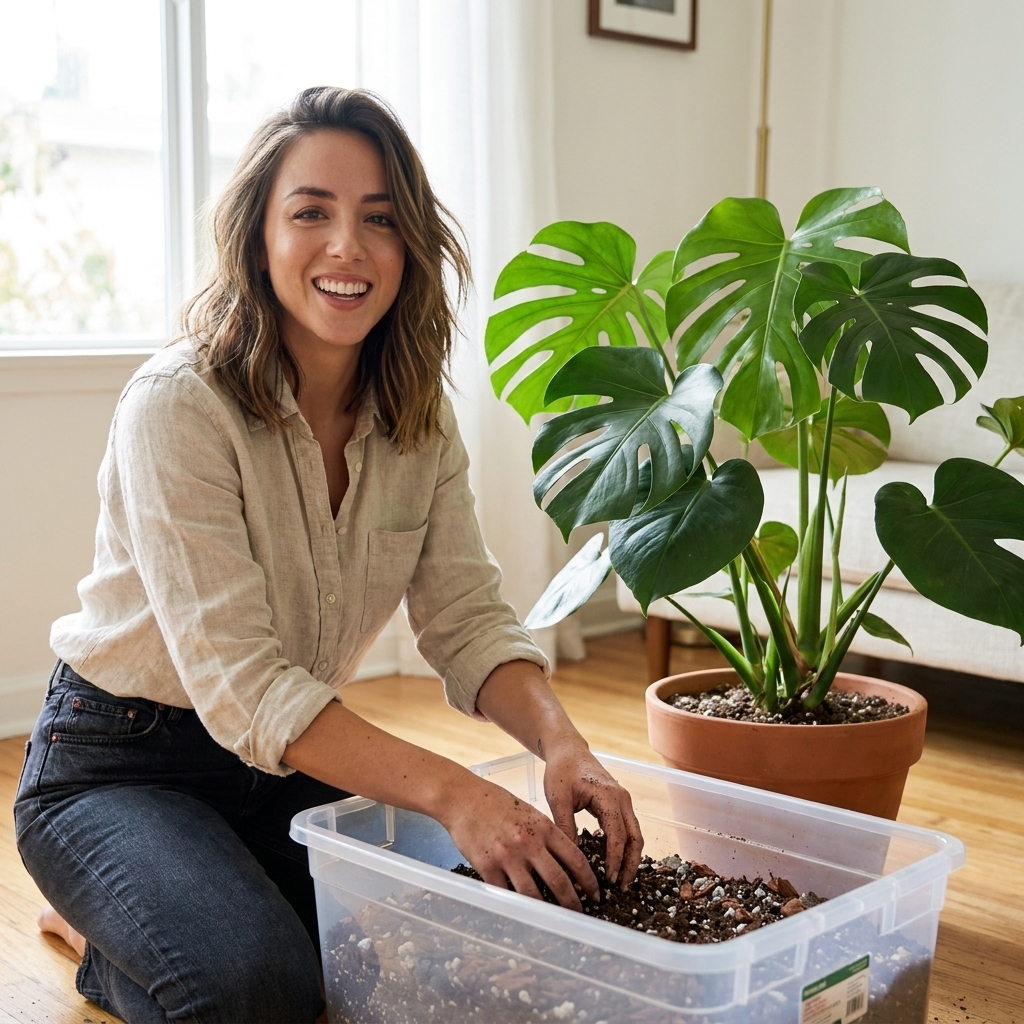
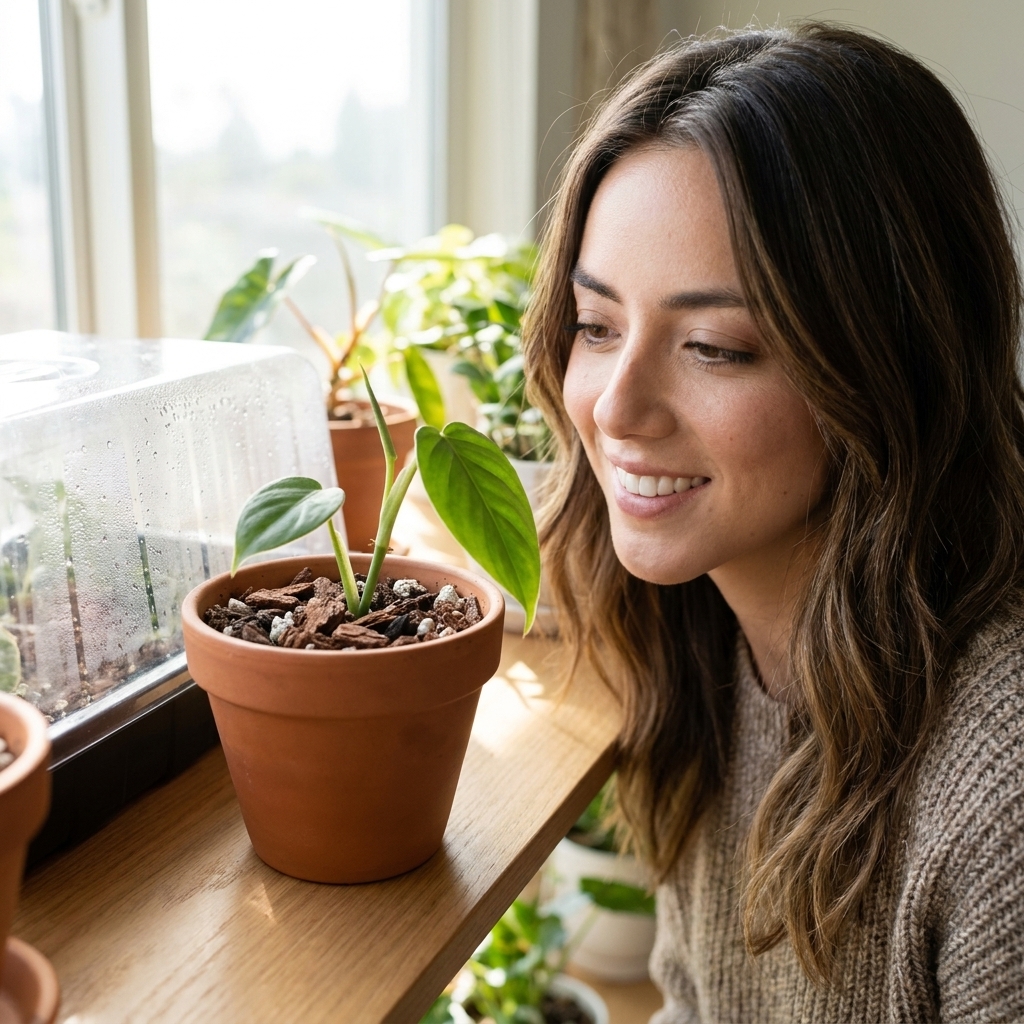
“Soil propagation” is often shorthand for rooting in a potting mix, but the best results usually come from a light, airy propagation mix, not dense standard soil. Think: potting mix cut with perlite, orchid bark, or coco coir to keep oxygen around the stem.
Pros
- Smoother long-term growth: roots form in the medium they will keep living in.
- Less transition stress: no major switch from water-grown conditions to soil-grown conditions.
- Lower rot risk for some plants: especially when the mix is airy and you water correctly.
- Easy to scale: you can propagate many cuttings at once in small pots or trays.
Cons
- Harder to read the cutting: you cannot see root progress.
- Overwatering is common: especially if you use a pot that is too large or a mix that stays wet.
- Humidity may be needed: some cuttings root best with a loose cover (like a clear bag) to reduce moisture loss.
Typical success rate
Soil propagation can feel slower because you cannot see the roots. But with a chunky mix, warmth, and stable moisture, many houseplants have excellent survival after rooting because there is no big transition moment.
Key differences
1) Root adaptation and potting-up
The whole “water roots vs. soil roots” conversation gets oversimplified online. The more useful way to think about it is this: roots develop in response to their environment, including the oxygen and moisture balance.
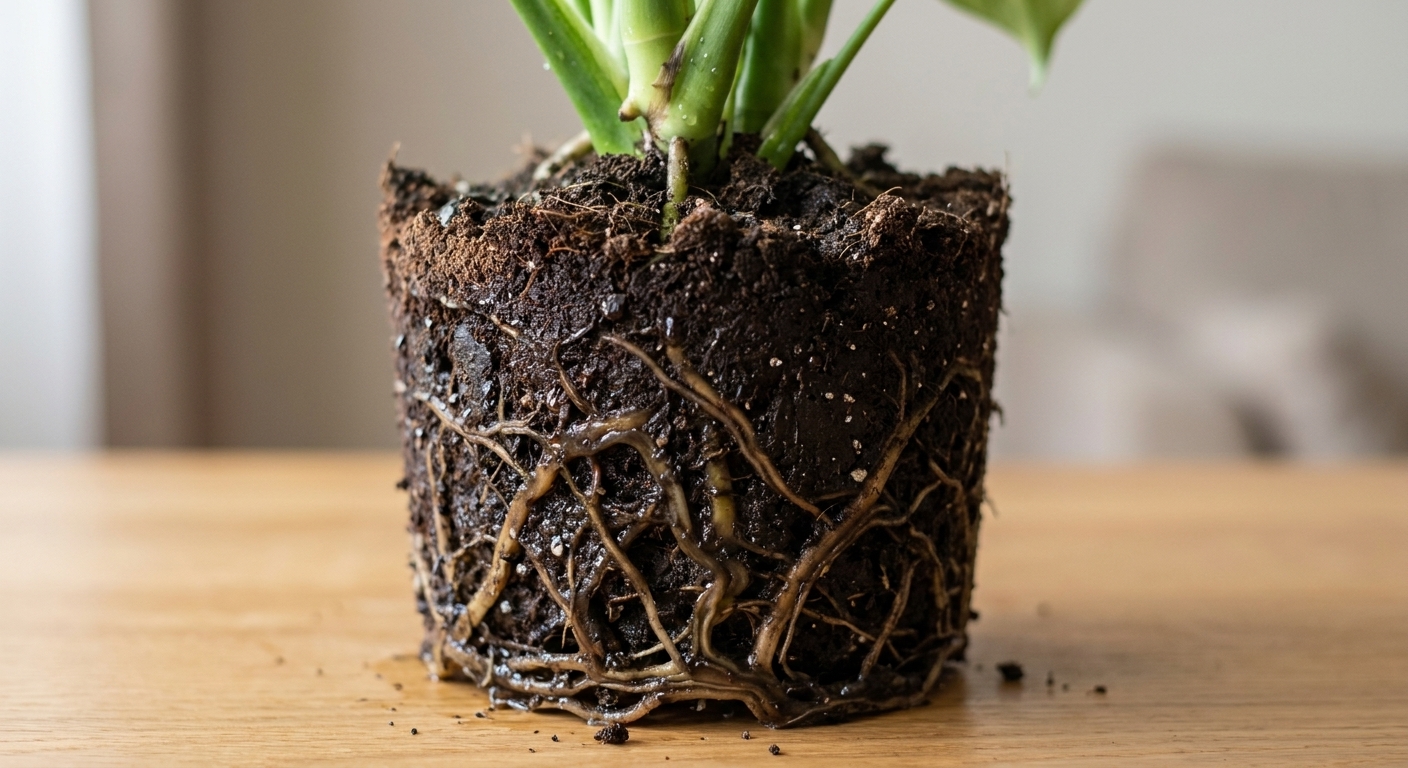
When a cutting roots in water, it is used to constant moisture and high availability of water. When you move it into potting mix, the environment changes fast, especially if the mix dries unevenly or the cutting is planted too deep. That adjustment period is where some cuttings stall or decline.
When a cutting roots in an airy potting mix, the roots are already adapted to that air-and-water balance, which is why soil propagation can feel steadier long-term.
2) Rot risk
Rot happens when tissue stays wet without enough oxygen and opportunistic microbes move in. Both methods can rot cuttings, just in different ways:
- Water propagation rot usually comes from stagnant water, dirty containers, leaves sitting underwater, too much stem submerged, or low light and cool temperatures.
- Soil propagation rot usually comes from dense mix, oversized pots, watering too often, poor drainage, or cold conditions.
3) Effort level
Water propagation is “simple” up front, but it rewards consistent checking and a smart potting-up strategy. Soil propagation is less exciting to watch, but it can be more hands-off once your moisture level is dialed in.
Best plants for each method
Usually great in water (node cuttings)
- Pothos (Epipremnum aureum)
- Heartleaf philodendron (Philodendron hederaceum)
- Monstera adansonii and deliciosa (node cuttings)
- Syngonium (arrowhead plant)
- Tradescantia
- Spider plant babies (plantlets)
Often great in soil (or airy mix) from the start
- Hoya (can root in water, but many do best long-term in an airy mix)
- Peperomia (leaf and stem cuttings often thrive in lightly moist mix)
- Succulents and cacti (almost always dry, airy medium after callusing)
- Many woody stems (often happier with stable moisture, warmth, and humidity than a jar on a windowsill)
Where ficus elastica fits
Rubber plant (Ficus elastica) cuttings can work in either water or soil. For this one, warmth, clean cuts, and patience matter more than the medium. If you are rot-prone, an airy potting mix can be easier to keep stable. If you like monitoring progress, water can be fine as long as you keep it clean and do not let leaves sit in the waterline.
A note on prayer plants
Most Calatheas, Marantas, and Stromanthes are not “cutting propagation” plants. They are typically propagated by division. If someone tells you to root a single leaf cutting in water, I want you to save your energy for a method that matches the plant.
Water propagation steps
What you need
- Clean scissors or pruners (a quick wipe with isopropyl alcohol helps)
- A clean jar or glass
- Room temperature water
- Strong, indirect light and warmth
Steps
- Take a cutting with a node. For pothos, philodendron, and monstera, a node is non-negotiable. It is the little bump or joint where a leaf and aerial root (or leaf scar) emerges. No node, no roots.
- Remove leaves that would sit underwater. Submerged leaves rot fast and foul the water.
- Keep only what needs to be underwater. Submerge the node, but avoid dunking extra stem if you do not have to. Less submerged tissue usually means less rot risk.
- Place it in strong, indirect light. Low light equals slow roots and higher rot risk.
- Refresh the water regularly. If it looks cloudy or smells off, rinse the container and refill. Topping off is fine between refreshes.
When to move to soil
Move your cutting when it has several roots, typically around 5 to 10 cm (2 to 4 inches) long, and ideally some branching. That timing is species-dependent, so use this as a guideline, not a law. If you wait until you have a giant tangle of water roots, the transition can be harder, not easier.
Optional but helpful: if you struggle with slimy water or slow rooting, an occasional full water change and a clean vessel often helps more than daily fussing. Some people also use a small air stone to keep water oxygenated, but it is not required for most cuttings.
Soil propagation steps
What you need
- A small pot with drainage holes
- An airy mix (potting mix plus perlite, or a chunky aroid mix)
- A clear bag or dome (optional, but helpful)
- Strong, indirect light and warmth
Steps
- Choose a small container. Big pots stay wet too long, which invites rot.
- Use a light mix. Air is your best friend during rooting.
- Plant the node at the right depth. Bury the node lightly and keep leaves above the mix.
- Water once thoroughly, then pause. You want evenly moist, not soggy. Water again when the top 1 to 2 cm (about half an inch) feels dry.
- Add humidity if the cutting wilts. A loose clear bag can reduce stress while roots form. Vent it daily to prevent mold.
How to check rooting
After a couple weeks, give the cutting a very gentle tug. If you feel resistance, roots are forming. No need to unearth it and break those tender new roots.
My favorite hybrid method
If you love watching roots but hate the transition drama, here is the middle path that works well for many aroids:
- Root in water until you have a small cluster of roots.
- Pot into a very airy mix and keep it slightly more evenly moist than you would for an established plant for the first 2 to 3 weeks.
- Keep the plant in stable light and temperature and avoid direct sun while it adjusts.
Think of it like physical therapy for roots. We are helping them learn a new environment without shocking them.
Other media worth trying
If “water vs. soil” feels too limiting, you are not wrong. Plenty of people root cuttings in other setups that are basically about balancing moisture with oxygen:
- Perlite: airy, beginner-friendly, and great for reducing rot when kept lightly moist.
- Sphagnum moss: holds moisture well, often useful for nodes that like humidity, but it can stay too wet if packed tightly.
- LECA or semi-hydro: popular for some aroids, but the learning curve is higher because you are managing water levels and nutrients.
The best medium is the one you can keep consistently moist, oxygenated, and clean.
Troubleshooting
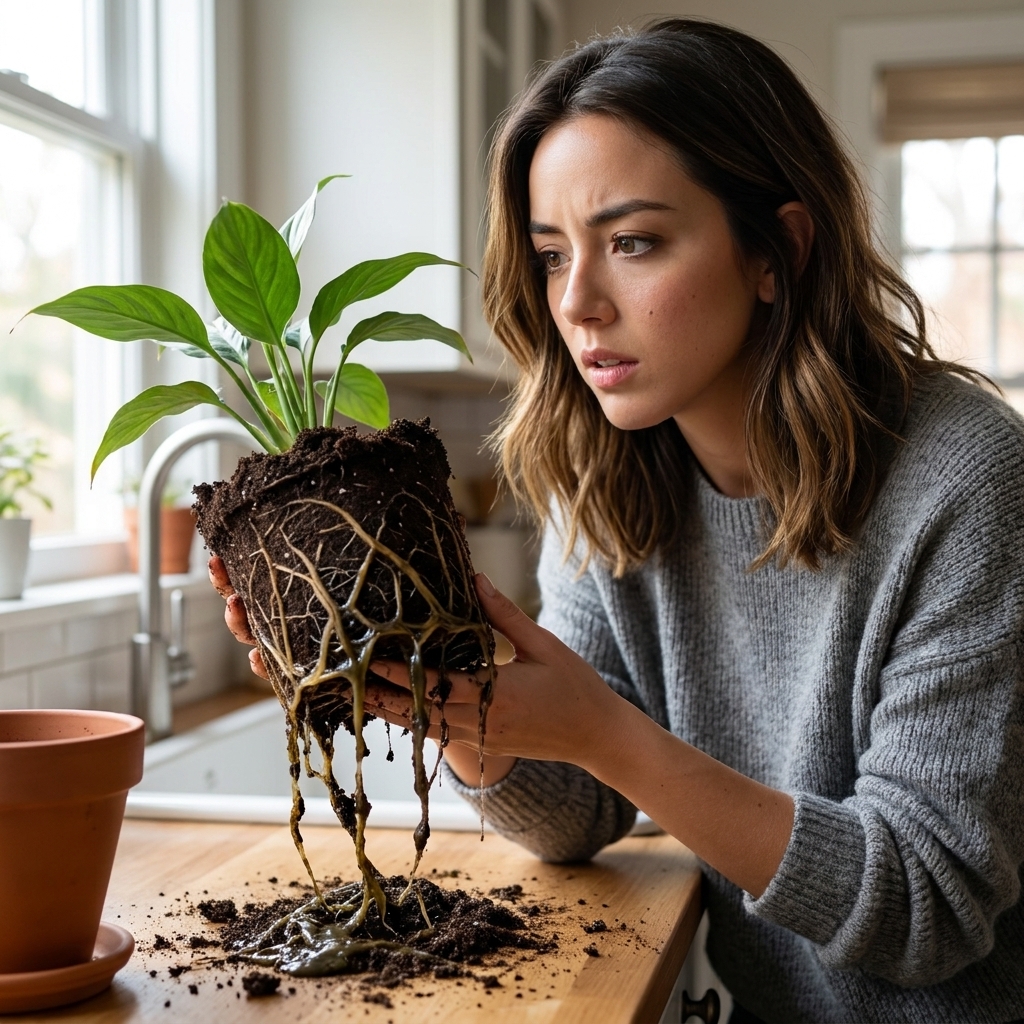
If your cutting turns mushy
- Remove it immediately, trim back to healthy firm tissue, and restart in fresh water or fresh mix.
- In water: make sure no leaves are underwater and reduce how much stem is submerged.
- In soil: switch to a chunkier mix, use a smaller pot, and water less often.
- Improve warmth and light. Cold, dim conditions slow rooting and encourage rot.
If roots form but nothing grows
- Check for a viable growth point. Some cuttings root but lack the bud needed for new vines or leaves.
- Increase light gradually. Rooted does not automatically mean ready for low light.
- Feed lightly only after active growth begins, especially in soil.
If the cutting wilts in soil
- Add humidity support (a loose clear bag) and keep the mix lightly moist.
- Reduce leaf load by removing one leaf if the cutting is struggling to keep up with water loss.
FAQ
Is water or soil faster?
Water often looks faster because you see roots as soon as they appear. Soil can be just as fast, but it is happening out of sight. For fast-rooting aroids, water commonly shows visible progress sooner.
Should I use rooting hormone?
It can help, especially for slower, woodier plants in soil. For pothos and philodendron, it is optional. If you use it, follow the label and avoid overapplying.
Can I propagate in low light?
You can, but success rates drop. Strong, indirect light is one of the biggest predictors of quick, healthy rooting. If your space is dim, a small grow light can make a noticeable difference.
Do I need to change the water every day?
No. Daily changes are usually unnecessary. Refresh when it turns cloudy, smells off, or about weekly as a general habit. Keeping the container clean matters more than obsessively swapping water.
The bottom line
Water propagation is fantastic for visibility and quick wins, especially with node-propagated houseplants like pothos and philodendrons. Soil propagation can produce sturdier, soil-ready roots and lead to smoother long-term growth when moisture and airflow are balanced.
If you are unsure, start with one cutting in water and one in soil. Propagation is a skill, not a personality trait. And I promise, you are not cursed. You are just learning what your plants have been trying to tell you.