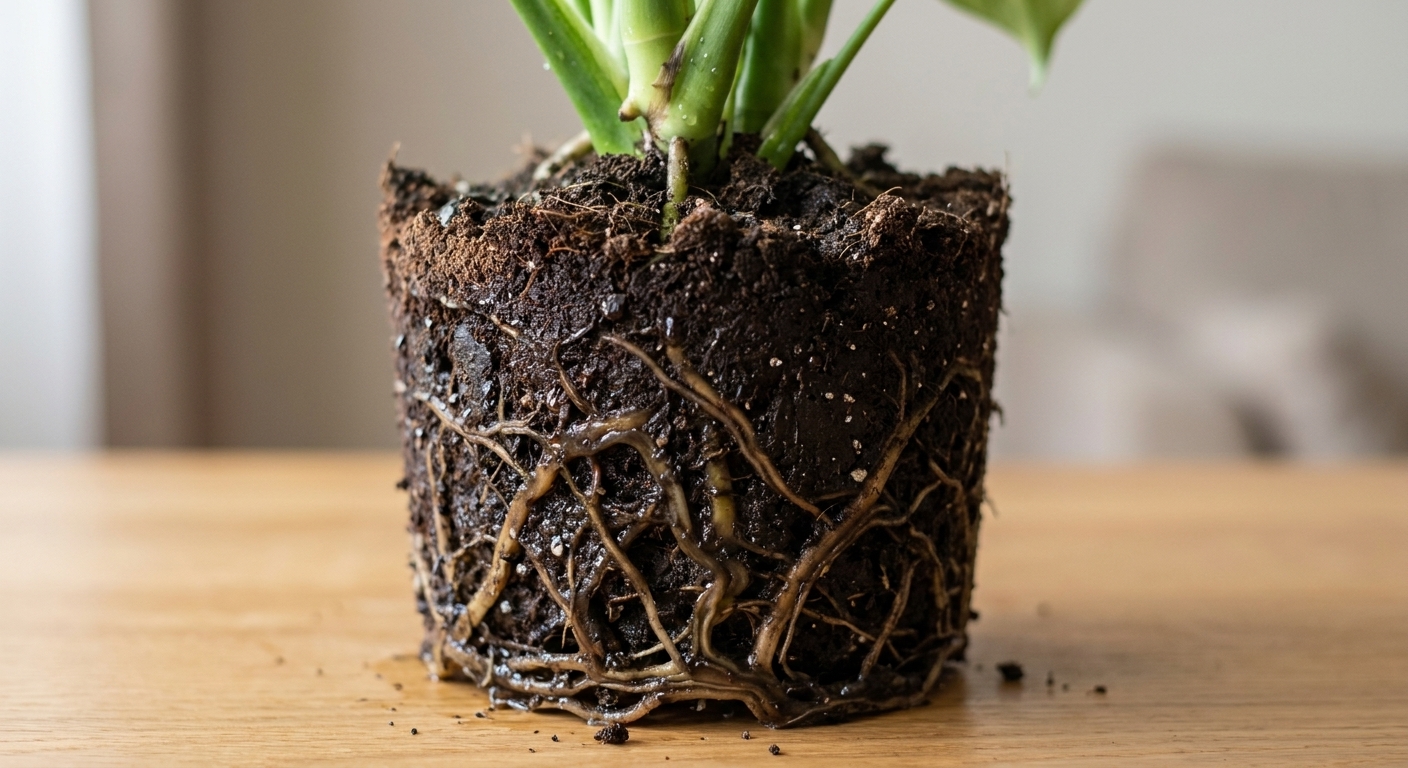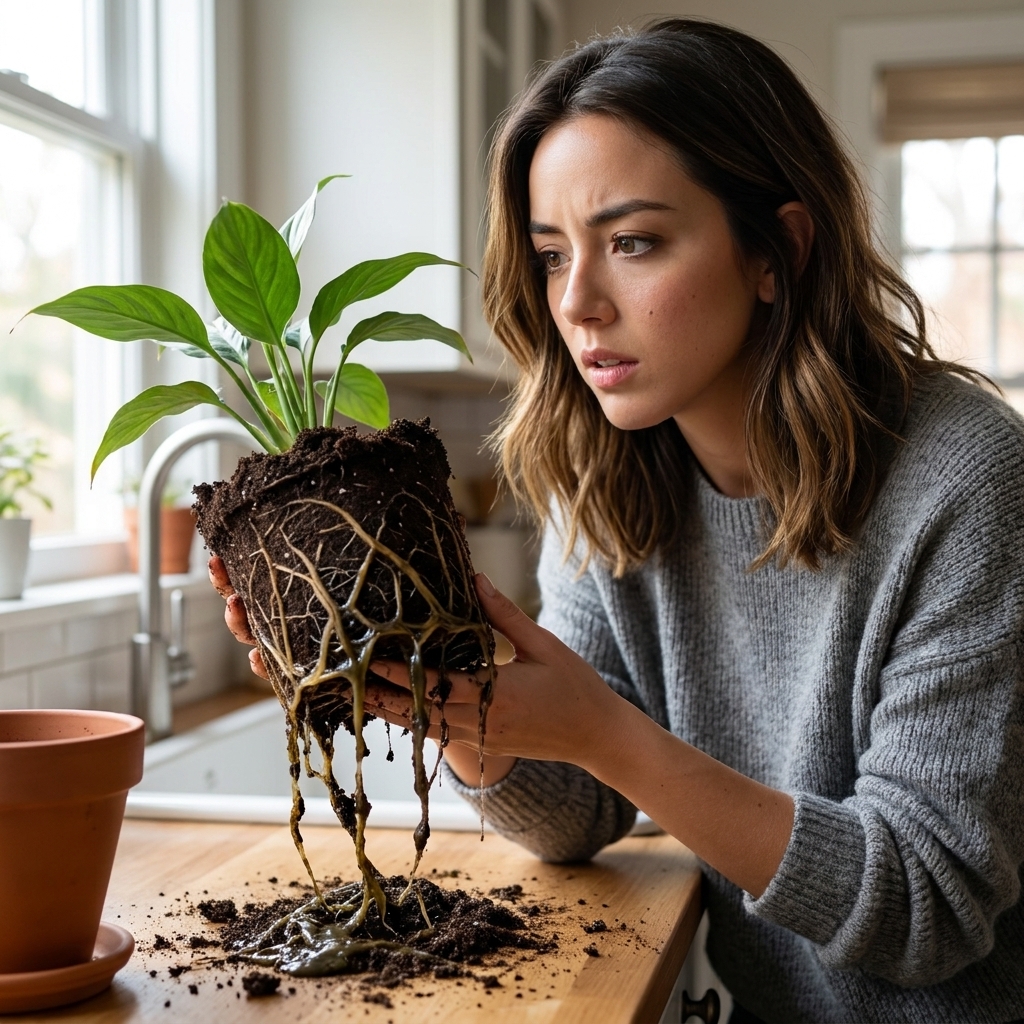
Spot root rot early, remove damaged roots, repot the right way, and prevent it from coming back with smarter watering, better drainage, and healthier soil.
If you have ever pulled a Monstera from its pot and found a sad, soggy root ball, you already understand why “chunky” soil is such a game changer for aroids and tropical houseplants. These plants want air around their roots just as much as they want moisture. A chunky mix creates pockets of oxygen, drains quickly, and still holds enough water for steady growth.
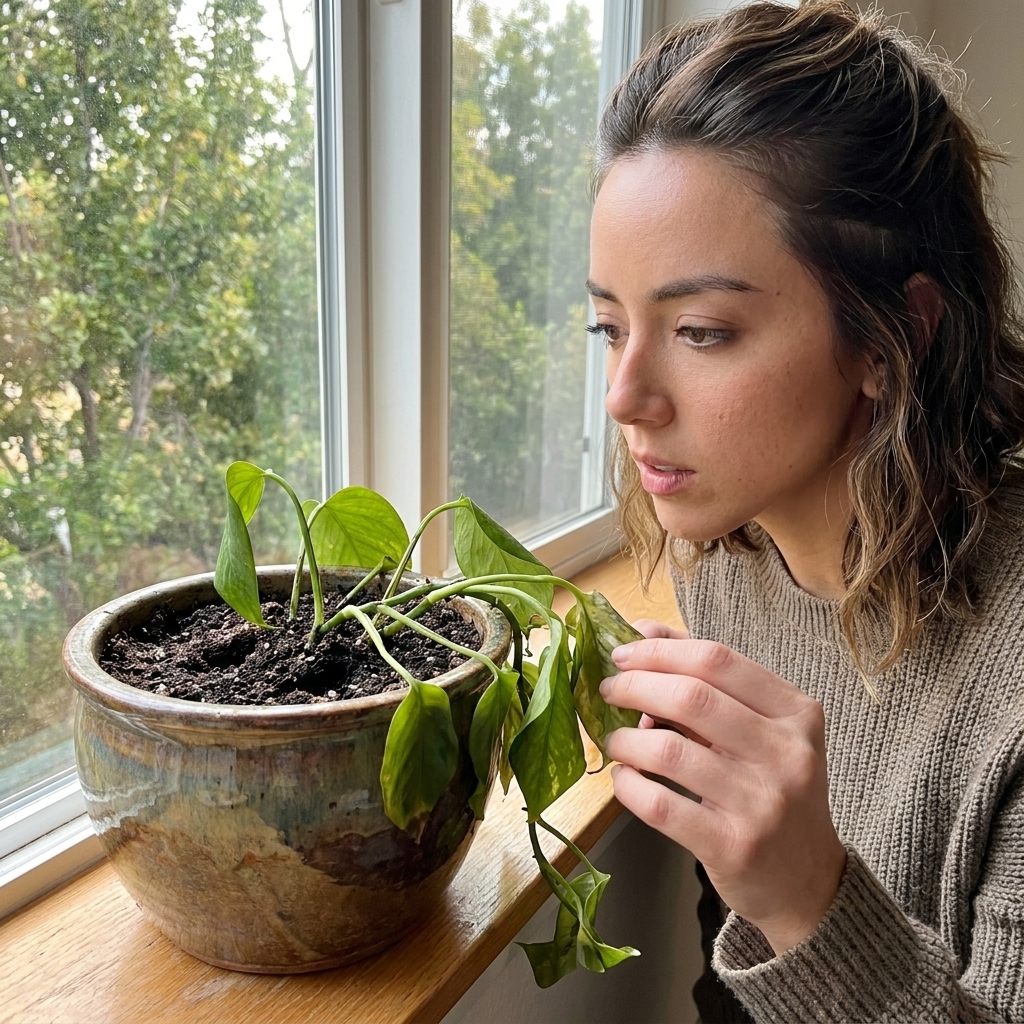
I learned this the hard way after I “loved” my first plants to death with too much water. The fix was not shame, it was better structure in the pot. Below are five DIY recipes you can mix at home, plus the swaps and troubleshooting tips that make them work in real apartments with real lighting.
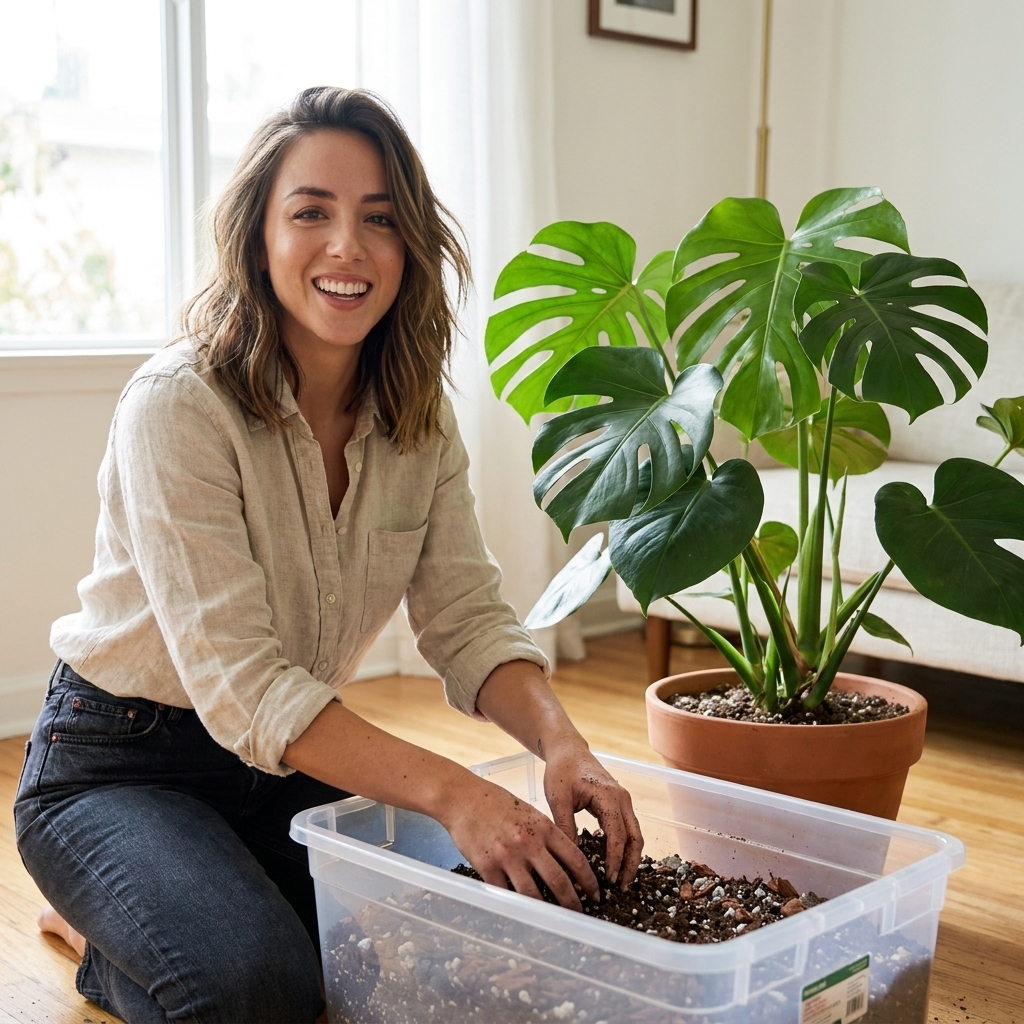
Before you mix: what “chunky” means
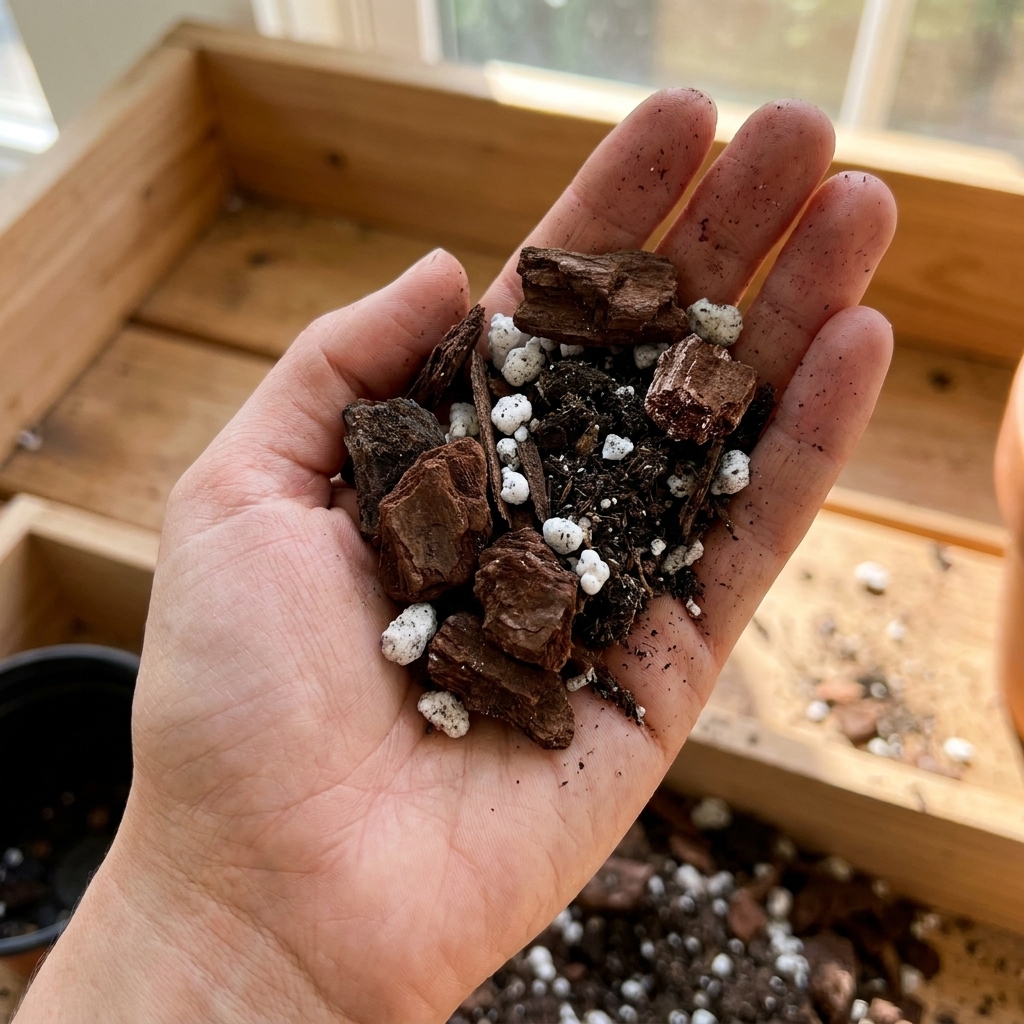
Chunky soil is not just bark sprinkled on top. It is a blend of particle sizes that creates a sturdy scaffold for roots.
- Base (fine to medium): potting soil or coco coir for moisture holding (and whatever nutrition is in your base mix)
- Chunk (medium to large): orchid bark, coco chips, or pine bark for airflow
- Mineral (gritty): coarse perlite, pumice, or horticultural lava rock for drainage and long-lasting porosity
- Moisture buffer (optional): sphagnum moss or coco chips to slow drying
- Nutrient booster (optional): worm castings for gentle, slow support
- Structure and odor helper (optional): horticultural charcoal in small amounts if you like it
My quick ratio rule: for most aroids, you want the mix to look like it has “empty space” in it. If it looks like brownie batter, it is going to behave like it too.
Tools and ingredients
- Bucket, tote, or large bowl for mixing
- Measuring container (a scoop, cup, or yogurt tub is fine as long as you are consistent)
- Gloves and a dust mask if perlite dust bothers you
- Potting soil (peat-based or peat-free), orchid bark, perlite or pumice
- Optional: worm castings, coco coir, coco chips, horticultural charcoal, sphagnum moss, lava rock
Ingredient prep tip: If your bark is very dry and dusty, give it a quick rinse and let it drain. Slightly damp bark mixes more evenly and does not float as aggressively on first watering.
Quick particle size guide: aim for bark pieces roughly 1/4 to 1/2 inch (6 to 12 mm). If yours is mostly tiny bark fines, you will want extra mineral grit to keep airflow. If it is extra large, mix in some medium bark or a bit more base so the pot is not all empty gaps.
Cleanliness note: use clean pots and fresh ingredients when you can. Bags stored outside can sometimes bring along fungus gnat hitchhikers. A quick rinse and letting ingredients dry out a bit before mixing helps.
Recipe 1: Classic Aroid Mix
Great for: Monstera deliciosa, Philodendron hederaceum, Scindapsus, pothos, Syngonium, most aroids that are not extra fussy.
Mix ratio
- 2 parts potting soil
- 1 part orchid bark
- 1 part perlite or pumice
- Optional: 1/2 part worm castings (especially for heavy feeders)
Why it works
This is the “I want better drainage without overthinking it” blend. The soil holds moisture, bark creates air gaps, and perlite keeps everything from compressing.
Chloe tip
If your apartment runs humid or you tend to water too often, bump the bark up slightly (2 parts soil, 1.5 bark, 1 perlite). If you are in a very dry home, keep it at the base ratio and consider a thin top layer of bark to reduce surface evaporation.
Recipe 2: Rot Recovery Mix
Great for: any aroid recovering from overwatering or rot, plus plants living in low light where pots stay wet longer.
Mix ratio
- 1 part potting soil
- 2 parts orchid bark
- 1 part pumice (preferred) or perlite
- Optional: 1/2 part horticultural charcoal
Why it works
When roots are stressed, they need oxygen more than they need extra moisture. This mix dries faster and stays springy longer, reducing the chance of another soggy episode.
About the charcoal: it is not a magic anti-rot ingredient. If you like using it, it can help with structure and odor control in small amounts, but it is optional and product-dependent.
How to use it
- Trim mushy roots with clean scissors.
- Repot into a pot with drainage holes.
- After repotting, water once thoroughly, then wait until the pot feels noticeably lighter before watering again.
Gentle reminder: a plant in recovery often looks worse before it looks better. The goal is new root growth first, then new leaves.
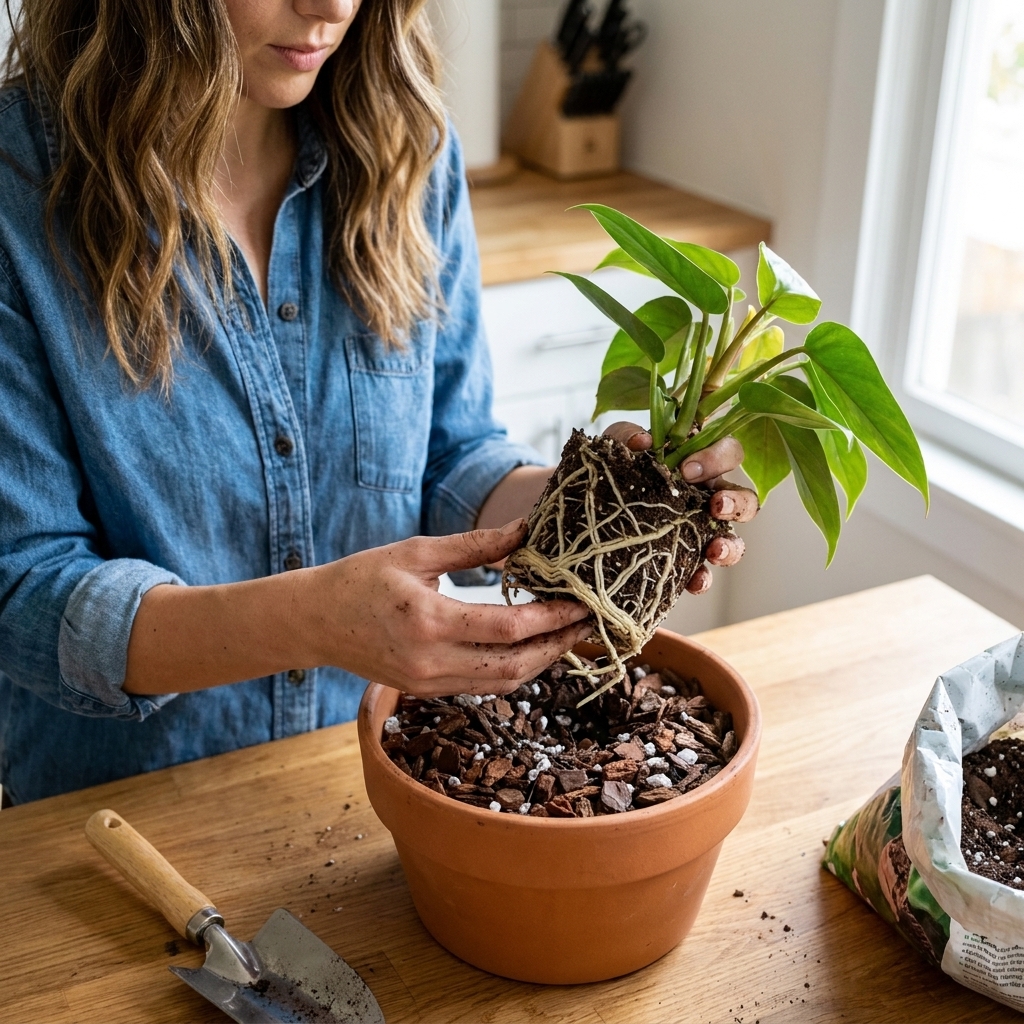
Recipe 3: Moisture-Balanced Mix
Great for: larger Monsteras, fast-growing philodendrons, alocasias that you water frequently, and plants in brighter windows that dry out quickly.
Mix ratio
- 2 parts potting soil or coco coir blend
- 1 part orchid bark
- 1 part perlite or pumice
- 1/2 part chopped sphagnum moss or coco chips
Why it works
You still get chunk and airflow, but the moss or chips act like a moisture battery. This is the recipe I reach for when a plant is healthy but constantly telling me, “Hey, I am dry again.”
Watch-outs
- In low light, skip the sphagnum and use coco chips instead, or omit the extra moisture buffer entirely.
- Do not pack moss tightly. Fluffy is the point.
Recipe 4: Climber and Pole Mix
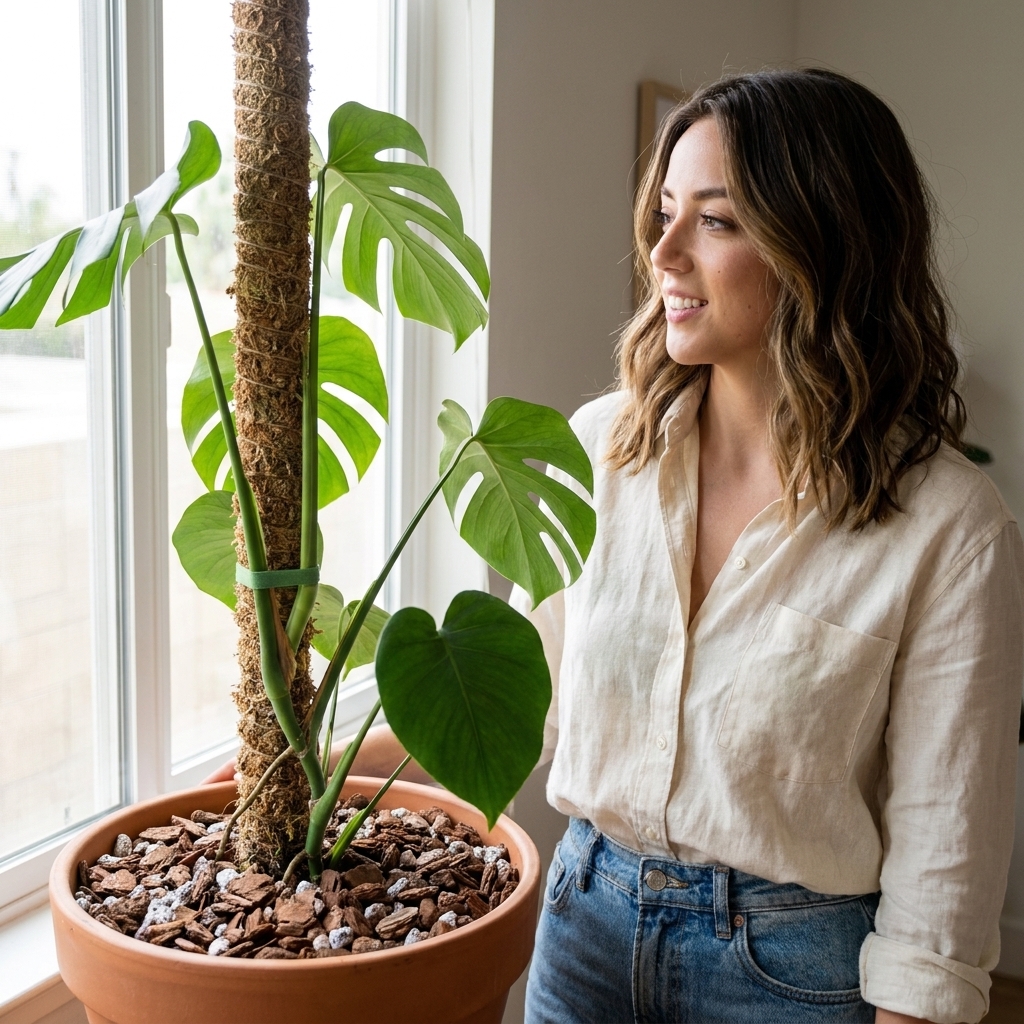
Great for: mature Monsteras, climbing philodendrons, Epipremnum on a moss pole, anything top-heavy that needs a mix that will not collapse into sludge.
Mix ratio
- 2 parts potting soil
- 2 parts orchid bark (mix of medium and large pieces if you have it)
- 1 part pumice or lava rock
- Optional: 1/2 part worm castings
Why it works
As pots get bigger, the center of the root ball can stay wet longer. Extra bark and heavier mineral grit keep structure in the pot so water moves through instead of pooling.
Chloe tip
If you use a moss pole, aim water at the pole and the soil separately. The pole can stay evenly damp while the potting mix still cycles through wet and dry.
Recipe 5: Budget Chunky Mix
Great for: new plant parents, big collections, and anyone mixing soil in a small apartment without specialty ingredients.
Mix ratio
- 3 parts potting soil
- 1 part perlite
- 1 part orchid bark
Why it works
You can find these ingredients almost anywhere, and the results are still night-and-day compared to straight potting soil. It is a solid starter mix for pothos, heartleaf philodendron, and most common tropicals.
Easy upgrade
If you can swing one extra ingredient, add 1/2 part pumice or 1/2 part worm castings. Pumice improves long-term aeration. Castings provide gentle nutrition.
Ingredient swaps
You do not need the exact same bag I use. You need the same job being done in the mix.
- Orchid bark swaps: pine bark fines, reptile-safe fir bark, coco chips (note: coco chips hold more water than bark)
- Perlite swaps: pumice (my favorite), horticultural lava rock, coarse rice hulls (break down faster)
- Potting soil swaps: peat-free indoor mix, coco coir blend (if coir-heavy, add a little extra mineral grit for airflow)
- Charcoal swaps: horticultural charcoal only. Skip BBQ charcoal or briquettes.
A quick note about “forest products” and compost: some mixes heavy in composted forest products can stay wet and compact indoors, especially in low light or larger pots. Others work beautifully when you amend them with bark and mineral grit. If your base mix looks very fine and peat-like, treat it like a base and add chunk.
Check your mix: squeeze test
After mixing, grab a handful and squeeze.
- Too wet and dense: it compacts into a tight ball that stays stuck together. Add bark and perlite.
- Too dry and fluffy: it falls apart like packing peanuts and will not hold any moisture. Add a bit more base soil or a small amount of coir.
- Just right: it lightly holds shape, then breaks apart when you poke it, with visible chunks throughout.
Potting tips
- Use a pot with drainage holes. Chunky soil cannot save a plant sitting in a reservoir of water.
- Do not upsize too much. A common rule is 1 to 2 inches wider in pot diameter, but adjust for depth and root mass. A tall pot holds more wet mix than a shallow one.
- Water thoroughly, then drain. Partial watering leaves dry pockets in chunky mixes.
- Do not press the mix down hard. Gentle tapping is enough. Compaction steals the airflow you just worked for.
- Consider pot material. Terracotta and unglazed clay dry faster. Plastic holds moisture longer. If you switch materials, your watering rhythm usually needs to change too.
Common questions
Can I use cactus soil for Monsteras and philodendrons?
Cactus soil can be a decent base, but it is usually still too fine on its own. If you use it, treat it like potting soil and add bark plus perlite or pumice for real chunk.
Do I need fertilizer if I add bark and perlite?
Yes, eventually. Bark and perlite provide structure, not nutrition. If your base mix is low in nutrients, add a small amount of worm castings or plan on a gentle fertilizer routine during active growth.
Why does my bark float to the top?
Dry bark is buoyant. Pre-moisten it, mix thoroughly, and water slowly the first time. A little floating is normal. If half your pot becomes bark on day one, your bark pieces may be too large or too dry.
How often should I repot into fresh chunky mix?
Typically every 12 to 24 months, but it depends on your plant, pot size, and how fast your mix breaks down. If your mix is staying wet longer than it used to, shrinking away from the pot edges, or turning dense and muddy, it is time.
My final nudge
If you are feeling intimidated, start with the Classic Aroid Mix. Mix a small batch, repot one plant, and observe how it dries in your home. Soil is not a personality test. It is a set of knobs you can adjust until your plant stops struggling and starts thriving.
You have not failed your plant. You are just building a better environment for its roots, one scoop at a time.