Crispy leaf tips are common and fixable. Learn what’s stressing your houseplant, including humidity, salts, and fluoride in tap water, and how to get clean...
If you have a plant that looks like it’s perpetually one dry breeze away from a meltdown, you are not imagining it. Many tropical houseplants evolved under a warm canopy where the air stays consistently humid. Our homes, especially with winter heat or summer AC, often dip into the 20 to 35 percent humidity range in many climates. That is “crispy edges” territory for ferns, Calatheas, prayer plants, and lots of aroids.
One quick note before you start chasing humidity: dry air symptoms can overlap with light and watering issues. Brown tips, curl, and stalled growth can also come from inconsistent watering, hard water buildup, drafts, or low light. Humidity is a big lever, but it is not the only one.
The good news is you do not need a greenhouse. You just need a humidity plan that matches your space and your schedule. Below are seven effective ways to raise humidity, plus exactly when each method is worth your time.
First, what humidity do tropical plants want?
Most tropical indoor plants do well in average homes, but the most humidity-sensitive types tend to look their best around 50 to 70 percent relative humidity. Plenty of popular “tropicals” (like pothos, Monstera, and many philodendrons) can be perfectly happy at 40 to 50 percent as long as light and watering are consistent.
When humidity is too low for a plant’s preferences, you will often see symptoms like:
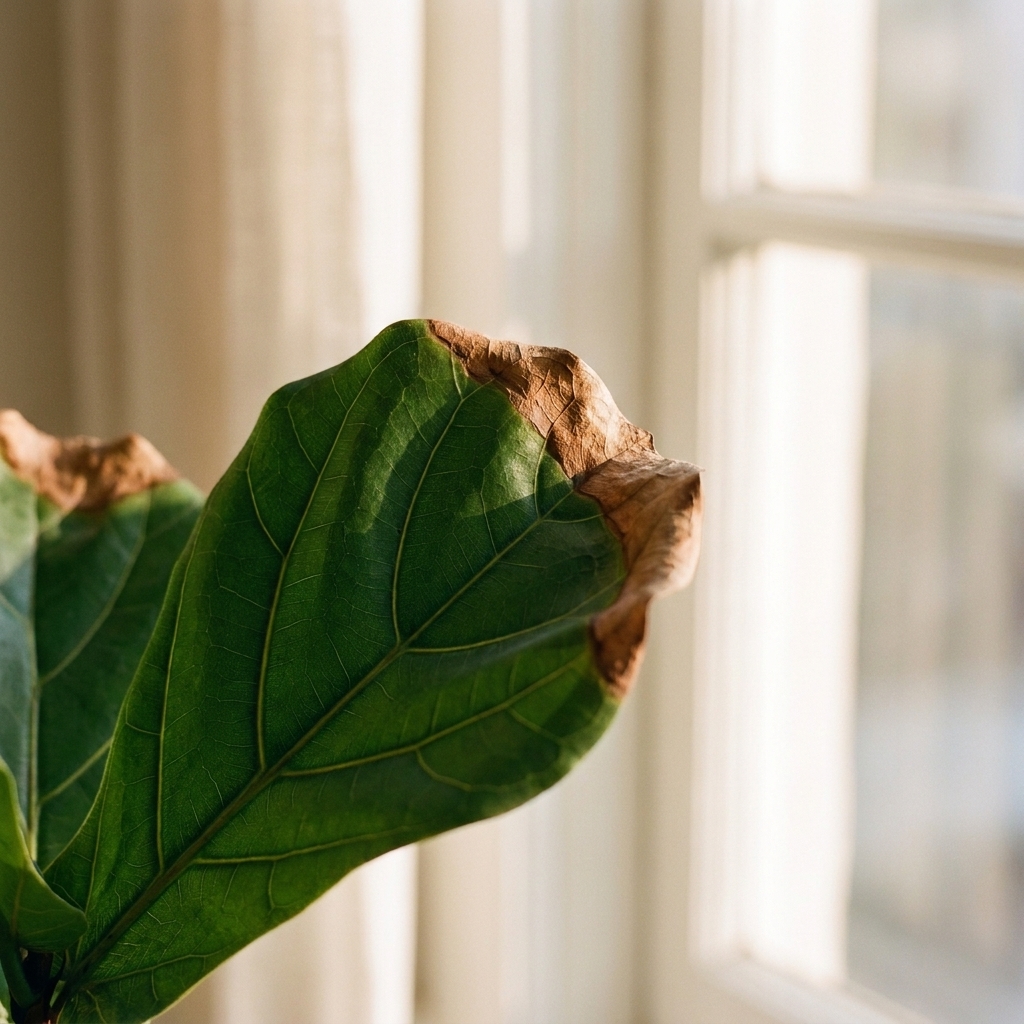
- Brown, crispy leaf edges (especially Calatheas and Marantas)
- New leaves that stall or tear while unfurling
- Leaf curl and faster-than-normal drying
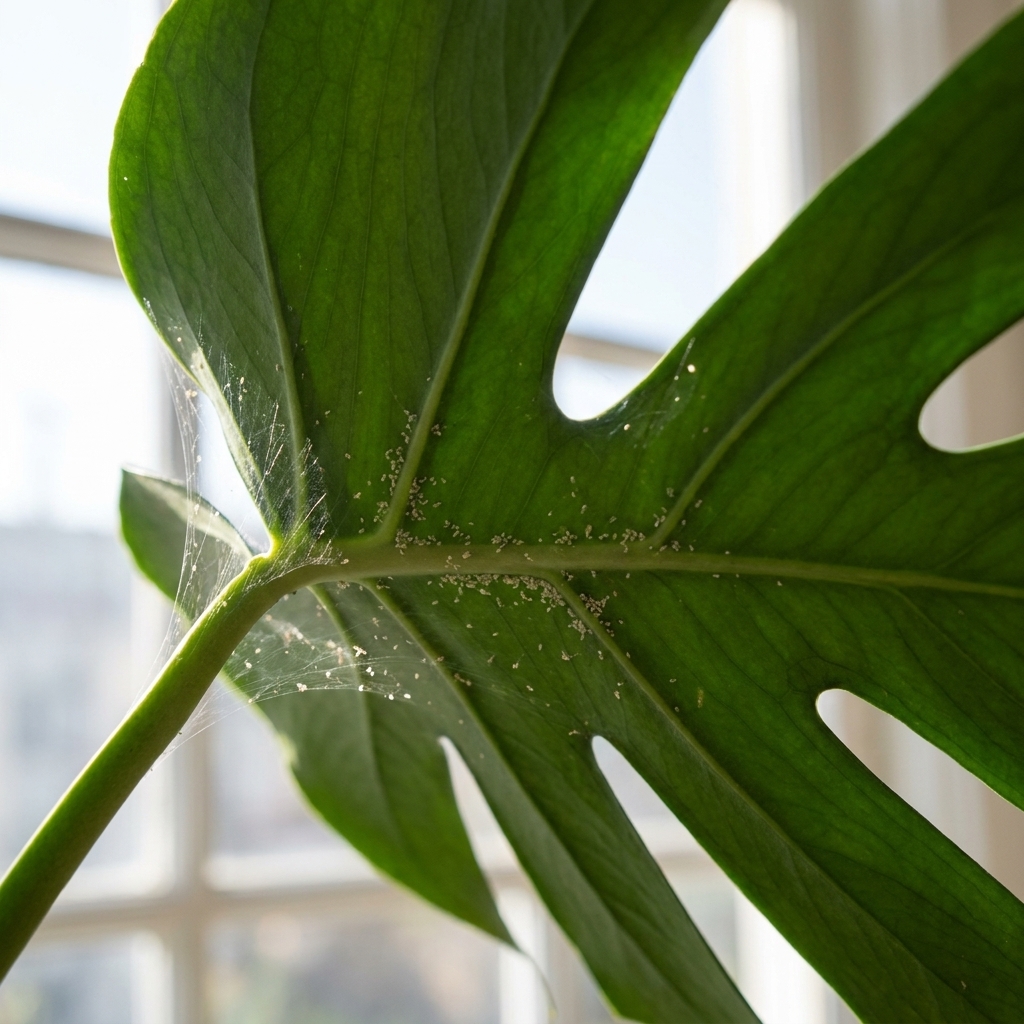
- Spider mites showing up more often (they tend to thrive in dry conditions)
If you want to get strategic, grab an inexpensive hygrometer and place it near your most sensitive plant group. A couple tips that save a lot of confusion: keep it out of the direct mist stream of a humidifier, and not pressed against a cold window or drafty vent, because humidity can vary a lot within the same room. Guessing humidity by feel is how I “loved” my first plants into oblivion in college. Data is kinder.
Home reality check: For most homes, keeping indoor humidity around 40 to 60 percent is a comfortable, building-friendly range. You can go higher in some spaces, but if you see window condensation or musty corners, dial it back.
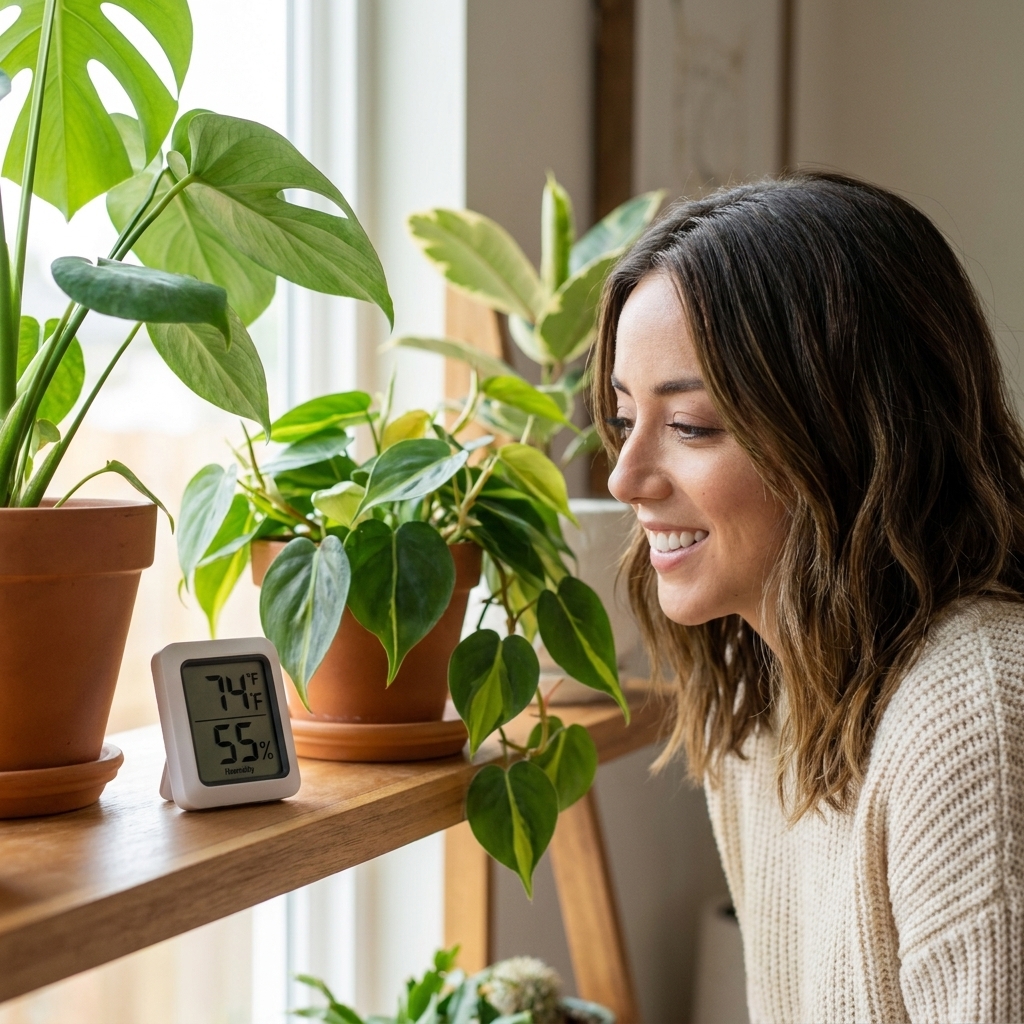
1) Use a humidifier
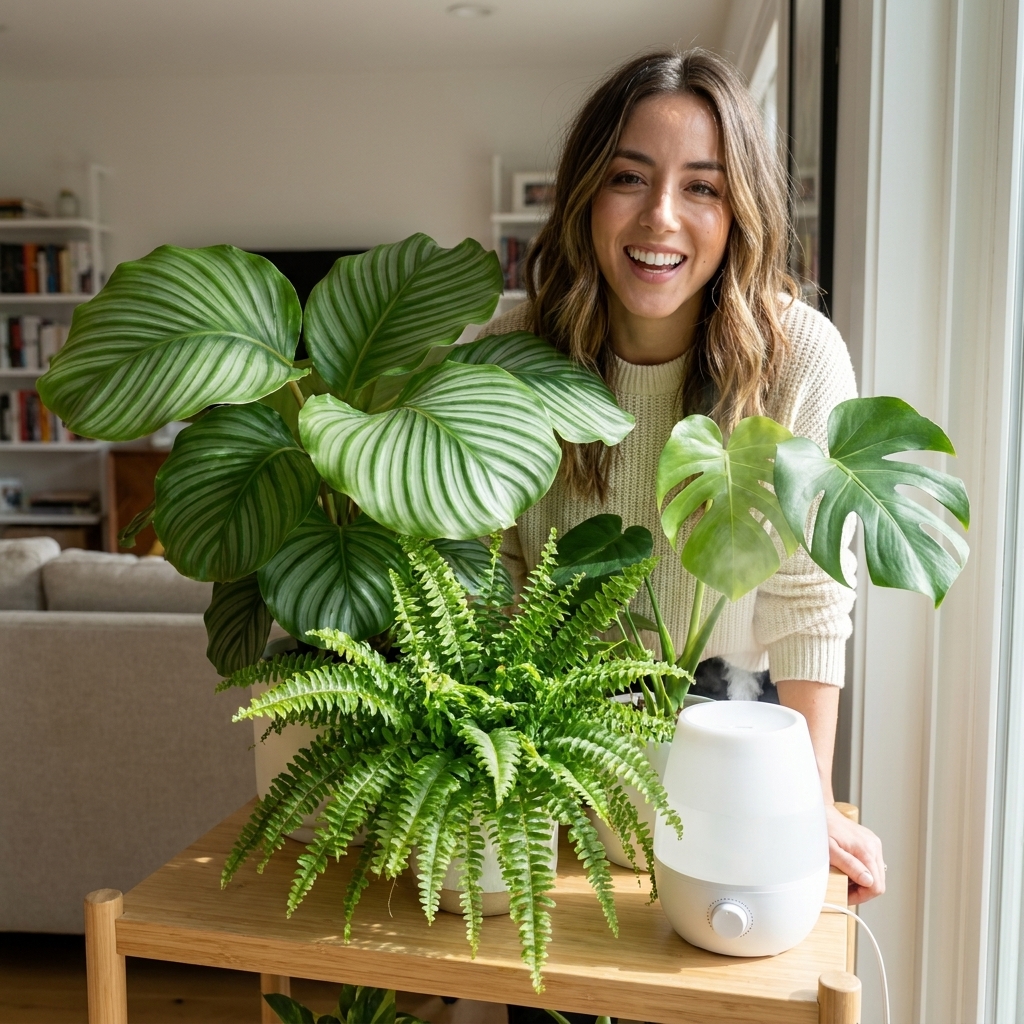
If you want predictable results, a humidifier is the clear winner. It raises humidity in a measurable way, not just right on top of the pot, and it keeps working while you do literally anything else.
Cool mist vs warm mist
- Cool mist is great for most homes and is typically more energy-friendly than warm mist units, depending on the model. It is a common choice for plant corners and bedrooms.
- Warm mist can feel cozier in winter and the heating process can reduce some microbes in the produced vapor, but it uses more electricity and the hot element is not ideal around pets and kids. It is also not a substitute for cleaning since reservoirs can still build up grime and biofilm.
How to use it without creating problems
- Aim for 50 to 60 percent in most rooms. Higher is possible, but watch windows and exterior walls for condensation.
- Place it a few feet away from plants and furniture so mist does not constantly wet leaves or floors.
- Use distilled or demineralized water if you have hard tap water, especially with ultrasonic units, to avoid white dust.
- Clean it weekly. Humidifiers can grow biofilm fast, and you do not want that floating around your plants or your lungs.
My take: If you have one “drama plant” you adore (hello, Calathea), a small humidifier near that plant is often cheaper than repeatedly replacing the plant.
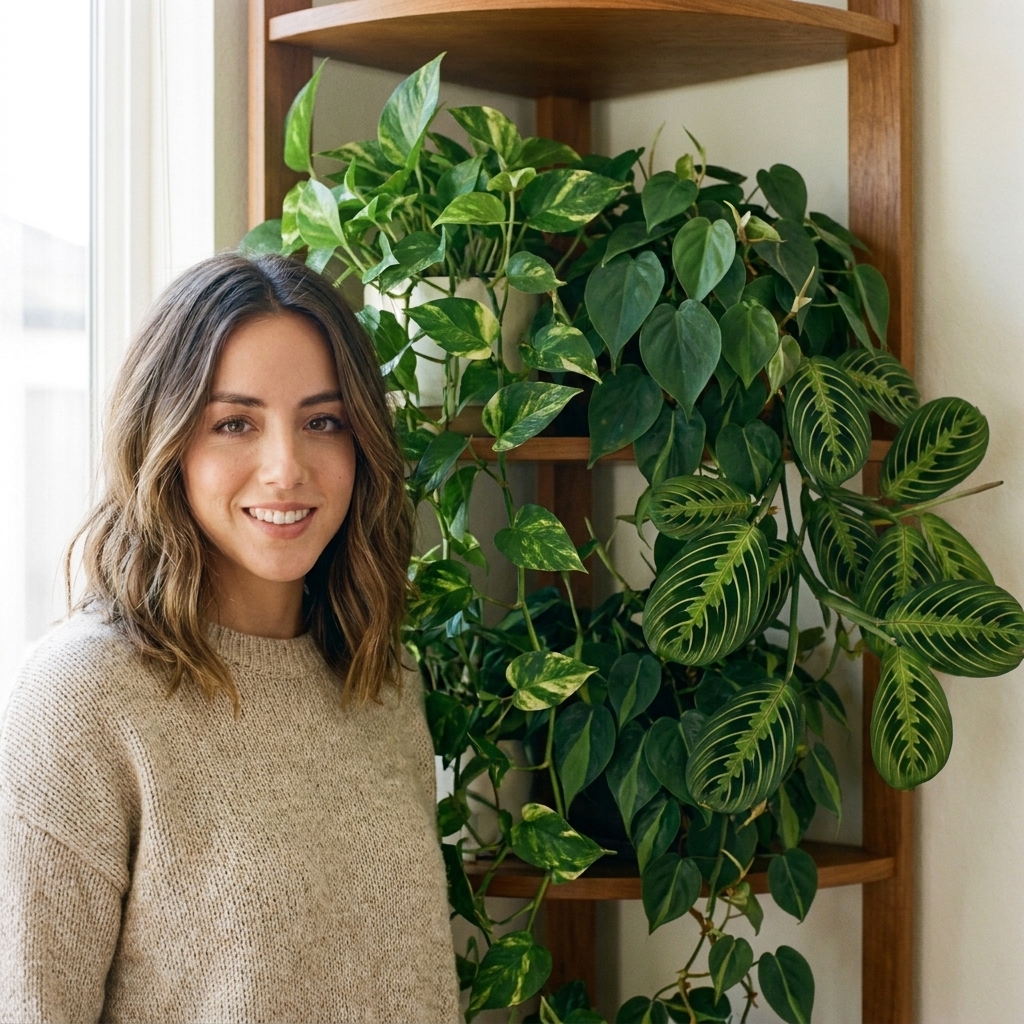
2) Group plants together
Plants naturally release moisture through transpiration. When you cluster them, they create a little humid pocket around each other. This is one of my favorite methods for apartment living because it is free and it works quietly in the background.
How to group for better humidity
- Cluster by similar needs: keep your thirstier tropicals together so your care routine stays consistent.
- Mix leaf sizes: big-leaf plants like Monstera or Philodendron can help buffer the microclimate for smaller, fussier plants.
- Leave a little airflow: plants should not be jammed leaf-to-leaf. Stagnant air plus dampness can invite fungal issues.
What to expect: Grouping will not take a room from 30 to 60 percent on its own, but it can make the difference between “crispy all the time” and “mostly fine” for many plants.
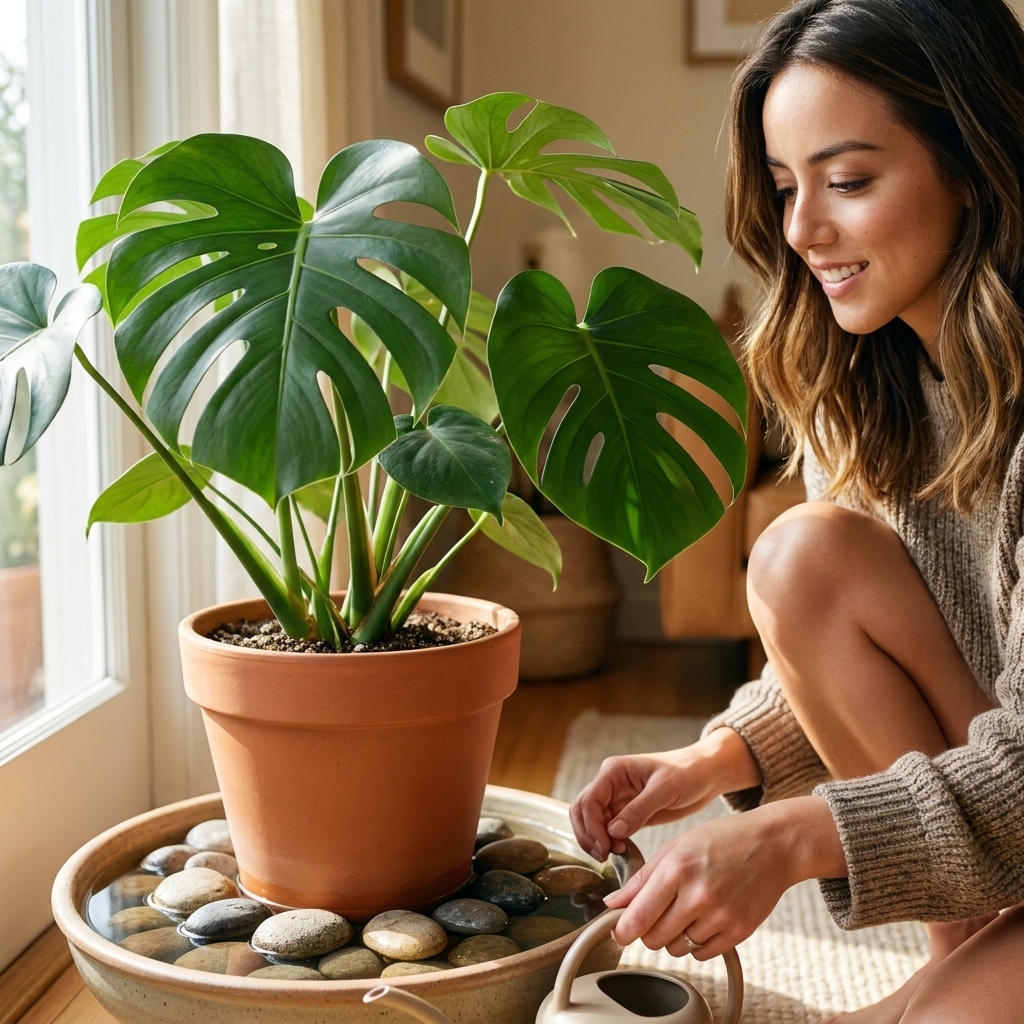
3) Make a pebble tray
Pebble trays get a mixed reputation because they do not meaningfully humidify an entire room. That is true. But they can help create a slightly more humid micro-zone right around a plant, and results are most noticeable in still, tucked-away spots (think a quiet shelf corner, not a breezy hallway). If your home air is extremely dry, consider this a supplement, not a rescue plan.
How to make one that works
- Use a tray that is wider than the pot.
- Add a layer of pebbles or LECA.
- Pour in water until it sits just below the top of the pebbles.
- Set the pot on the pebbles so the pot bottom is not sitting in water.
Best for: small ferns, nerve plants, baby prayer plants, and propagation stations.
Skip it if: you are trying to fix very dry winter air for multiple large plants. You will be refilling trays constantly and still not hit your target.
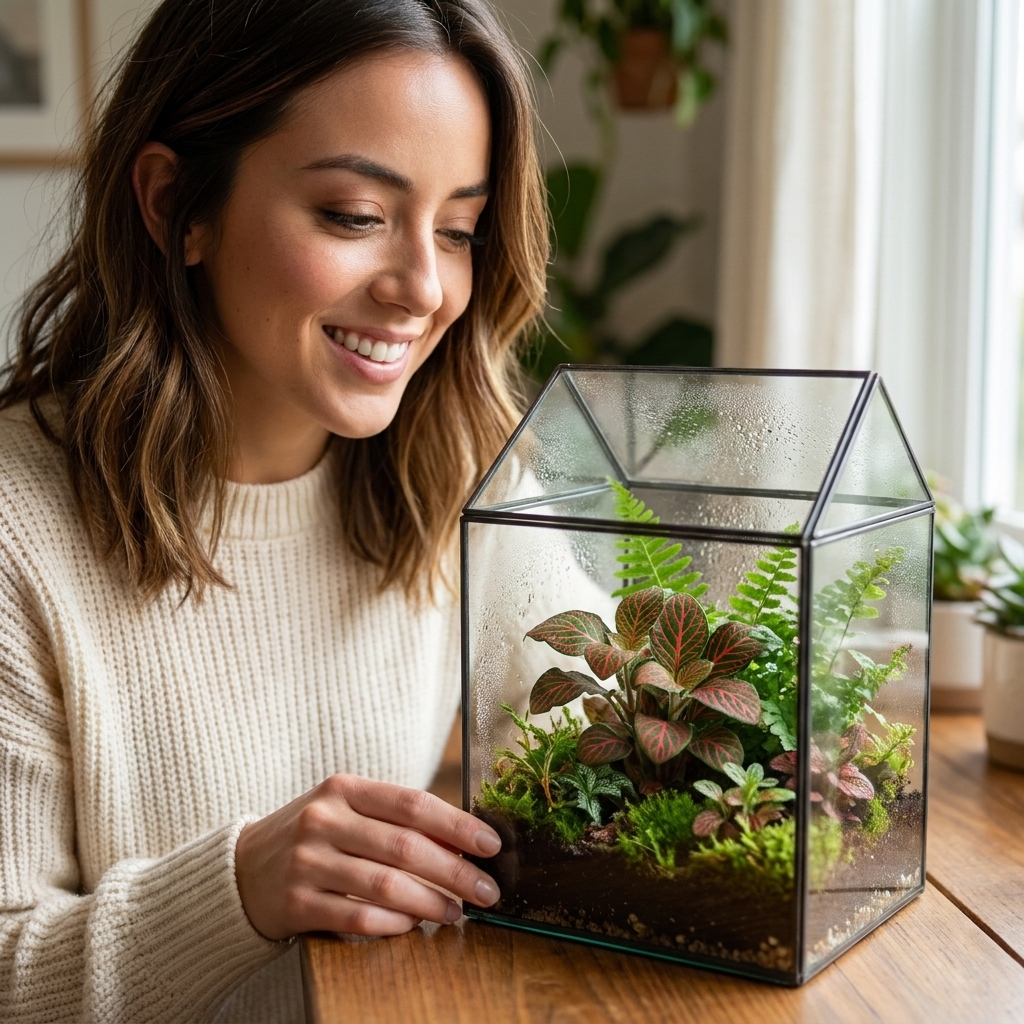
4) Try a terrarium or cloche
For the plants that truly demand higher humidity, a semi-closed setup can be magical. Think of it as giving your plant its own little climate zone.
Options that work indoors
- Glass terrariums for small plants like Fittonia and many mossy miniatures
- Clear cloches over a pot for short-term recovery
- DIY clear storage bins for rehab or rooting cuttings
Important: Closed, humid air also means less evaporation. Water less than you think, and vent occasionally to prevent mold. If you see persistent condensation, stale smells, or fuzzy growth, it needs more airflow.
Best for: Fittonia, small ferns, young anthuriums, and propagation projects that need stability.
5) Use naturally humid rooms
If you have a bathroom with a window, it can be a tropical plant’s happy place. Kitchens can work too, since cooking adds moisture to the air.
Match the room to the plant
- Light comes first: humidity will not compensate for a plant living in the dark.
- Watch temperature swings: plants do not love being blasted with cold air or hot drafts.
- Rinse-off bonus: bathrooms make it easier to periodically rinse dust and pests from leaves.
Best for: ferns, pothos, philodendrons, peace lilies, and many aroids that like steady moisture.
6) Use gentle steam habits
You can nudge humidity upward with everyday routines. This is not a replacement for a humidifier in a truly dry home, but it is a helpful add-on.
- Let a little shower steam linger for a short time if your bathroom can handle it. If you are prone to mildew or your bathroom needs the fan to stay healthy, prioritize ventilation. Plants are great, mold is not.
- Air-dry laundry indoors occasionally, away from plant leaves and with decent airflow.
- Simmer a pot of water on the stove for a short time when you are home and monitoring it.
Reality check: These methods are temporary. They work best when you are home, you can supervise, and you just need a small bump.
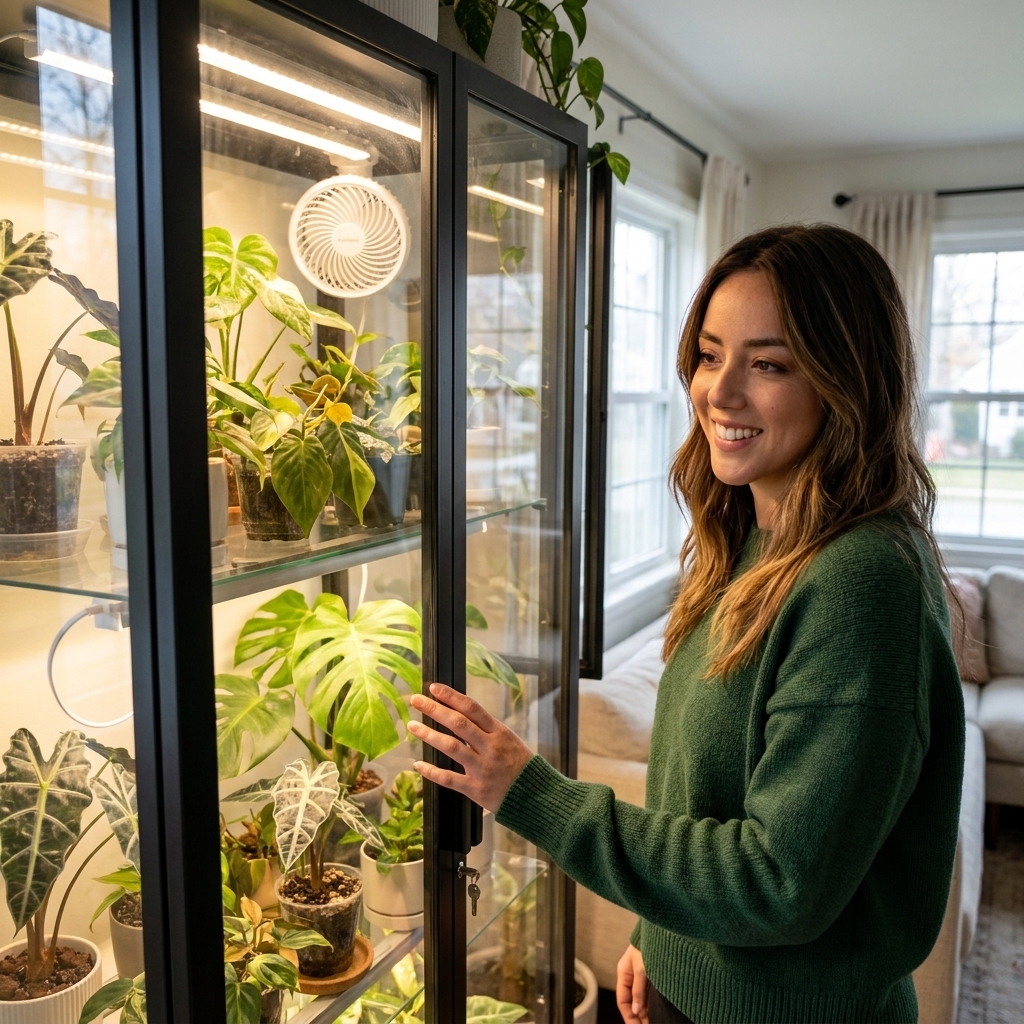
7) Use a grow tent or cabinet
If you are deep into tropicals, a dedicated enclosed space is the most efficient way to control humidity without humidifying your entire home. A small grow tent or greenhouse cabinet can hold humidity beautifully with a compact humidifier and a fan.
What makes it work
- Airflow is mandatory: add a small fan to prevent fungal issues.
- Stable light: grow lights are often needed unless it is next to a bright window.
- Less watering: higher humidity means slower drying. Adjust before root rot adjusts for you.
Best for: rare anthuriums, humidity-loving begonias, sensitive juvenile plants, and anyone tired of negotiating with winter HVAC.
Which method should you pick?
If you are deciding where to start, here is the simplest way to choose:
- Humidifier: best for reliably raising room humidity, especially in winter or AC season.
- Plant grouping: best free method for creating a more stable microclimate around several plants.
- Pebble tray: best for targeted, small-area support, especially for smaller plants or shelves.
If your goal is “my Calathea stops crisping,” I usually recommend grouping + a small humidifier. Pebble trays can be a nice extra, but they should not carry the whole job.
Mistakes to avoid
- Misting as a main strategy: A quick mist evaporates fast and rarely moves the humidity needle. Wet leaves can also invite spotting if airflow is poor. I treat misting like leaf-cleaning, not climate control.
- Overwatering to compensate for dry air: Low humidity makes plants drink faster, but it does not mean the potting mix is automatically dry. Check the soil, not your guilt.
- Ignoring airflow: Higher humidity without air movement can increase fungal problems. A small fan on low in a plant corner can be a game changer.
- Pushing humidity too high for your home: If you see window condensation, musty smells, or peeling paint, pull back and aim for a moderate range (often 40 to 60 percent for the home itself).
Quick FAQ
What humidity is too low for tropical houseplants?
Many humidity-sensitive tropicals start to show stress below 40 percent, especially thin-leaved plants like Calatheas and ferns. Tougher plants (pothos, many philodendrons) can tolerate lower humidity, but you may still see slower growth and more pest pressure.
Does putting bowls of water near plants work?
It can add a tiny amount of moisture nearby, but it is usually less effective than a pebble tray because there is less surface area. It is fine as a small supplement, not a primary fix.
Will a humidifier cause mold in my house?
It can if you push humidity too high or run it in a poorly ventilated space. Aim for a reasonable target (often 50 to 60 percent for plant rooms, and 40 to 60 percent for many homes), watch for condensation, and keep the humidifier clean.
A gentle closing reminder
If your plant is struggling, it is not a personal failure. Humidity is one of those invisible factors that can make a perfectly reasonable watering routine suddenly feel “wrong.” Start with one change you can stick with, measure the results if you can, and adjust slowly. Your tropicals are not asking for perfection. They are asking for consistency.