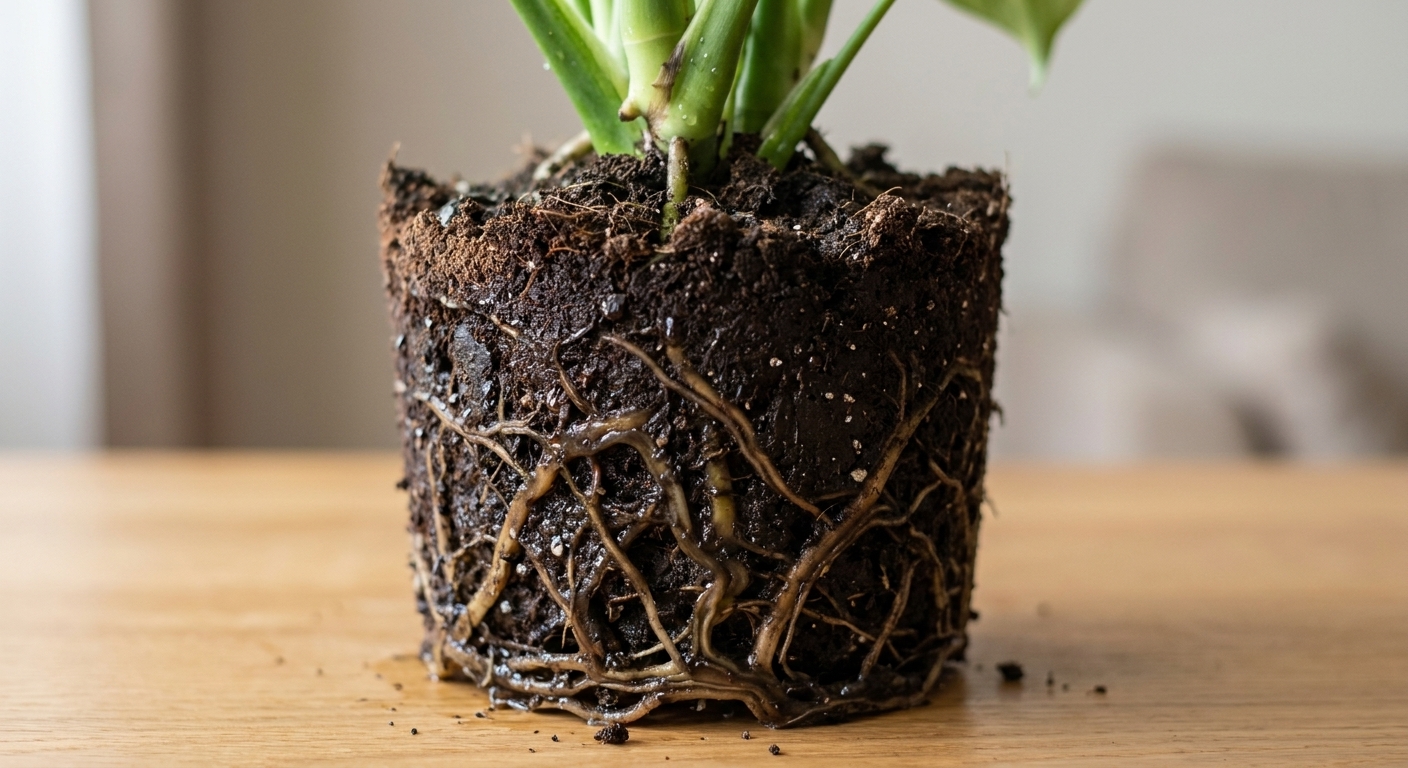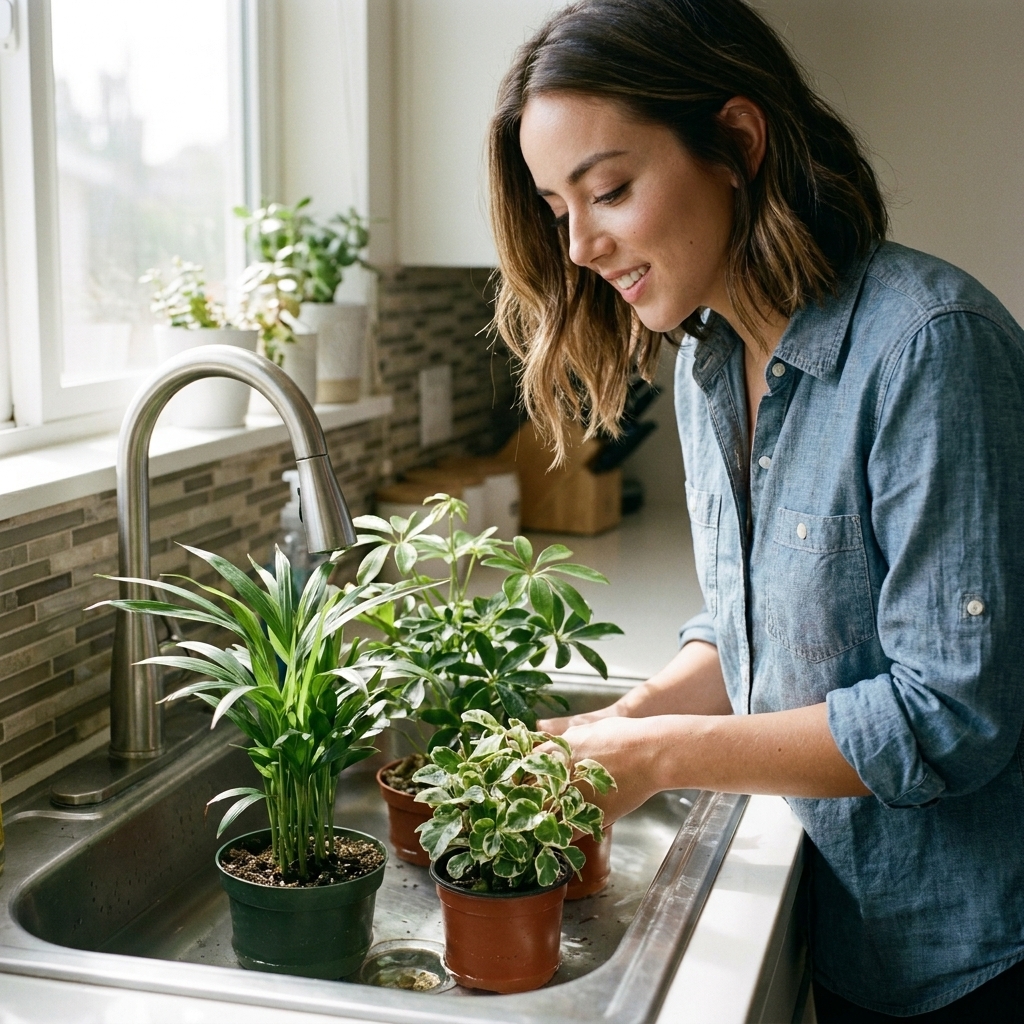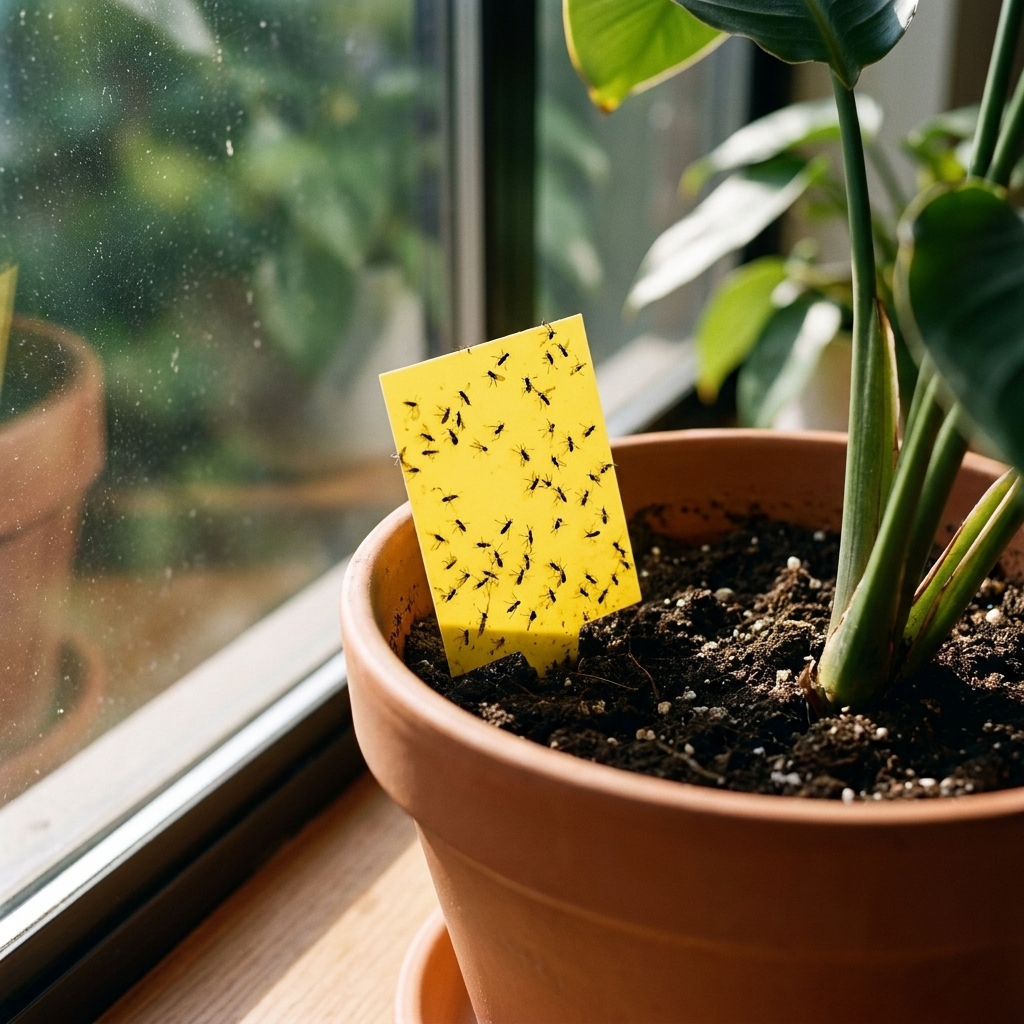
Break the fungus gnat life cycle indoors using BTI, sticky traps, and soil fixes. A realistic, plant-safe routine that actually lasts.
If you have ever leaned in to admire new growth and noticed a fuzzy white layer on the soil instead, take a breath. I know it looks alarming. The good news is that white mold on houseplant soil is usually a surface fungus feeding on damp organic matter, not your plant itself. And in most cases, you can fix it without ripping up delicate roots or reaching for harsh fungicides.
Below I will walk you through what it is, why it happens, how to remove it safely, and how to make sure it does not become a repeat guest.
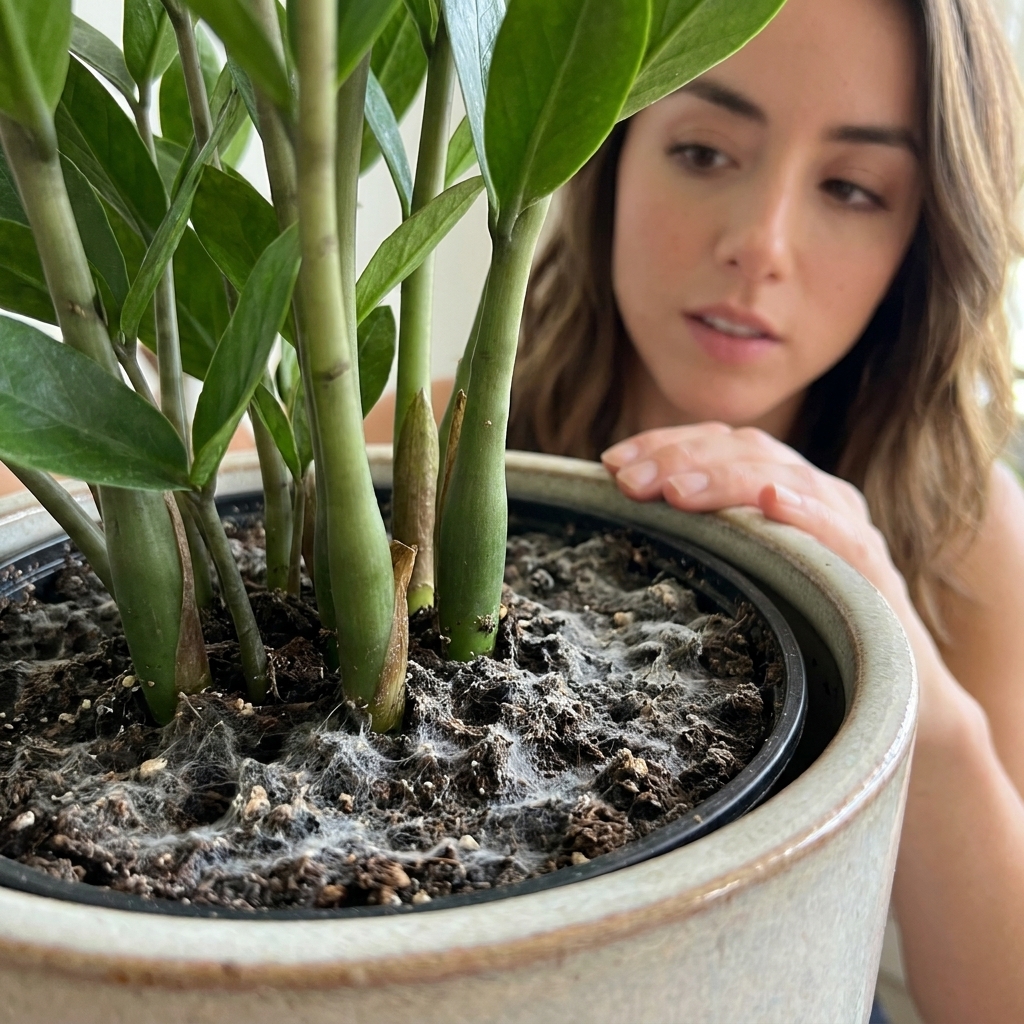
What white mold on soil is
In most homes, the white fuzzy or powdery growth on potting mix is a harmless saprophytic fungus, or mycelium from natural decomposition. That is a fancy way of saying it feeds on dead, decaying organic material like:
- peat or coco coir fibers
- bark chunks
- fallen leaves
- wood-based compost
It often shows up after a few cycles of consistently moist soil, especially in lower light where pots dry slowly. It can look like:
- soft white fuzz or cottony patches
- a thin webby layer across the soil surface
- white crusty spots that turn slightly tan as they age
Most of the time, it is more of a moisture and airflow signal than a plant emergency. That said, overly wet soil can also create conditions where plant problems start, so it is still worth addressing.
Mold vs mineral buildup
Before you treat anything, confirm what you are seeing. White residue on soil can also be mineral salts from tap water or fertilizer.
It is probably mold if
- It looks fuzzy, wispy, or web-like
- It appears in patches and spreads outward over days
- It comes back quickly after watering
- The soil smells musty or slightly sour
It is probably mineral buildup if
- It looks crusty, gritty, or like a thin chalk layer
- It collects along the rim of the pot and on the soil surface
- It does not look fuzzy
- It scrapes off like scale
If you are not sure, do the “poke test.” Use a toothpick to gently disturb the spot. Mold will often lift in soft clumps or threads. Mineral crust tends to break into gritty flakes. It is not lab-accurate, but it is a helpful home check.
Why it is growing
White mold needs two main things: moisture and food. Potting soil provides plenty of food, so the real lever you control is how wet the surface stays.
Common causes indoors
- Watering too often. Even if you do not water a lot at once, frequent top-offs keep the surface damp.
- Low light. Lower light slows down evaporation and plant water use.
- Poor airflow. Still air around the pot means the soil surface stays humid.
- Potting mix that stays dense. Old mix breaks down and holds water longer.
- Organic top dressings. Moss, leaf litter, or thick compost layers can stay wet and encourage fungus.
- Cool temperatures. Soil dries more slowly when your home is cooler.
It can also appear right after repotting because fresh mixes often include bark and compost, and the plant has not yet started using water efficiently in its new pot.
Is it harmful?
Usually, surface mold itself is not harmful. But it is a clue that conditions are consistently wet, and that can lead to the real problem: root stress and root rot. Occasionally, white growth can show up alongside other issues in overly wet media, so take it as a nudge to check your care routine.
It is usually harmless when
- Your plant looks normal and is growing
- The pot has drainage and the soil dries down between waterings
- The smell is mild and earthy, not sour or rotten
Take it more seriously if you also notice
- Yellowing leaves, sudden leaf drop, or droopy growth that does not perk up
- Black, mushy stems near the soil line
- Fungus gnats hovering around the pot
- A strong sour or rotten smell
- Soil that stays wet for a week or more
Those signs suggest an overwatering or drainage issue that is bigger than the mold on top.
How to remove it
This is the method I use at home because it is gentle on roots and works fast. You do not need heavy-duty fungicides for most cases.
Step 1: Improve airflow
If you have multiple plants close together, give the affected plant a little breathing room for a week. A small fan across the room can help, as long as it is not blasting the plant directly.
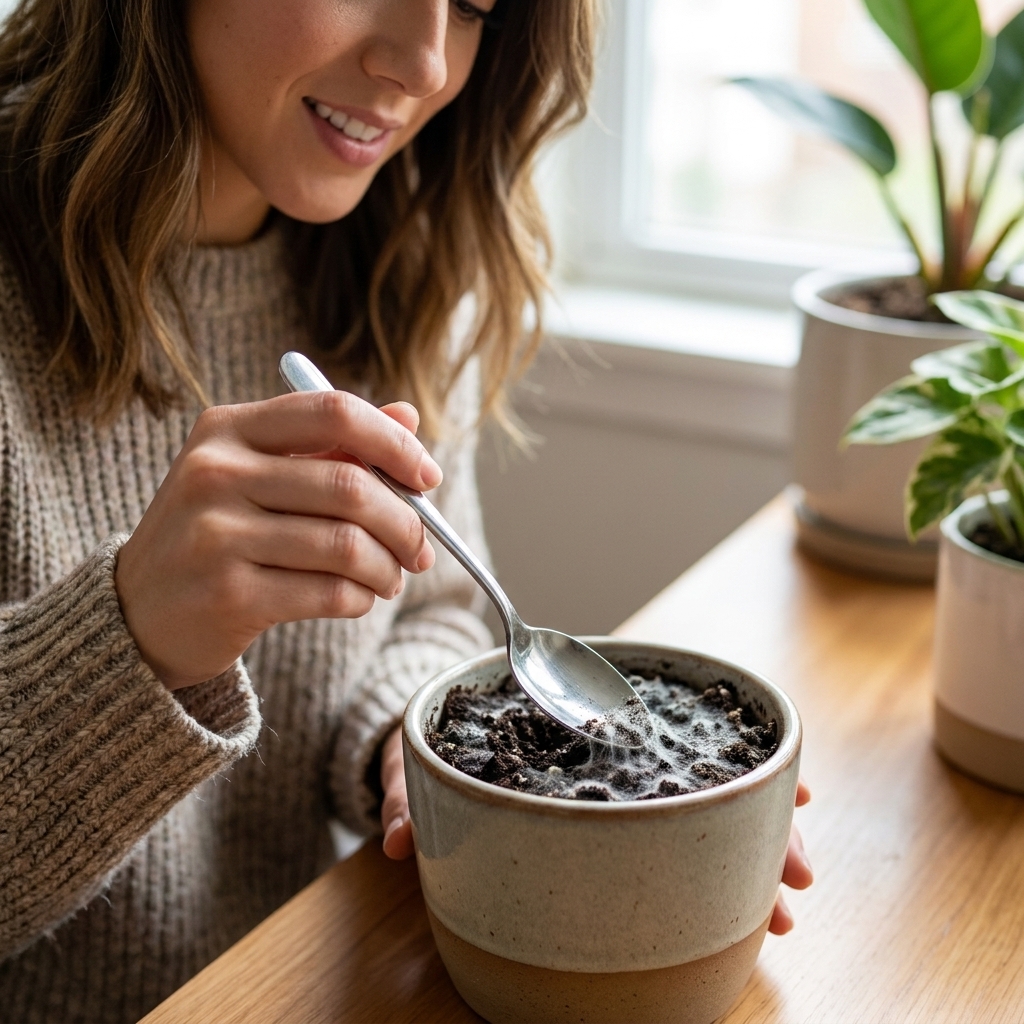
Step 2: Scoop off the top layer
Using a spoon, small trowel, or gloved hand, remove the top layer of potting mix where the mold is living.
- For small pots (4 to 6 inches): aim for about 1/2 inch to 1 inch.
- For medium to large pots: 1 to 2 inches is usually fine.
Try not to dig deep. You are skimming the surface, not excavating roots.
- Bag the removed soil and take it out of your home trash quickly.
- Wipe the rim of the pot clean since spores can cling there.
Step 3: Replace with fresh, dry mix
Top up with a dry, fresh potting mix that matches your plant type. Avoid packing it down. A light, airy top layer dries faster and is less mold-friendly.
If you do not have fresh mix on hand, you can temporarily top with a thin layer of horticultural grit or coarse sand, but this works best as a short-term tool while you adjust watering.
Step 4: Let the pot dry a bit more
For the next couple of waterings, let the top few inches dry out more than you normally would, as long as your plant can tolerate it. For many common houseplants, that means waiting until the top 2 inches are dry before watering again.
If your plant is something that likes consistently moist soil, like some ferns, you can still reduce surface moisture by improving airflow and watering more carefully, but do not intentionally drought-stress it.
Step 5: Water correctly going forward
When you water, do it thoroughly until water drains out, then empty the saucer. Avoid frequent small sips. Those keep the top damp and the lower soil soggy at the same time, which is basically a mold invitation.
Optional treatments
Most cases resolve with surface removal and better drying habits. If it keeps returning, add one of the options below.
Cinnamon: fine, not magic
Cinnamon is mildly antifungal, but it is not a reliable fix on its own. If you want to use it, apply a very light dusting only after you remove the moldy layer and replace with fresh soil. Too much can cake and hold moisture.
Hydrogen peroxide: use gently
A diluted hydrogen peroxide solution can help knock back fungal growth and also reduce fungus gnat larvae, but it should be used sparingly because repeated use may stress fine roots and beneficial microbes.
- Use standard 3% hydrogen peroxide.
- A common dilution is 1 part peroxide to 3 or 4 parts water, but sensitive plants may prefer weaker.
- Use it once, as a normal watering, only when the plant needs water.
If your plant is already stressed, start with the non-drench steps first.
Neem oil: not my first pick for soil mold
Neem is more useful for pests on leaves than for soil surface fungus. It can also leave a residue and smell indoors. If you are fighting both mold and gnats, a peroxide drench or sticky traps plus drying habits tends to work better.
When to repot
Repotting is helpful if the soil is staying wet far too long or the mix is breaking down. But repotting a stressed plant just because can make things worse. Here is how I decide.
Repot if
- The potting mix feels dense, muddy, or sour-smelling
- Water takes a long time to drain or pools on top
- The plant shows root rot symptoms (yellowing, mushy base, constant droop)
- The pot has no drainage hole
Wait on repotting if
- The plant is otherwise healthy and the mold is only on the surface
- You recently repotted and roots are still settling in
- The plant is mid-bloom or very sensitive to disturbance
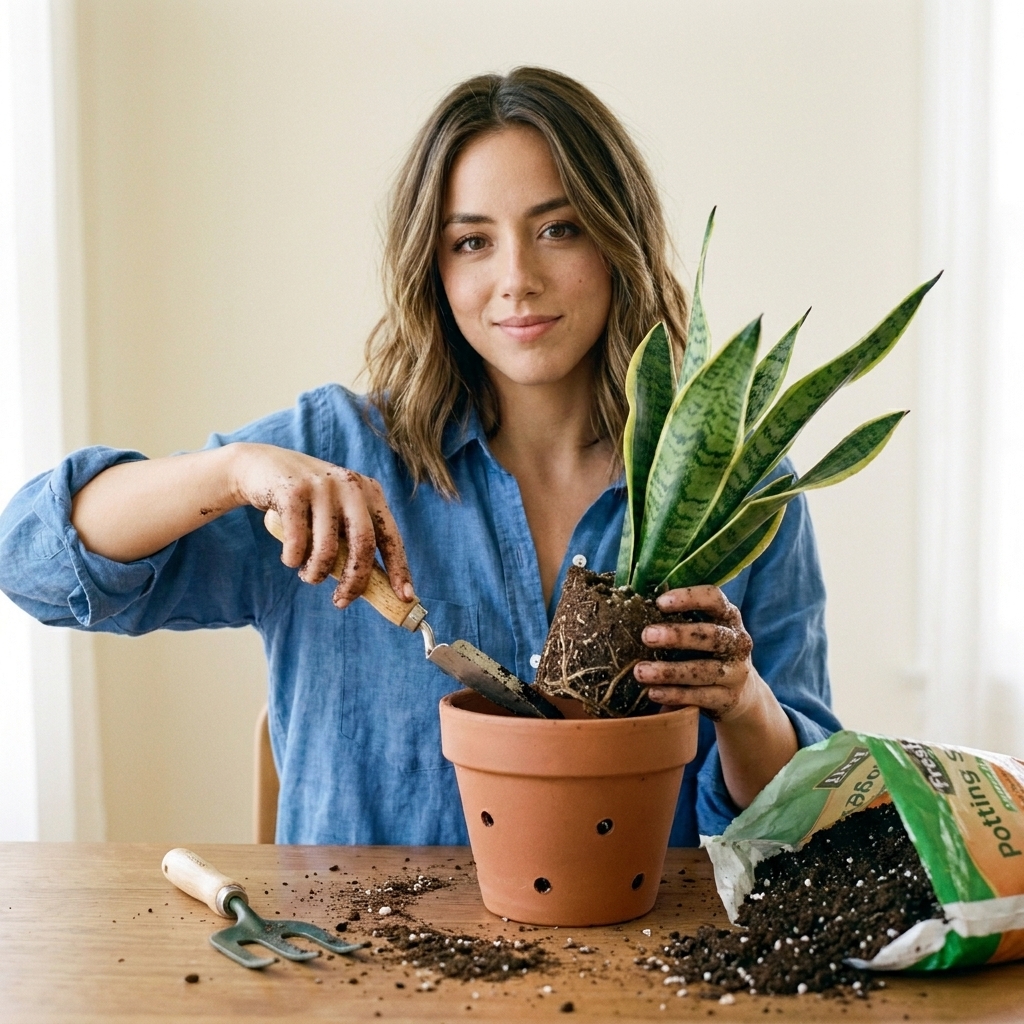
If you do repot, choose a pot with drainage, inspect roots, trim any black mushy roots with sterile scissors, and use a fresh, chunky mix suited to your plant type.
How to prevent it
Prevention is mostly about drying rhythm and air movement. Once you dial those in, mold usually disappears for good.
- Let the top layer dry. Check with your finger or a wooden skewer before watering.
- Match the pot to the plant. Oversized pots dry slowly. Pick a pot only 1 to 2 inches wider than the root ball for most houseplants.
- Use an airy mix. Add perlite, pumice, or orchid bark for plants that hate staying wet.
- Bottom water occasionally. This can keep the surface drier, but if you do it too often the mix can still stay uniformly moist, so keep your dry-down cycle.
- Increase airflow. Space plants slightly apart and consider a small fan in stuffy rooms.
- Give the plant enough light. Even moving a plant a foot closer to a window can speed drying.
- Remove fallen leaves. Decaying debris is fungus food.
Safety notes
If you have mold allergies or asthma
If someone in your home is highly sensitive, treat this like a tiny cleanup job. Wear gloves, consider a well-fitting mask, do the scooping outdoors if you can, and bag the soil immediately. Then wash your hands and wipe down the area where you worked.
If you have kids or pets
Most of this surface fungus is not a big danger, but you still do not want curious hands or mouths in moldy potting mix. Keep the pot out of reach while you clean it up, and discard any mushrooms or fungal growth you see.
Common questions
Can it make my plant sick?
Surface mold is usually not infecting the plant. The bigger risk is that the same wet conditions that grow mold can also weaken roots. If you fix the moisture issue, you protect the plant.
Is it safe to keep the plant indoors?
In most cases, yes. If you have allergies or the mold is extensive and recurring, remove the affected soil layer promptly, improve airflow, and consider repotting.
What if I see tiny mushrooms?
That is usually just the potting mix doing what organic matter does when it stays damp. Pluck the mushrooms, bag and discard them, and adjust moisture and airflow. Do not let kids or pets nibble them.
Will it go away if I stop watering?
Letting the top dry helps, but do not swing to the other extreme and dehydrate your plant. The goal is a healthier dry-down cycle, not drought. Removing the top layer plus better watering habits is faster and more reliable.
My soil has white fuzz and I also have fungus gnats. What should I do?
Those two often show up together because both love consistently damp soil. Remove the moldy top layer, let the soil dry more between waterings, use yellow sticky traps for adults, and consider one diluted peroxide drench to reduce larvae.
What if the growth is dark or the smell is bad?
If you see dark fuzzy growth spreading quickly, or you get a strong rotten odor, take it more seriously. Scoop off the top layer right away and strongly consider repotting into fresh mix with a pot that drains well.
A quick game plan
If you want the simplest approach, here it is:
- Scoop off the top layer of moldy soil.
- Replace with fresh, dry mix.
- Increase airflow and light if you can.
- Water deeply, then wait longer before watering again.
And please do not feel guilty. White mold is one of those classic indoor plant speed bumps. It is your plant and your home environment giving you information. Once you adjust the rhythm, the mold usually disappears and your plant gets happier right along with it.