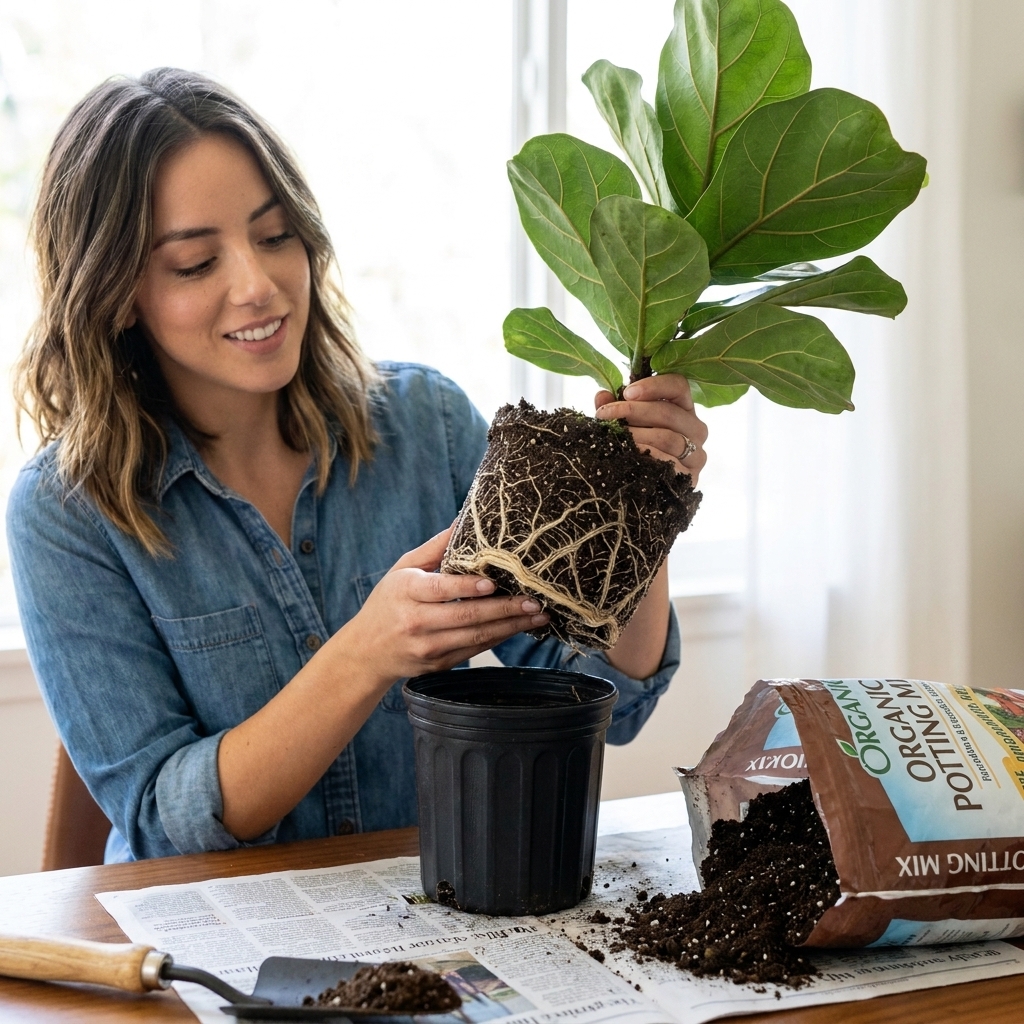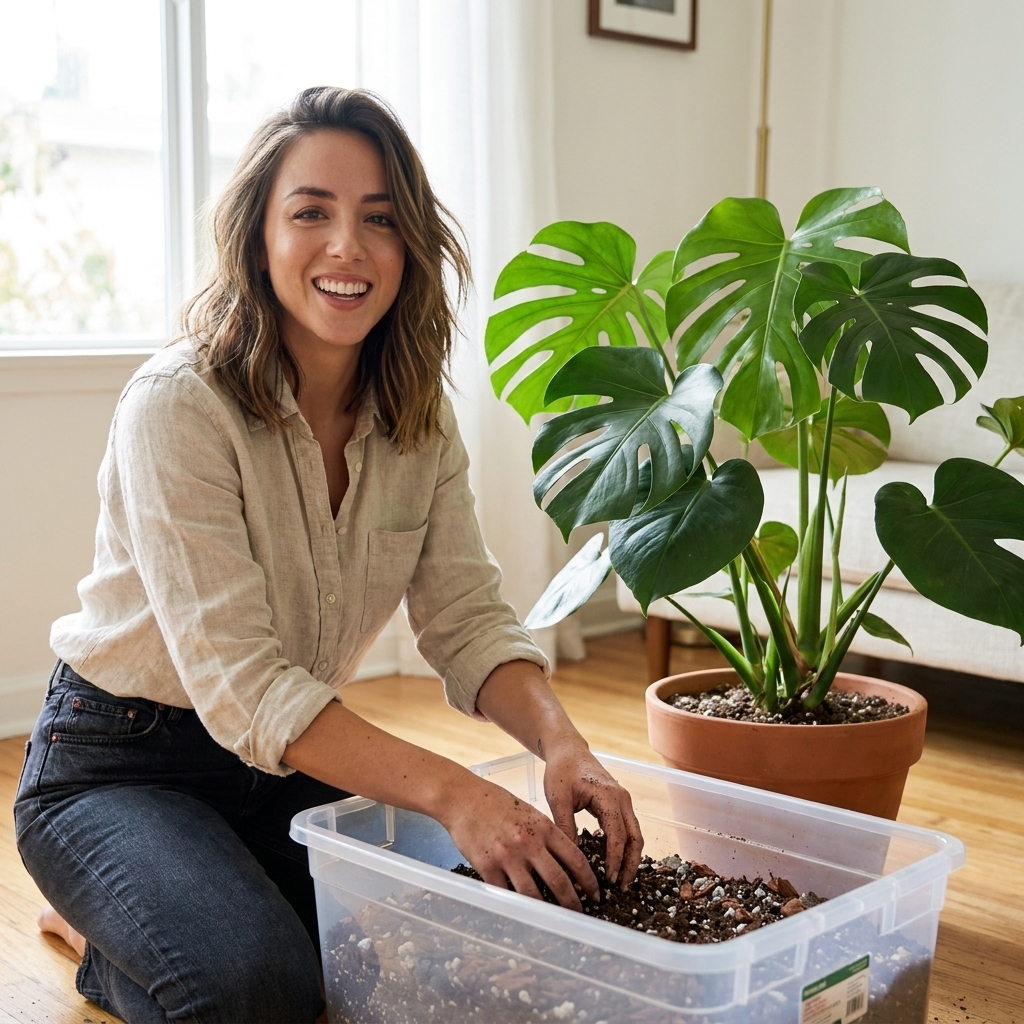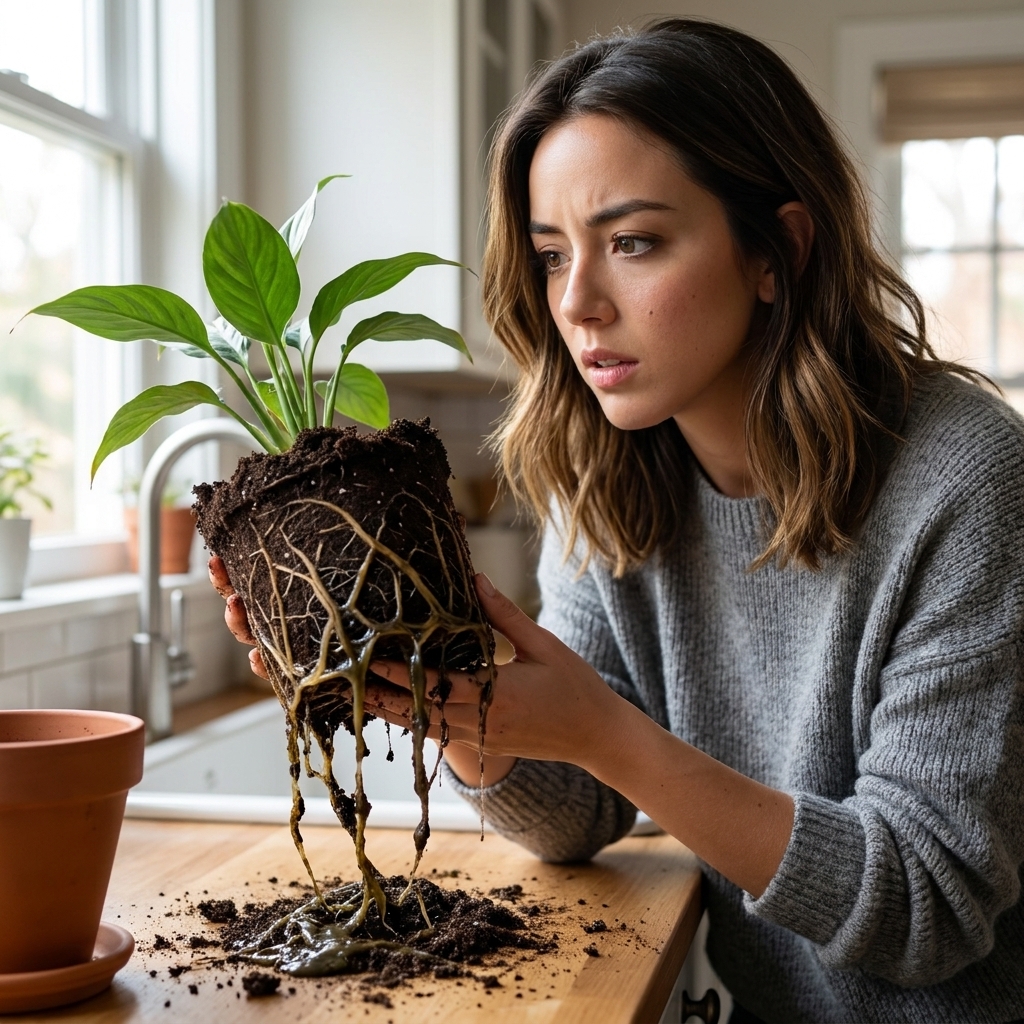
Spot root rot early, remove damaged roots, repot the right way, and prevent it from coming back with smarter watering, better drainage, and healthier soil.
Pot material is one of those quietly powerful choices that can make you feel like a watering genius or like you are somehow "bad at plants". You are not. The pot is doing a lot of the work behind the scenes, especially with moisture.
If you have ever wondered why a pothos thrived in a cheap nursery pot but sulked in a cute new planter, or why your cactus suddenly got mushy after a repot, this is usually the reason: terracotta, plastic, and glazed ceramic hold and release water very differently.
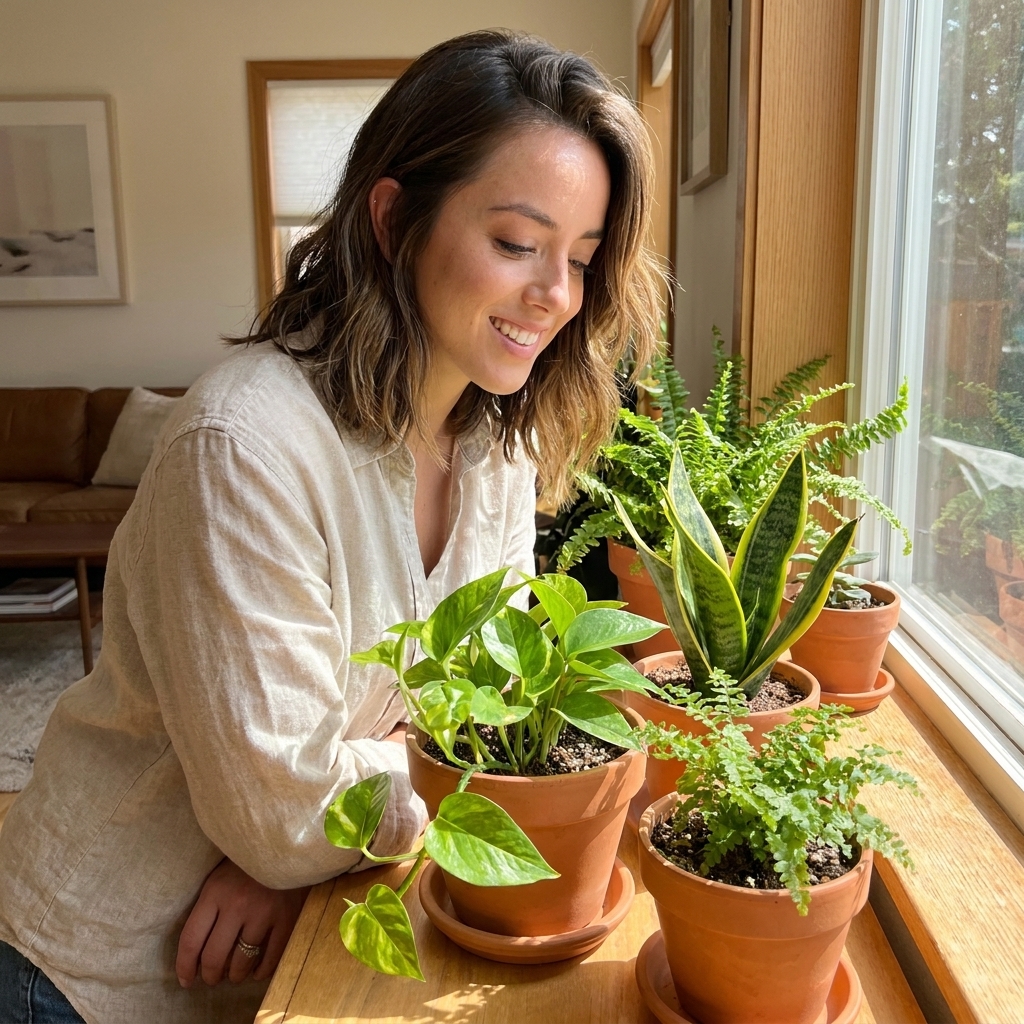
The one question to ask first
Do you want your pot to help the soil dry faster, or stay moist longer?
- Dry faster: Choose unglazed terracotta.
- Stay moist longer: Choose plastic or glazed ceramic.
Everything else like style, weight, cost, even “breathability” is secondary. Indoors, moisture management is usually the biggest variable, because our light is weaker than outdoors, airflow is lower, and slow dry-down makes overwatering easier than most of us were taught.
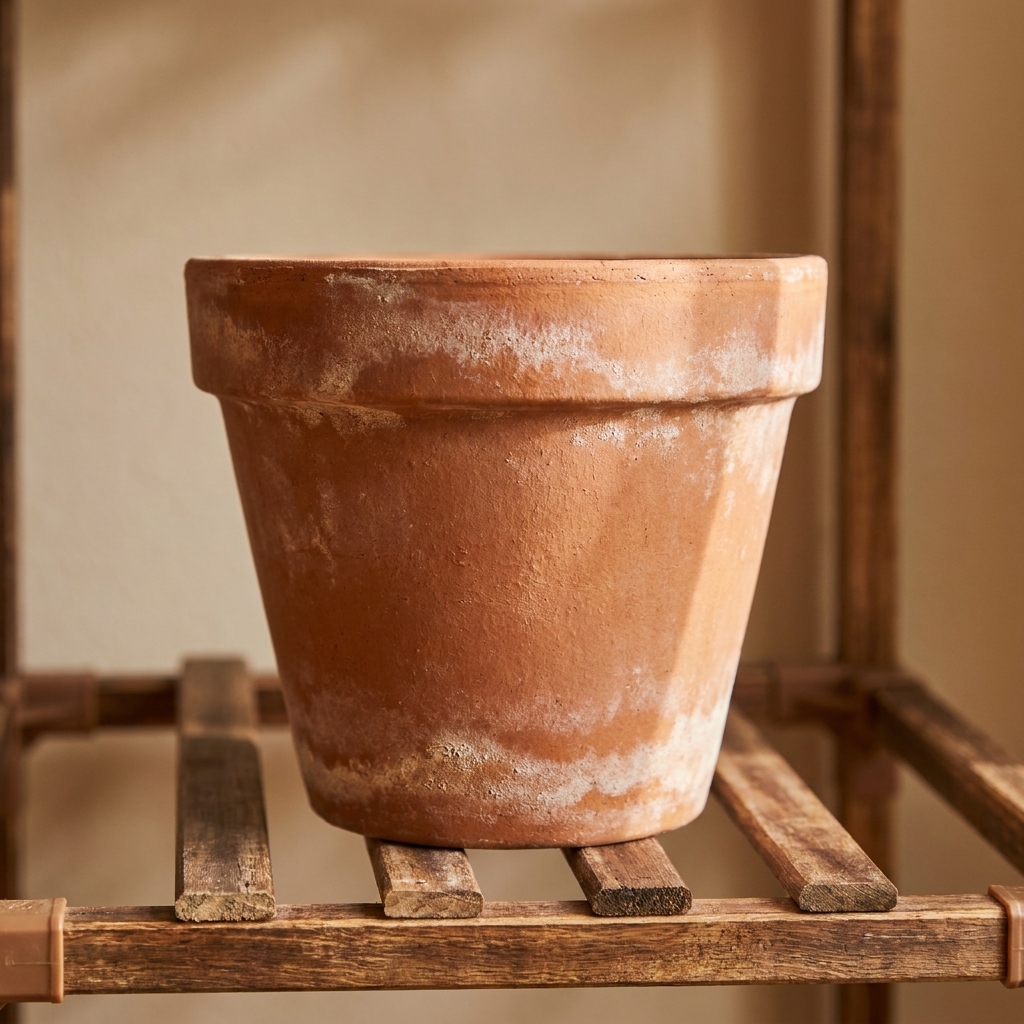
Terracotta pots (unglazed): the moisture-release MVP
Unglazed terracotta is porous clay. Water moves through the pot walls and evaporates from the outside, which means the soil dries faster than it would in plastic or glazed ceramic.
Best for
- Plants that hate staying wet like cacti, many succulents, snake plants, ZZ plants, jade, haworthia, and euphorbia.
- Heavy waterers (hello, this used to be me in college) who tend to water “just in case.”
- Slower-drying homes (lower light, cooler rooms, less airflow).
Pros
- Helps prevent root rot by speeding up dry-down.
- Supports a healthier root zone by encouraging faster drying and a bit of gas exchange through the pot wall (soil structure still matters most).
- Sturdy and classic, and less likely to tip for tall top-heavy plants than lightweight plastic.
Cons
- Needs more frequent watering for thirsty plants (ferns, calatheas, peace lilies).
- Salt and mineral buildup can show as a white crust on the outside. This is common and not dangerous, but it is a sign your water or fertilizer is leaving minerals behind.
- Can wick moisture away from fine roots if the plant is already stressed or under-watered.
- Breakable and can crack if dropped or exposed to big temperature swings.
- Can sweat and stain surfaces. Terracotta can leave moisture rings on wood and stone, so use a saucer or a waterproof tray if your plant lives on furniture.
My favorite terracotta “save my plant” use case
If I am rehabbing a plant that arrived too wet (or I accidentally kept it too wet), moving it into terracotta with a well-draining mix can help it stabilize. It is not a magic cure, but it stacks the odds in your favor by nudging the root zone toward oxygen instead of swamp.
Plastic pots: the moisture-retaining workhorse
Plastic pots are non-porous. They hold moisture longer because water cannot evaporate through the pot walls. Instead, it primarily leaves through the soil surface and drainage holes (and, of course, through the plant itself as it grows and transpires).
Best for
- Thirsty, moisture-loving plants like calatheas, marantas, ferns, peace lilies, and many tropical foliage plants.
- Warm, bright spots where soil dries quickly (south or west windows, near heating vents).
- People who travel or forget to water sometimes.
Pros
- Lightweight and easy to move, even for larger plants.
- Affordable and widely available in many sizes.
- Retains moisture longer, which can be a gift for humidity-sensitive plants.
Cons
- Easier to overwater, especially when drying is slow (low light, cool rooms, heavy soil).
- Less air exchange at the pot walls, so dense soils can stay wet too long.
- Can degrade over years (becoming brittle) depending on quality and sun exposure.
Plastic pot tip I wish everyone knew
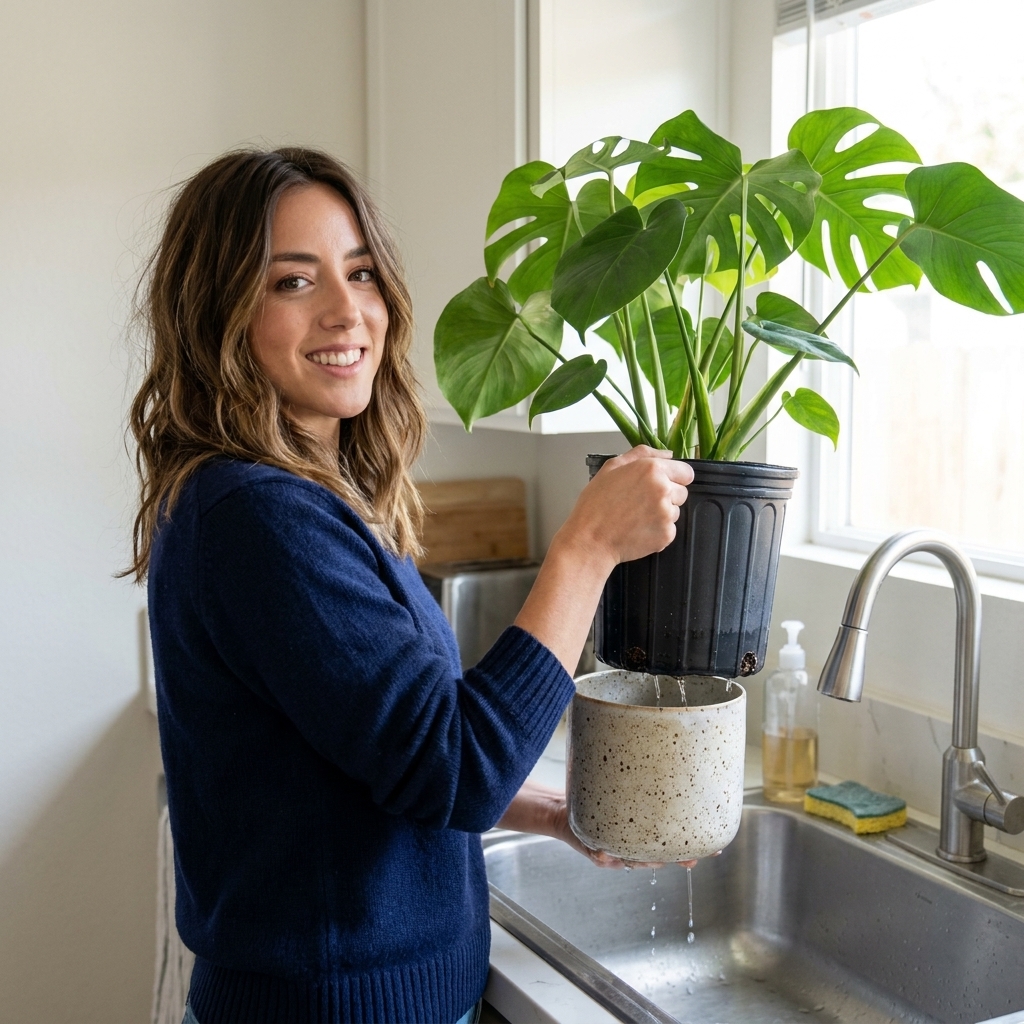
Most “my plant hates repotting” stories are really “my plant hates sitting wet in a pot that stays wet.” If you love decorative cachepots, keep your plant in a plastic nursery pot with drainage, and simply slip it into the pretty outer pot. You get controlled watering and you can lift it out to drain fully.
Glazed ceramic pots: beautiful, heavy, and often misunderstood
Glazed ceramic (including many decorative indoor planters) is clay coated with a glass-like glaze. That glaze makes the pot mostly non-porous, so it behaves much closer to plastic than terracotta when it comes to moisture.
Best for
- Plants that like even moisture but still need drainage, like many aroids, philodendrons, and some hoyas and peperomias (especially with an airy mix).
- Top-heavy plants that need stability, like mature monsteras, rubber plants, and larger ficus.
- Plant parents who want a one-and-done look and are confident about drainage and watering restraint.
Pros
- Looks polished and comes in endless styles.
- Heavier, which helps prevent tipping.
- Holds moisture better than terracotta, helpful for plants that dislike drying out fully.
Cons
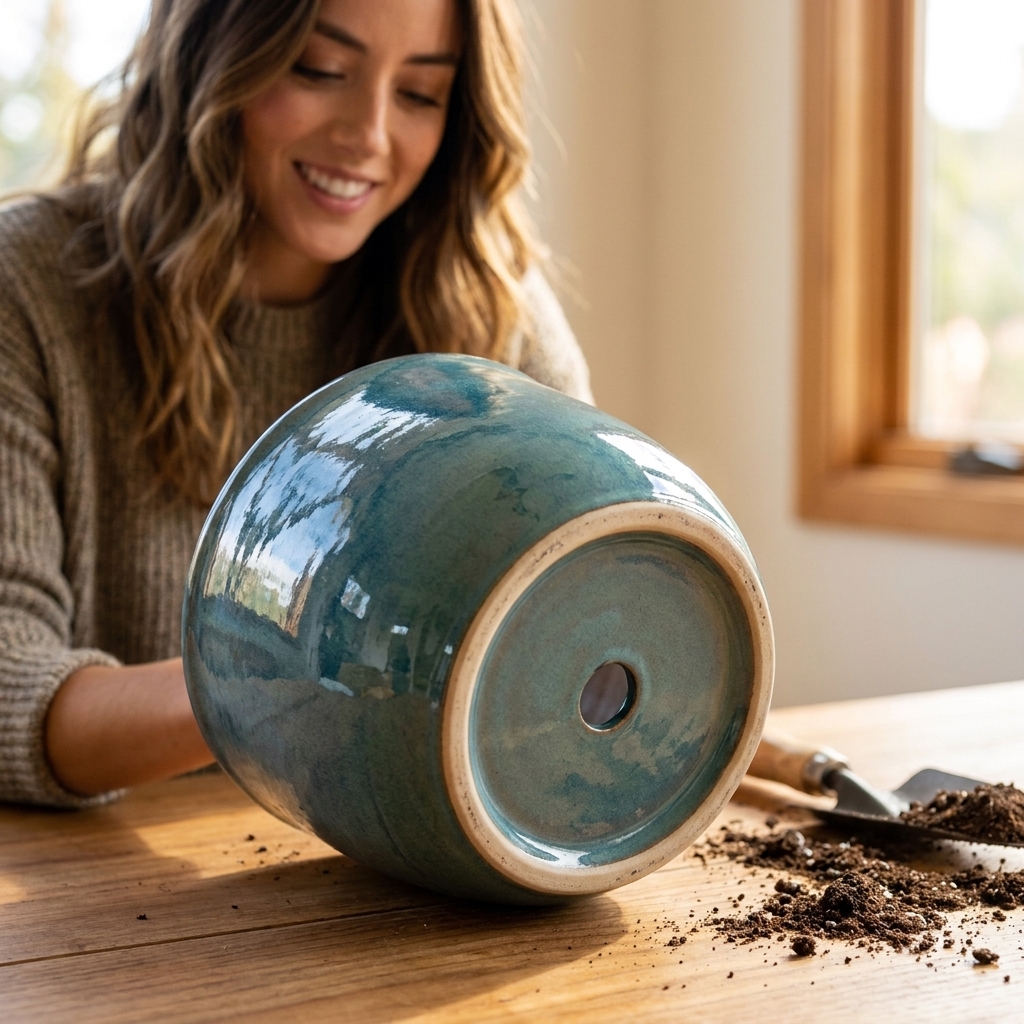
- Drainage is inconsistent. Some have one tiny hole, some have none (cachepot style). No drainage is risky for most common houseplants long-term.
- Can keep soil wet for a long time in slow-drying conditions.
- Often more expensive, and can crack if dropped.
Quick glazed-ceramic rule: If it has no drainage hole, treat it as an outer cachepot only. Put your plant in a nursery pot inside it, and always let it drain outside the cachepot after watering.
Drainage matters more than material
I will say this as gently and firmly as possible: no drainage hole is not a personality trait, it is a risk factor.
Even if you are careful, salts accumulate, roots grow into soggy pockets, and eventually something goes sideways. There are specialty setups that can work without a traditional drainage hole, but for most everyday houseplants, drainage is the safer, simpler move.
How to use a cachepot safely
- Keep the plant in a nursery pot with drainage.
- Water at the sink or shower until water runs out.
- Let it drain for 10 to 20 minutes.
- Only then return it to the decorative outer pot. Do not let water pool in the bottom.
How pot material changes your watering schedule
If you switch pot materials and keep watering “like you always do,” you can accidentally create a problem.
If you move a plant from plastic to terracotta
- Expect to water more often.
- Watch for limp leaves or soil pulling away from the pot edges.
- Consider a slightly less chunky mix if your plant is not drought-tolerant.
If you move a plant from terracotta to plastic or glazed ceramic
- Expect to water less often.
- Let the soil dry more between waterings, especially when drying is slow.
- Consider adding extra aeration to the mix (orchid bark, perlite, pumice) to avoid staying wet too long.
Humidity and climate matter
Pot material does not exist in a vacuum. In a very dry home (or a desert climate), terracotta can dry plants out fast, sometimes faster than you would like. In a humid home, the difference between materials can be less dramatic because evaporation slows down across the board.
If you are constantly watering in terracotta, switching to plastic or glazed ceramic can be a relief. If everything stays wet forever, terracotta (plus a better mix) can be your best friend.
Best pot choices for common houseplants
These are general guidelines, not unbreakable rules. Your light, temperature, soil mix, and watering habits matter too. But if you want a strong starting point, this will get you close.
Go terracotta
- Snake plant (Dracaena/Sansevieria)
- ZZ plant
- Cacti and most succulents
- Jade plant
- Aloe
- String of pearls (with extra drainage and bright light)
Go plastic or glazed ceramic (with drainage)
- Calathea and maranta
- Boston fern and maidenhair fern
- Peace lily
- Pothos and philodendron (either works, choose based on how often you want to water)
- Monstera (glazed ceramic is great for stability, just avoid overpotting)
- Fiddle leaf fig (stable pot plus careful watering)
Often happiest in nursery pots inside a cachepot
- Many common epiphytic orchids (clear slotted pots are ideal for airflow and for seeing roots and moisture)
- Anthuriums
- Finicky plants you are still learning (it is easier to monitor moisture and roots)
Pot size, weight, and root health
Material gets a lot of attention, but size is the sneaky culprit in many indoor plant problems.
Avoid overpotting
A pot that is too large holds extra soil, and extra soil holds extra water. That water sits around unused roots, which is how root rot often begins.
For most houseplants, choose a pot that is 1 to 2 inches wider than the current root ball (or the current pot). For very fast growers, you can go up a bit more, but it is still safer to step up gradually.
Consider stability
Plastic is light. Terracotta and ceramic are heavier. For tall plants like monsteras and rubber trees, a heavier pot can prevent the classic slow-motion tip-over.
Moisture and airflow: the “breathable pot” myth
You will hear that terracotta “lets roots breathe.” There is truth here, but it is easy to oversimplify.
- Roots need oxygen, but most oxygen exchange happens in the soil structure itself.
- Terracotta helps because it speeds drying and allows some gas exchange through the pot wall.
- Plastic is not automatically bad if your pot has drainage and your mix has airflow (chunky components, not dense mud).
If you love the look of glazed ceramic but worry about wet soil, your best fix is usually a better soil mix and a smaller pot, not abandoning ceramic entirely.
Quick decision guide
- You overwater, your home dries slowly, or your plant is drought-tolerant: Choose terracotta.
- You underwater, travel often, or your plant loves steady moisture: Choose plastic or glazed ceramic (with drainage).
- You want decor and control: Use a nursery pot inside a cachepot.
- You are fighting fungus gnats or constantly wet soil: Switch to terracotta or improve aeration and reduce pot size.
FAQ
Is terracotta always better for preventing root rot?
It helps, but it is not a guarantee. Root rot comes from roots staying wet and oxygen-starved for too long. Terracotta speeds up drying, but a too-large pot, dense soil, or low light can still keep things wet enough to cause problems.
Do plastic pots cause root rot?
No. Overwatering and slow-drying conditions cause root rot. Plastic simply holds moisture longer, so you need to water less often and use a well-aerated mix.
What about glazed terracotta?
If it is glazed on the outside (or fully glazed), treat it like glazed ceramic. It will retain moisture far more than unglazed terracotta.
Can I put rocks in the bottom for drainage?
Skip the rocks. They do not improve drainage in a meaningful way indoors and can actually create a zone where water sits higher in the pot. Use a pot with a drainage hole and a soil mix with airflow instead.
What is the best pot for beginners?
A plastic nursery pot with drainage placed inside a decorative cachepot is the easiest setup to learn with. You can monitor moisture, lift the pot to judge weight, and drain thoroughly every time.
The bottom line
If you remember one thing, make it this: match the pot to the plant’s moisture preferences and to your watering habits.
Terracotta is forgiving for plants that want to dry out and for humans who love to check on their plants. Plastic and glazed ceramic are wonderful for plants that like even moisture, as long as you respect how long they stay wet. And no matter what you choose, drainage and the right pot size will do more for your plant’s health than any trendy planter ever could.