Break the fungus gnat life cycle indoors using BTI, sticky traps, and soil fixes. A realistic, plant-safe routine that actually lasts.
If you have houseplants, you will eventually have a pest moment. It does not mean you are bad at plants. It means you have a tiny ecosystem in your home, and something found a snack.
The good news: most common houseplant pests can be handled without harsh chemicals. The trick is identifying what you are dealing with, isolating early, and repeating treatments on a schedule so you catch the next hatch cycle.
Before you treat anything
- Isolate the plant right away. Pests spread through contact and nearby plants, often via hands, tools, pets, or drafts.
- Confirm the pest using the clues below. Different bugs need different tactics.
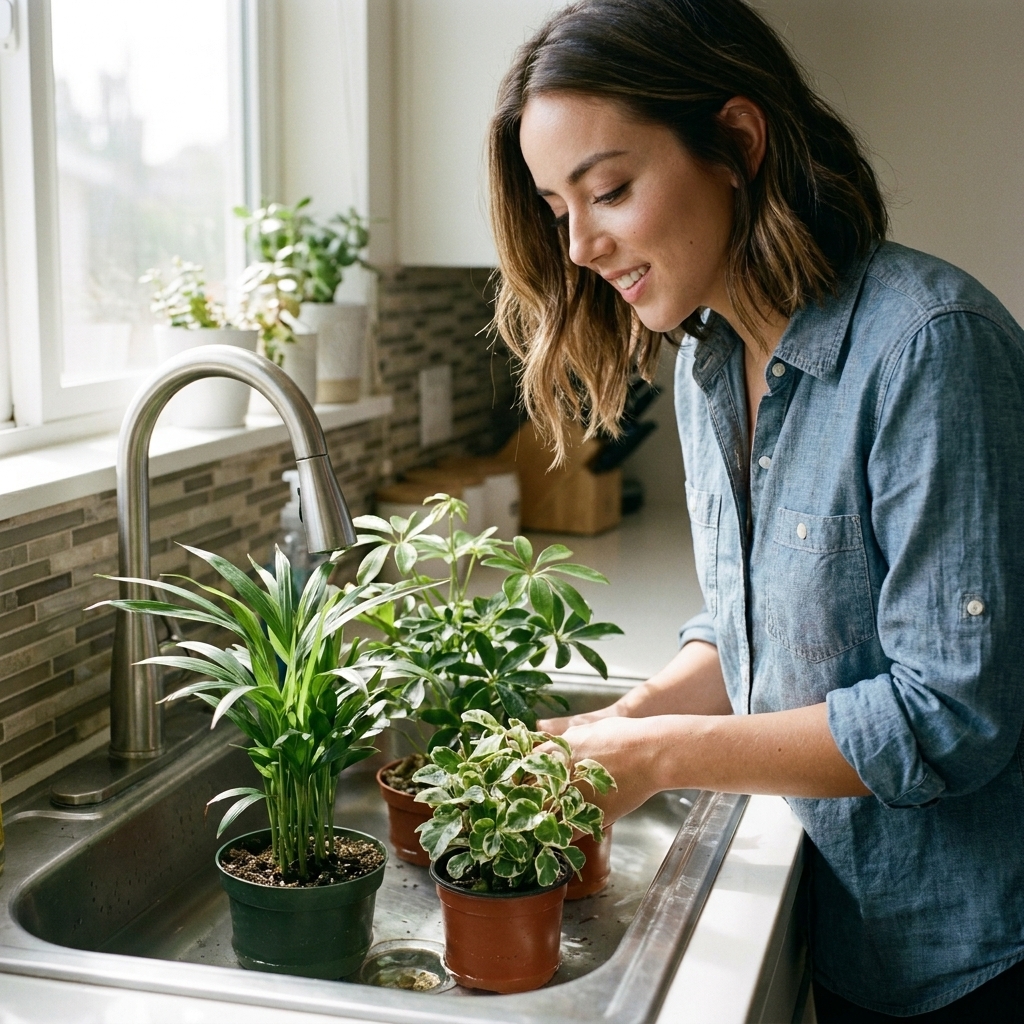
- Rinse first, treat second. A strong lukewarm shower knocks off a surprising number of pests (and a few eggs), and it makes follow-up sprays work better.
- Repeat every 5 to 7 days for 3 to 4 rounds. One treatment rarely finishes the job.
- Improve conditions that helped the pest thrive, like soggy soil or dusty leaves.
My natural toolkit: insecticidal soap (or a gentle castile soap mix), horticultural oil (or neem used carefully), 70% isopropyl alcohol for spot-treating, yellow sticky traps, and beneficial nematodes for soil pests.
1) Spider mites
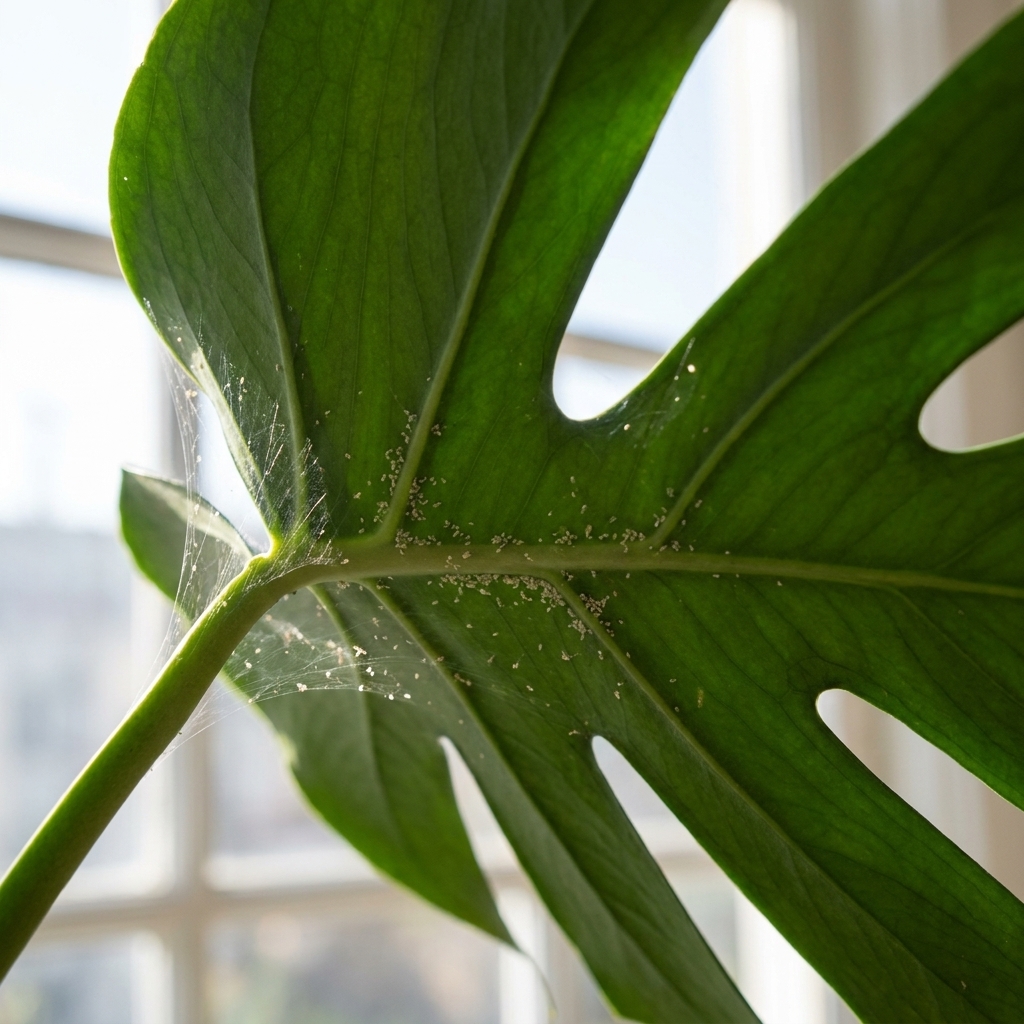
How to spot them: Tiny moving dots (often red, tan, or pale) on the underside of leaves, faint stippling that looks like little pinpricks, and fine webbing around leaf joints. They love warm, dry air and dusty foliage.
Most common on: Calatheas, alocasias, ivies, palms, crotons, and anything near a heat vent.
Natural treatment
- Shower the plant thoroughly (top and underside of leaves). Focus on the undersides.
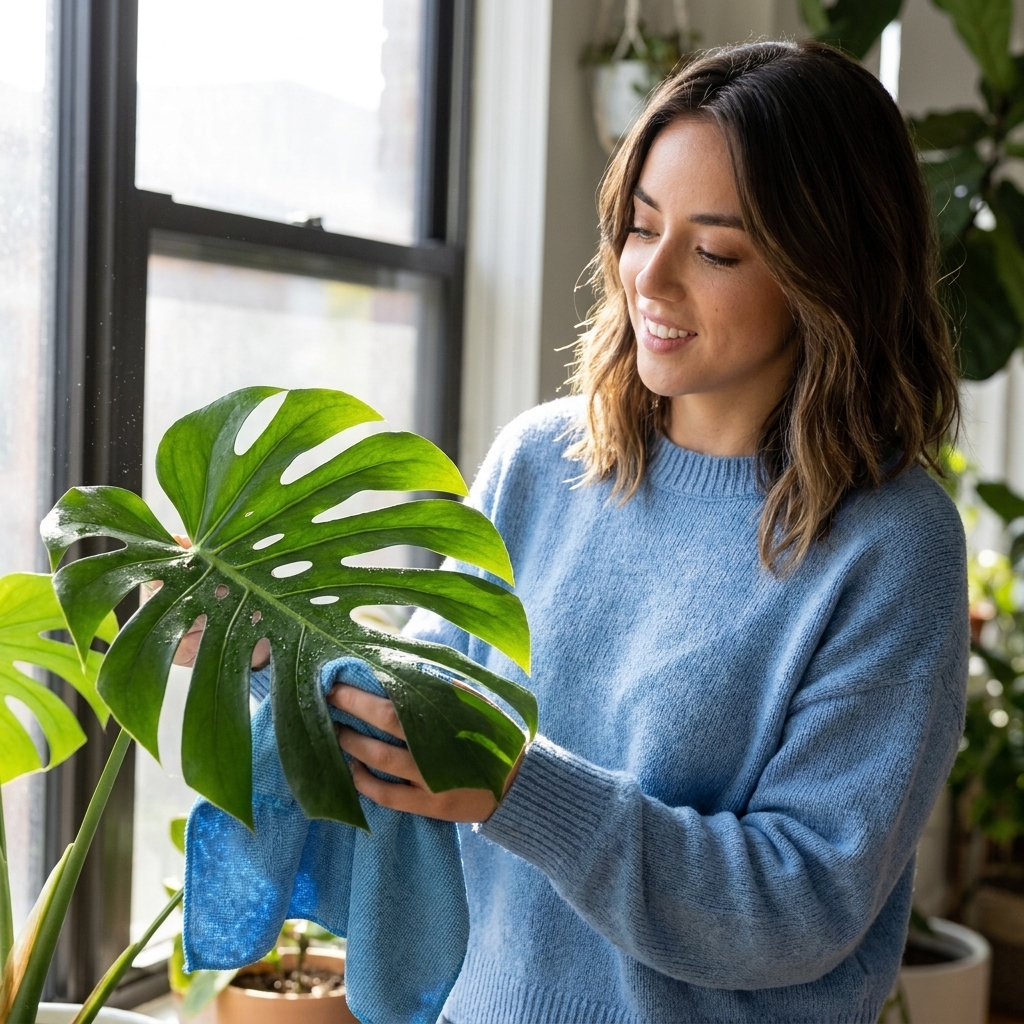
- Wipe leaves with a damp microfiber cloth to physically remove mites and webbing.
- Spray insecticidal soap or a light horticultural oil, coating undersides well. Avoid spraying in direct sun.
- Increase humidity modestly (pebble tray, grouping plants, or a humidifier). This does not kill mites alone, but it slows them down.
- Repeat every 5 to 7 days for at least 3 rounds.
- Optional bio-control: predatory mites can work surprisingly well indoors if you are open to it.
Chloe tip: If your plant is very sensitive (hello, Calathea drama), test any spray on one leaf first and wait 24 hours.
2) Fungus gnats
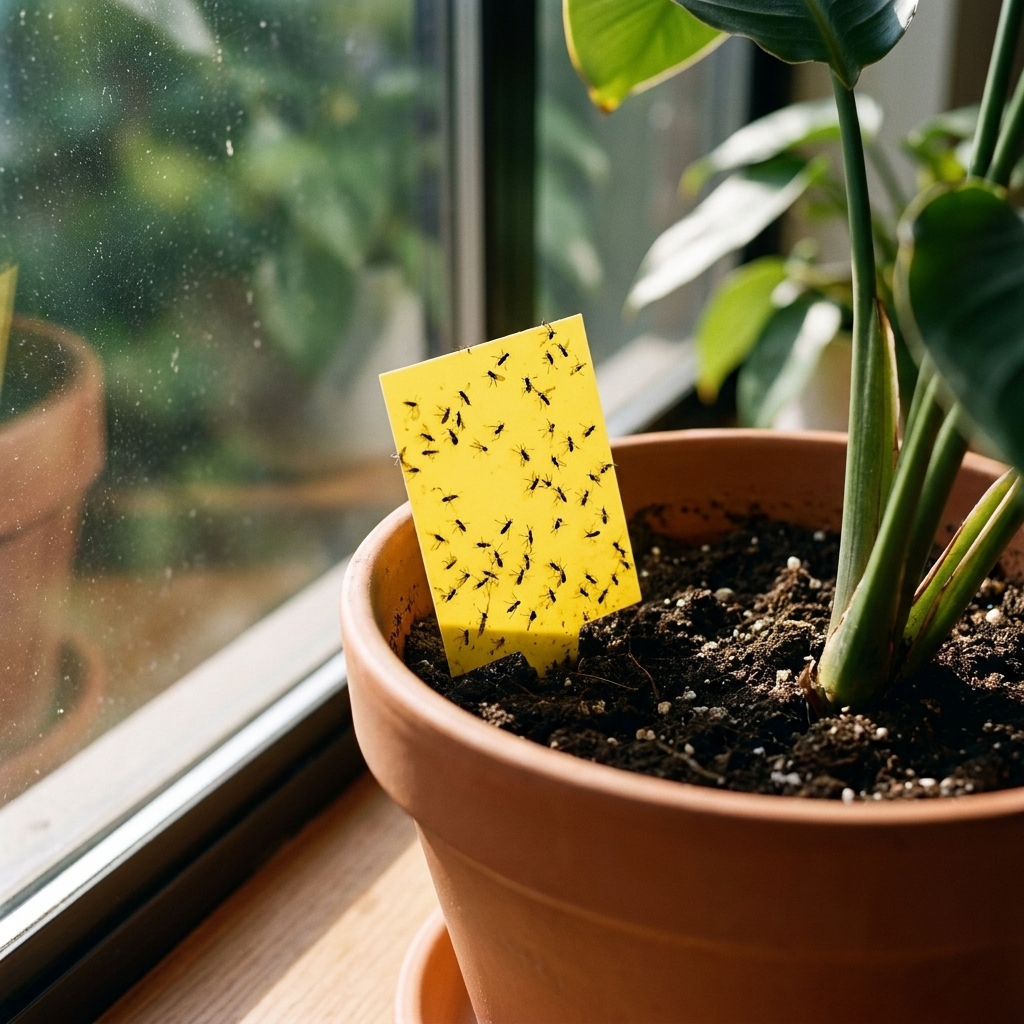
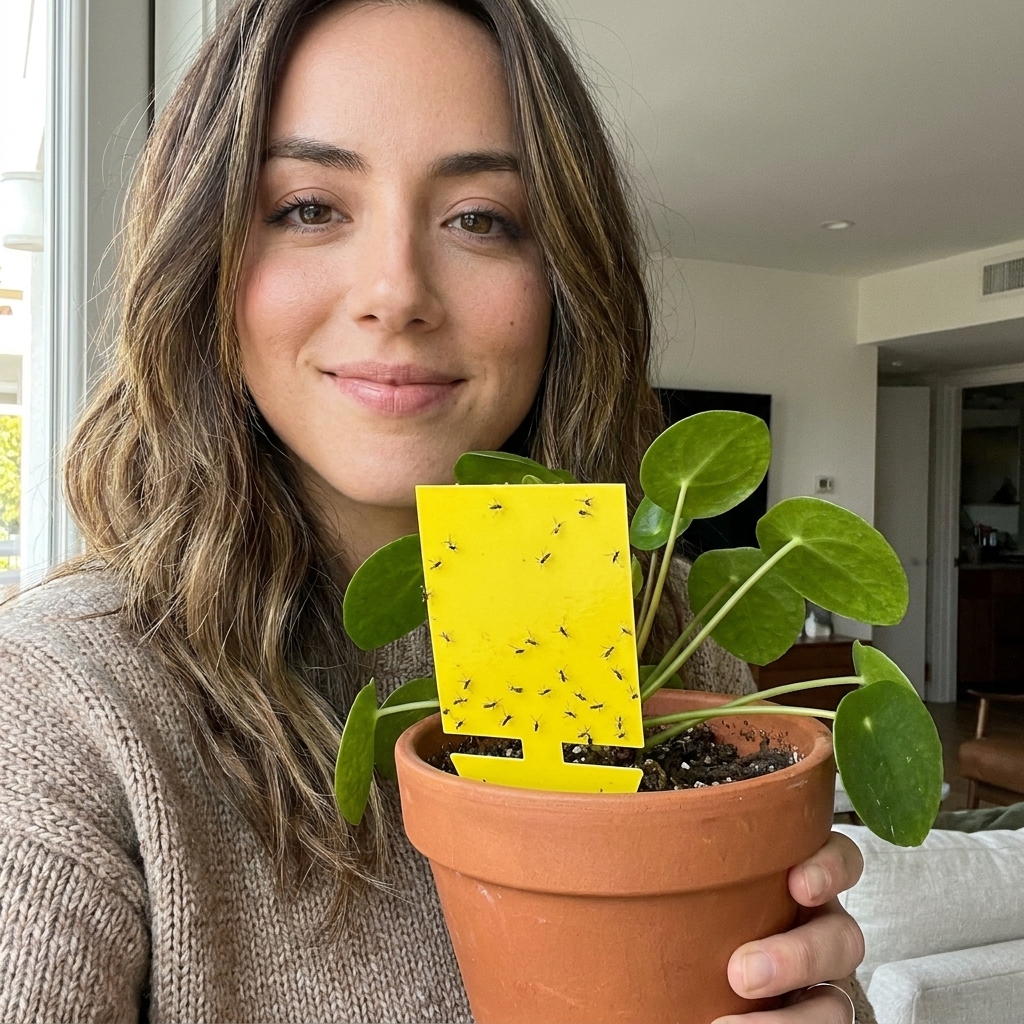
How to spot them: Small black flies hovering around pots or running on the soil surface. The real problem is the larvae in consistently damp soil. Damage is usually worst in seedlings, cuttings, and already-stressed plants.
Most common on: Overwatered plants, seedlings, and plants in heavy soil mixes that stay wet.
Natural treatment
- Let the top 1 to 2 inches of soil dry between waterings. This is the biggest lever.
- Use yellow sticky traps to catch adults and monitor progress.
- Bottom-water for a few weeks so the surface stays drier.
- Top-dress thoughtfully if you want a physical barrier. Sand or fine gravel can help in some setups, but it works best alongside drying cycles plus BTI or nematodes. Keep the layer dry. If it stays damp, skip it.
- Use BTI (mosquito bits or dunks) or beneficial nematodes (Steinernema feltiae) to target larvae in the soil.
Chloe tip: If gnats keep coming back, your potting mix may be holding too much moisture. A chunkier mix with perlite and bark can be a permanent fix.
3) Mealybugs
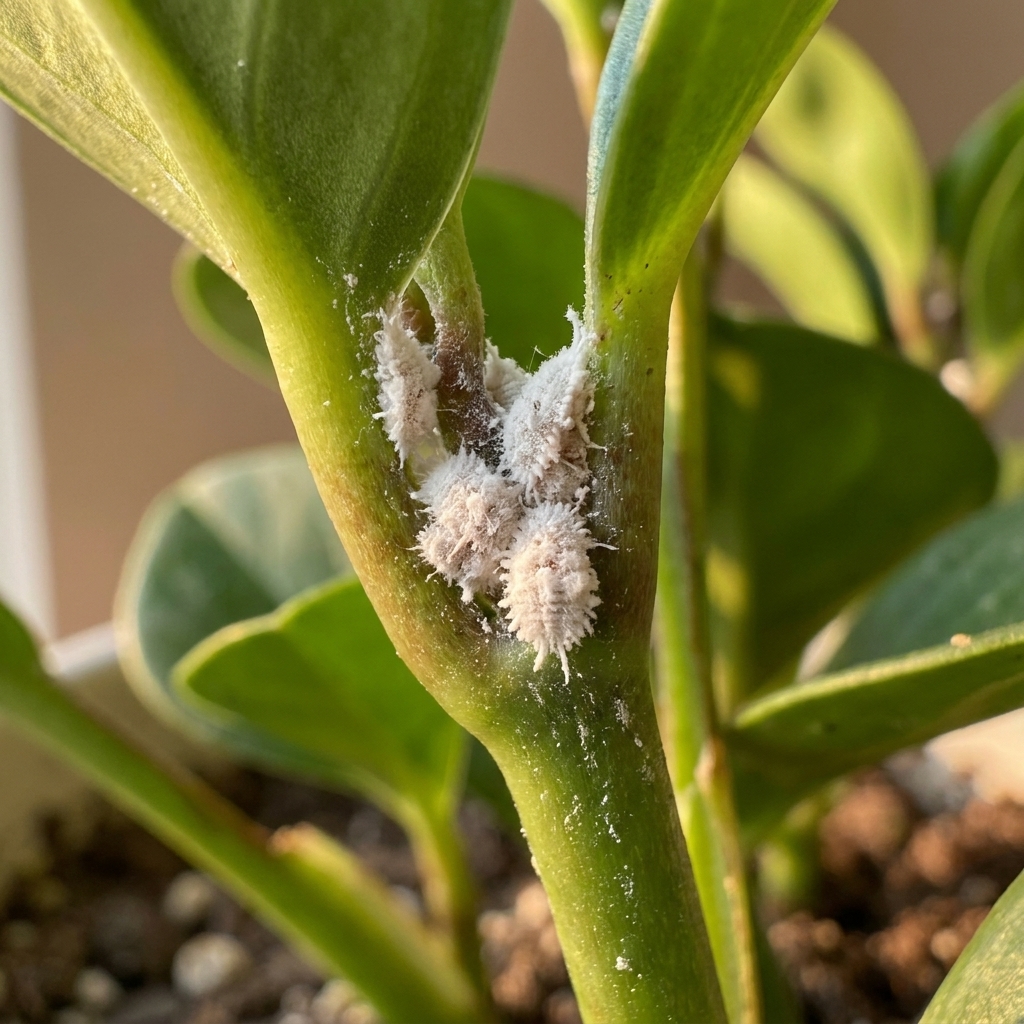
How to spot them: White, cottony clusters in leaf nodes, along stems, and at the base of petioles. Sticky residue (honeydew) is common, and you may see sooty mold growing on it.
Most common on: Hoyas, pothos, monsteras, succulents, and any plant with lots of hiding spots.
Natural treatment
- Quarantine immediately because they spread easily.
- Spot-remove with 70% isopropyl alcohol on a cotton swab. Dab each bug directly.
- Prune heavily infested growth if it is localized.
- Follow with insecticidal soap every 5 to 7 days for 3 to 4 rounds to catch new hatchlings.
Chloe tip: Check the pot rim and drainage holes. Mealybugs love a hidden commute route. If you keep seeing them after treating the leaves, slide the plant out of the pot and look for root mealybugs (white fluff on roots and inside the pot).
4) Scale insects
How to spot them: Little tan, brown, or gray bumps that look like part of the plant. They do not wipe off easily like dirt. Leaves may yellow, growth slows, and the plant can feel sticky from honeydew.
Most common on: Ficus, citrus trees, schefflera, hoya, and orchids.
Natural treatment
- Physically remove them first. Use a fingernail, a soft toothbrush, or a cotton swab with 70% alcohol.
- Wipe down stems and leaf veins where they line up like tiny barnacles.
- Apply horticultural oil to smother remaining scale. Coat thoroughly, especially stems and undersides.
- Repeat weekly for several weeks and keep checking new growth.
Chloe tip: Scale is persistent because adults sit there like armored bumps. Removal plus repeat oiling is what turns the tide.
5) Aphids
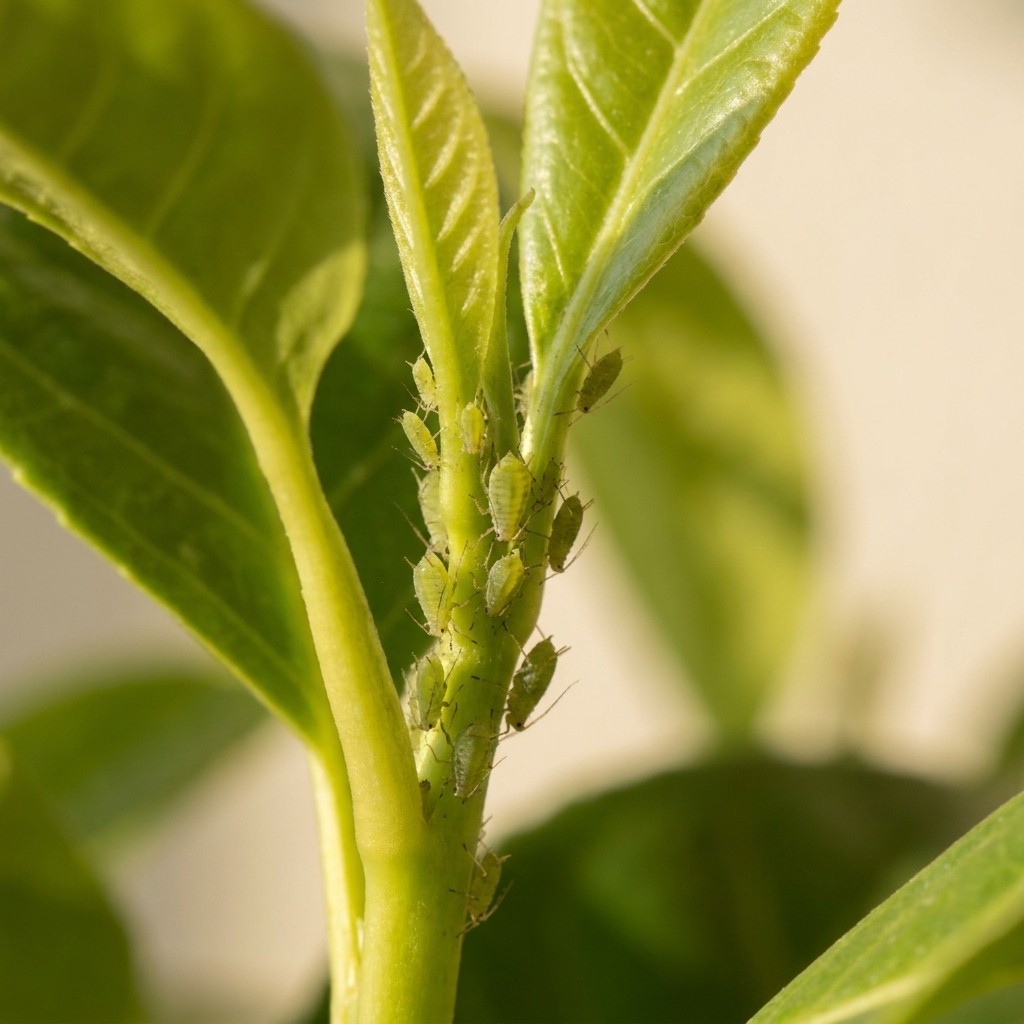
How to spot them: Clusters of soft-bodied green, black, yellow, or brown insects on new growth, buds, and flower stems. Leaves may curl or look puckered. Honeydew and ants can show up, too.
Most common on: Herbs indoors, hibiscus, hoya peduncles, and any plant putting out tender new growth.
Natural treatment
- Blast them off with water in the sink or shower. This alone helps a lot.
- Pinch off heavily infested tips if you can spare them.
- Spray insecticidal soap and coat the clusters well. Reapply every 5 to 7 days until gone.
Chloe tip: If the plant is flowering, check blooms and bud clusters. Aphids love the buffet.
6) Thrips
How to spot them: Silvery streaking or scarring on leaves, tiny black specks (frass or droppings) on the leaf surface, and distorted new growth. Adult thrips are slender and fast. You might see them dart when you tap a leaf over white paper.
Most common on: Monsteras, philodendrons, ficus, and flowering plants brought indoors.
Natural treatment
- Isolate fast. Thrips spread quickly.
- Rinse and wipe leaves to reduce the population.
- Use blue or yellow sticky traps near the plant to catch flying adults.
- Spray insecticidal soap on both sides of leaves, repeating every 5 to 7 days. This helps, but it is often not enough on its own.
- Treat the soil surface too. Some thrips species pupate in potting mix. Keep the top layer drier, and consider BTI or beneficial nematodes as extra support.
- For stubborn cases, use spinosad if you are comfortable with it. Follow label directions exactly. It is typically considered compatible with organic gardening, but it can harm beneficial insects when wet. Use it carefully and avoid spraying plants that are outdoors or about to go outdoors near pollinators.
- Optional bio-control: predatory mites can also help, especially when you want a non-spray approach.
Chloe tip: Thrips damage can keep showing on already-scarred leaves even after you win. Judge success by healthy new growth, not perfection on old leaves.
If your plant has tight, distorted new growth but you cannot find thrips or aphids: broad mites or cyclamen mites are a possibility. They are tiny, and symptoms can look like mystery stress. In that case, isolate the plant and consider a sulfur-based product labeled for houseplants, or ask a local nursery for ID help.
7) Whiteflies
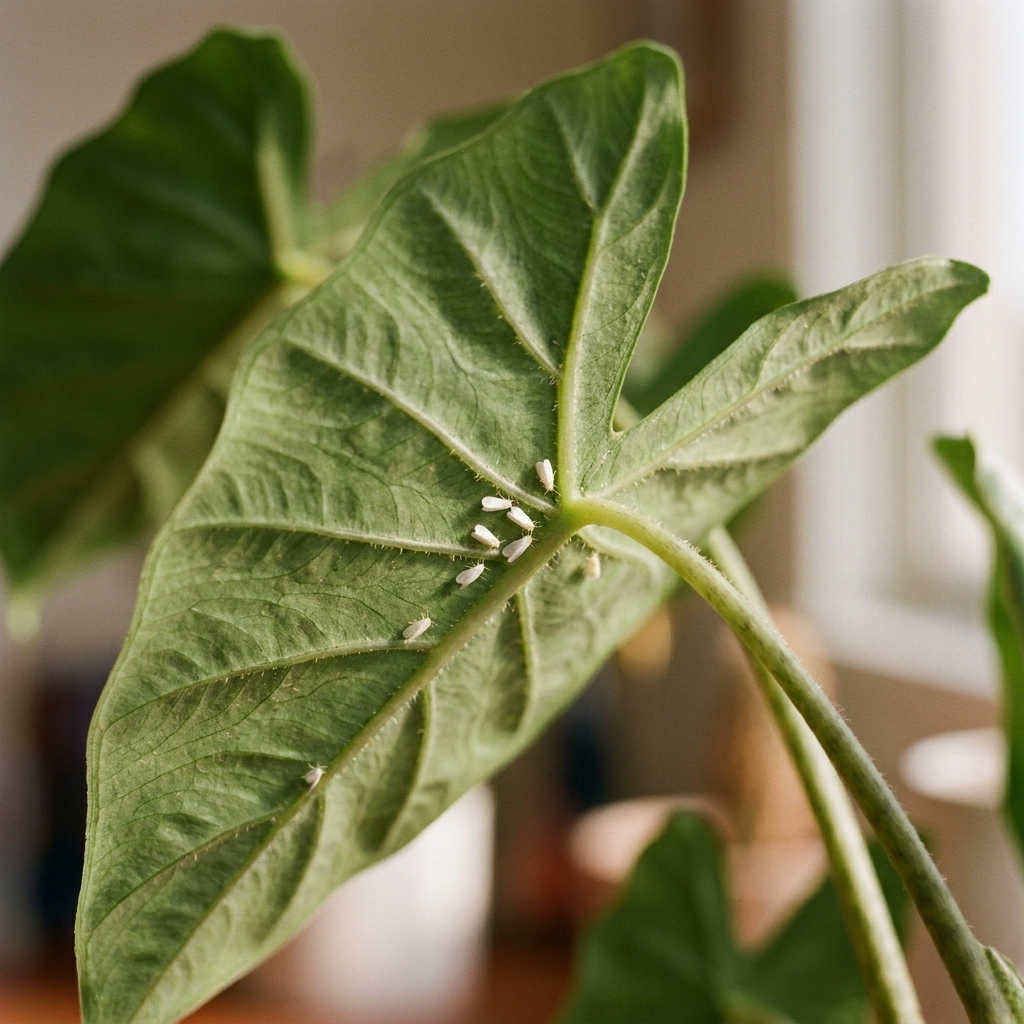
How to spot them: When you bump the plant, tiny white insects flutter up. Leaves can yellow and feel sticky from honeydew.
Most common on: Hibiscus, fuchsia, citrus, and soft-stemmed plants grown near bright windows.
Natural treatment
- Vacuum adults gently using a handheld vacuum on low power, especially in the morning when they are slower. Empty the canister right away.
- Rinse the plant focusing on leaf undersides.
- Use yellow sticky traps to reduce adults and track progress.
- Apply insecticidal soap or horticultural oil, coating undersides. Repeat weekly until you stop seeing flyers.
Chloe tip: Whiteflies hide underneath leaves. If you only spray the top, you are basically watering them.
Simple sprays that work
You do not need a cabinet full of products. You need one or two that you use consistently.
Insecticidal soap (store-bought is easiest)
- Best for: aphids, mealybugs (young), whiteflies, spider mites (as part of a routine)
- How it works: breaks down soft-bodied pests on contact
- Use it right: soak pests thoroughly, avoid direct hot sun, repeat regularly
Gentle soap spray (DIY in a pinch)
If you cannot get insecticidal soap quickly, you can make a mild mix using pure liquid castile soap. Start very gentle.
- Mix: 1 teaspoon castile soap per 1 quart of water
- Test first: spray one leaf, wait 24 hours for spotting or burn
Horticultural oil or neem (use carefully)
- Best for: scale support, mites, whiteflies, and general pressure when used consistently
- Use it right: emulsify properly, coat evenly, keep out of direct sun, do not overapply
- Note on neem: neem products vary a lot. Indoors, horticultural oil is often the clearer, less fussy choice. If you use neem, expect some odor and take phytotoxicity seriously.
Quick safety checklist
- Test on one leaf first and wait 24 hours.
- Do not spray in hot sun or on heat-stressed plants. Early morning or evening near good ventilation is best.
- Keep kids and pets away until sprays are fully dry, even if the product is labeled low-tox.
- Never mix products (for example, soap and oil together) unless the label explicitly says you can.
- Follow labels for any purchased product. Natural does not mean consequence-free.
Important: Oils and soaps can stress some plants, especially ferns, calatheas, and plants already dehydrated. When in doubt, start with rinsing and wiping and move up slowly.
Prevent pests
- Quarantine new plants for 10 to 14 days, even if they look fine.
- Wipe leaves monthly. Dust invites mites and makes treatments less effective.
- Water correctly. Overwatering is basically an open invitation for gnats and root stress.
- Check undersides when you water. A 10-second scan prevents a 10-week battle.
- Avoid over-fertilizing. Super soft, fast growth is aphid heaven.
When to escalate
If you have been consistent for 3 to 4 weeks and you are still seeing active pests (not just old damage), it is okay to level up. That can mean switching products, adding a bio-control, or using a pesticide labeled for indoor houseplants where appropriate and legal. And if a plant is severely declining and the battle is making you miserable, letting it go is a valid choice.
FAQ
How long does it take to get rid of houseplant pests naturally?
Most infestations improve within 2 to 3 weeks if you isolate, knock pests back with rinsing, and repeat a contact treatment (soap or oil) every 5 to 7 days. Scale and thrips can take longer, often 4 to 6 weeks, because you are chasing multiple life stages.
Should I repot a plant that has pests?
For fungus gnats, repotting into a chunkier mix can help a lot, but you can often solve it without repotting using drying cycles plus BTI or nematodes. For leaf pests like mites, aphids, mealybugs, thrips, repotting is usually not necessary unless the plant also has root issues.
Do I need to throw my plant away?
Almost never. I only recommend letting a plant go if it is severely declining, the pest keeps returning despite consistent treatment, and keeping it is stressing you out. Plants are supposed to bring comfort, not guilt.