A step-by-step troubleshooting guide to revive stalled houseplant growth, covering light, watering, nutrients, root crowding, humidity, temperature, soil, an...
Spring is when your plants quietly shift from “surviving the winter” to “I could take over this whole windowsill if you let me.” The trick is meeting them halfway. A few small adjustments now (not a total overhaul) can prevent the classic spring problems like root rot, sun scorch, and that confusing phase where a plant looks thirsty but is actually just cold and slow.
Here is the spring jumpstart I use for my own indoor jungle, especially in low light apartments where winter growth stalls.
Start with a 10-minute spring checkup
Before you change anything, do a quick scan. You are looking for small clues that tell you what to adjust first.
- Leaves: Pale new leaves can mean low light or low nutrients. Crispy edges can point to underwatering, low humidity, or salt buildup. Limp leaves can mean thirst, but also cold, wet soil or early root issues.
- Soil: Does it stay wet for a week or more? That is a sign you should slow down watering, boost light and warmth, or improve drainage before growth ramps up.
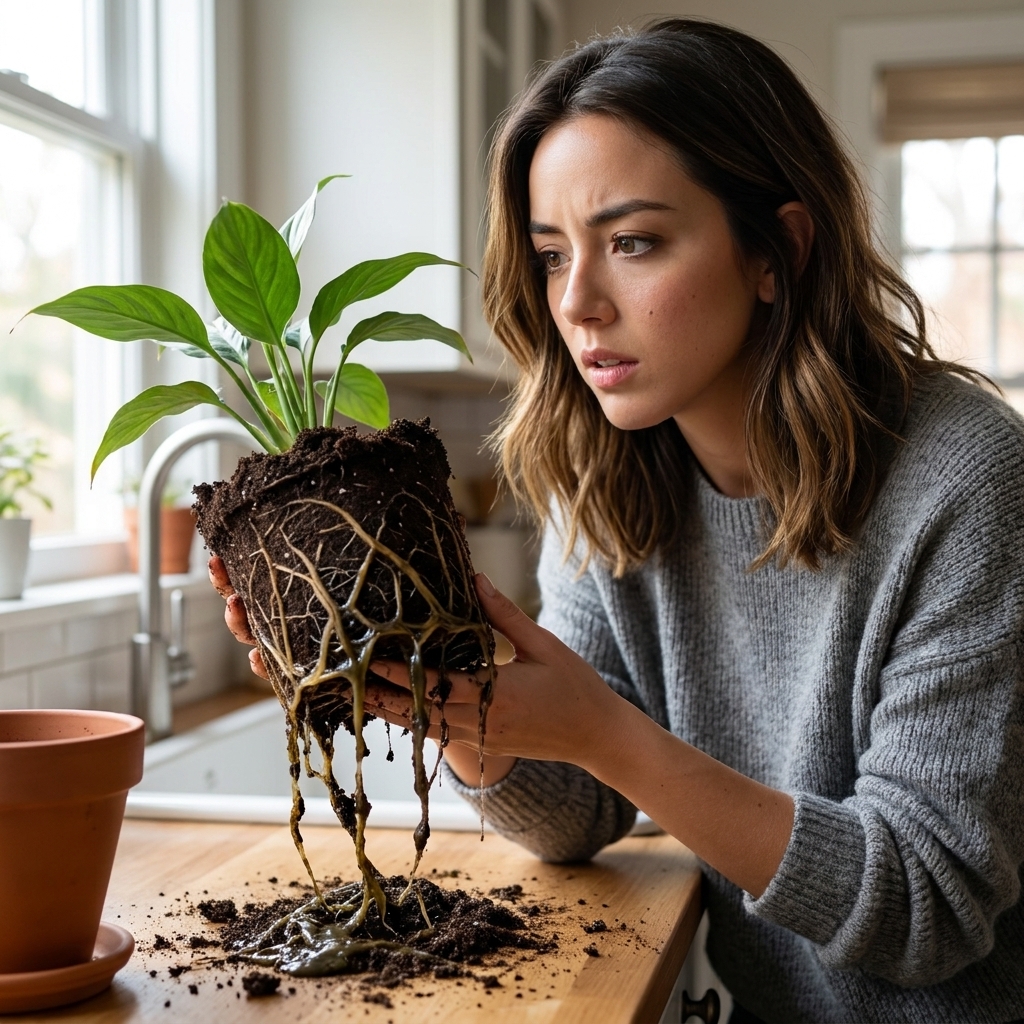
- Roots: Peek through drainage holes or slip the plant out slightly. White or tan roots are good. Dark, mushy, or smelly roots mean it is time for a rescue plan, not fertilizer.
- Pests: Check the undersides of leaves and new growth. As light increases (and many homes stay dry from HVAC), spider mites, thrips, and mealybugs are often first noticed right when plants start pushing tender new leaves.
If you find pests, deal with that first. New growth is basically a buffet.
Adjust watering gradually
The number one spring mistake I see is switching from winter watering to summer watering overnight. Your plant wakes up in stages, and your home is still catching up too. Nights can stay cool, and cold, wet potting mix slows uptake and evaporation, which raises the risk of staying soggy too long.
A simple spring watering reset
- Switch from a calendar to a soil check. Use your finger, a chopstick, or a moisture meter if that helps you stay consistent. Water when the soil has dried to the right depth for that plant. For many tropical foliage plants, that is often the top 1 to 2 inches. For snake plants, ZZ plants, and most succulents, you typically want the mix to dry most of the way down, or fully, before watering again.
- Water deeply, then drain. In spring, I want full saturation and then a clean dry down. Empty saucers and cachepots so roots never sit in water.
- Expect to water a bit more often, not a lot more often. If you were watering every 14 to 21 days in winter, spring might be every 10 to 14, depending on light and temperature.
- Use room temperature water if your home is chilly. The water temperature is not the main issue. The main issue is cool conditions plus slow dry-down. Room temperature water just helps you avoid shocking cold roots and keeps the routine gentle.
Common spring confusion: droopy leaves
If a plant droops, do not automatically water. Check the soil first.
- Dry soil and light pot: Water thoroughly.
- Damp soil and heavy pot: Hold off. Increase light, warmth, and airflow, and make sure that airflow does not mean cold drafts.
Quick spring temperature tip: window zones can get cold at night. Try to keep leaves from pressing against cold glass, and avoid placing tropicals where they catch a regular blast of chilly air.
Increase light safely
As days get longer, your plant’s energy budget changes. More light equals more growth, but also more water use. It is a package deal.
What I do in early spring
- Move plants closer to windows in small steps. Slide them a little closer every few days, especially if they were deep in the room all winter.
- Rotate weekly. Fresh spring growth leans hard toward light. A quarter turn each week keeps growth balanced.
- Clean your windows and leaves. Dust can noticeably reduce light. Wipe broad leaves with a damp cloth. For fuzzy leaves, use a soft paintbrush.
Prevent sunburn
Spring sun can be deceptively intense, especially through south or west windows. If you see bleached patches or crispy tan spots, that is often light scorch.
- Use a sheer curtain for plants that prefer bright indirect light (many aroids, calatheas, peperomias).
- Introduce direct sun slowly for sun lovers (many succulents, some cacti, many hoyas) so leaves can acclimate.

Repot only when needed
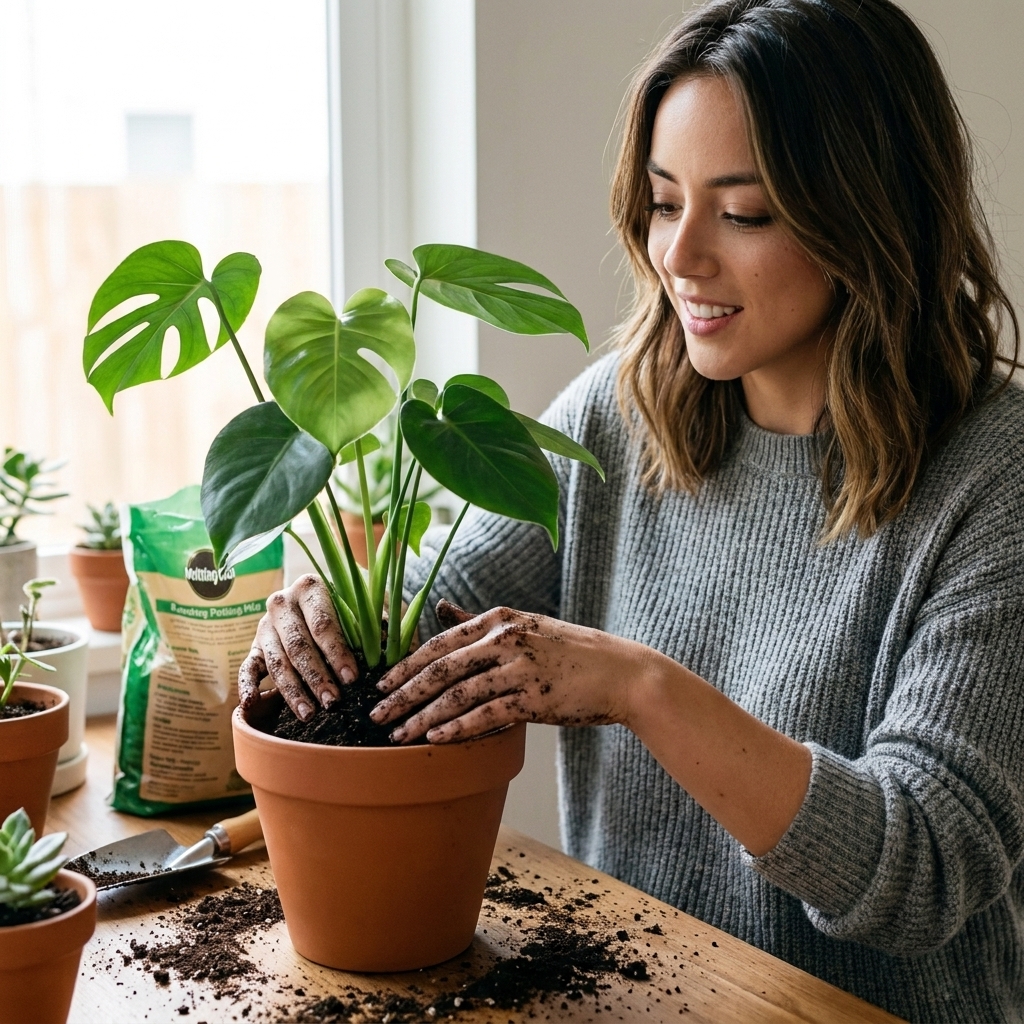
Spring is prime time for repotting because roots recover faster when a plant is actively growing. But repotting is optional, not mandatory. A healthy plant can stay in the same pot for a long time if watering and soil are working.
Signs your plant wants a repot
- Roots circling the pot or coming out of drainage holes
- Water running straight through without wetting the soil
- The plant dries out much faster than it used to, even with good light
- Stunted growth during the growing season despite proper light
How to repot without stress
- Only go 1 to 2 inches wider. Oversizing is a fast track to soggy soil and root rot.
- Choose a pot with drainage. If you love decorative pots, use them as cachepots and keep the plant in a nursery pot inside.
- Refresh soil, do not overpack it. Roots need air. Gently firm the soil, but do not compress it.
- Water once, then return to soil checks. After repotting, water thoroughly and let the plant settle. Then go back to checking moisture and letting the mix dry down appropriately. In very airy mixes, that might mean you are checking sooner than you expect.
My rule of thumb: If you are repotting because you feel guilty, stop. Repot because the plant’s roots or soil are asking for it.
Refresh soil without repotting
If the pot size is still fine, you can still give your plant a spring boost.
- Top-dress: Remove the top inch or two of old soil and replace it with fresh mix. This helps with nutrients and improves water absorption.
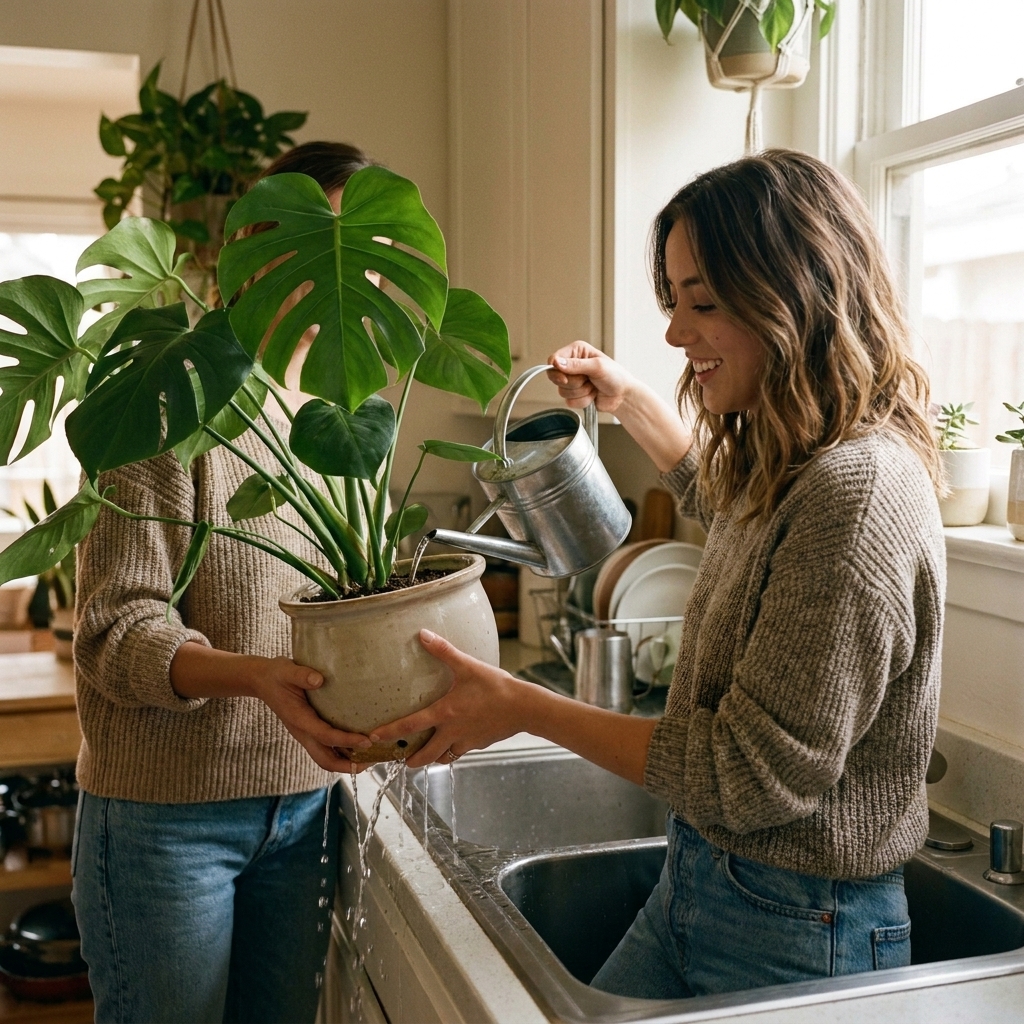
- Flush salts: If you fertilized last year or have hard water, salts can build up. Once in spring, slowly run water through the pot in a sink so that a few pot-volumes flow through (roughly 2 to 4 times the container volume), then let it drain completely. Do not leave the pot sitting in the runoff.
- Check drainage: Make sure the soil has not compacted into a brick. If it has, gently aerate the top layer with a chopstick, being careful not to spear roots.
Fertilizer: start light
I know fertilizer feels like the “on” switch for spring. But if you push nutrients before your plant is truly growing, you can stress roots and make pest pressure harder to manage. Gentle and consistent wins.
My spring feeding approach
- Wait for signs of active growth. Look for new leaves, longer vines, or fresh shoots.
- Use a balanced fertilizer at half strength. Apply every 2 to 4 weeks during active growth for most foliage plants, adjusting to your product instructions.
- Do not fertilize stressed plants. If a plant is recovering from overwatering, pests, or repotting shock, stabilize first.
If you prefer a low-maintenance routine, a slow-release fertilizer can work well in spring. Just be sure it is appropriate for indoor containers and do not double up with liquid feedings.
Prune and train for fuller growth
Spring pruning is less about making your plant look perfect and more about directing energy where you want it.
What to prune in spring
- Dead or yellowing leaves: Snip close to the stem with clean scissors.
- Leggy stems: For vining plants like pothos and philodendron, cutting above a node encourages branching.
- Damaged growth: If a leaf is mostly crispy or torn, it is okay to remove it so the plant can focus on new growth.
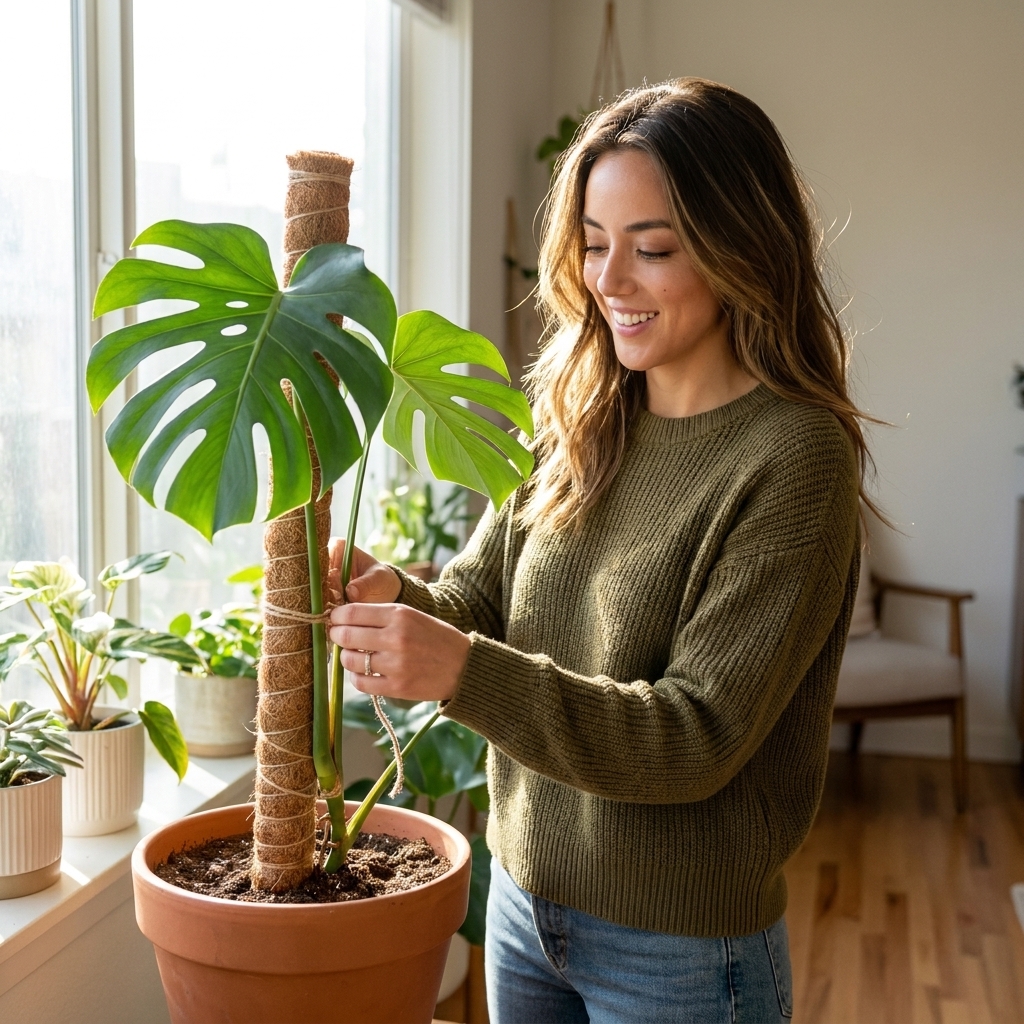
Add support early
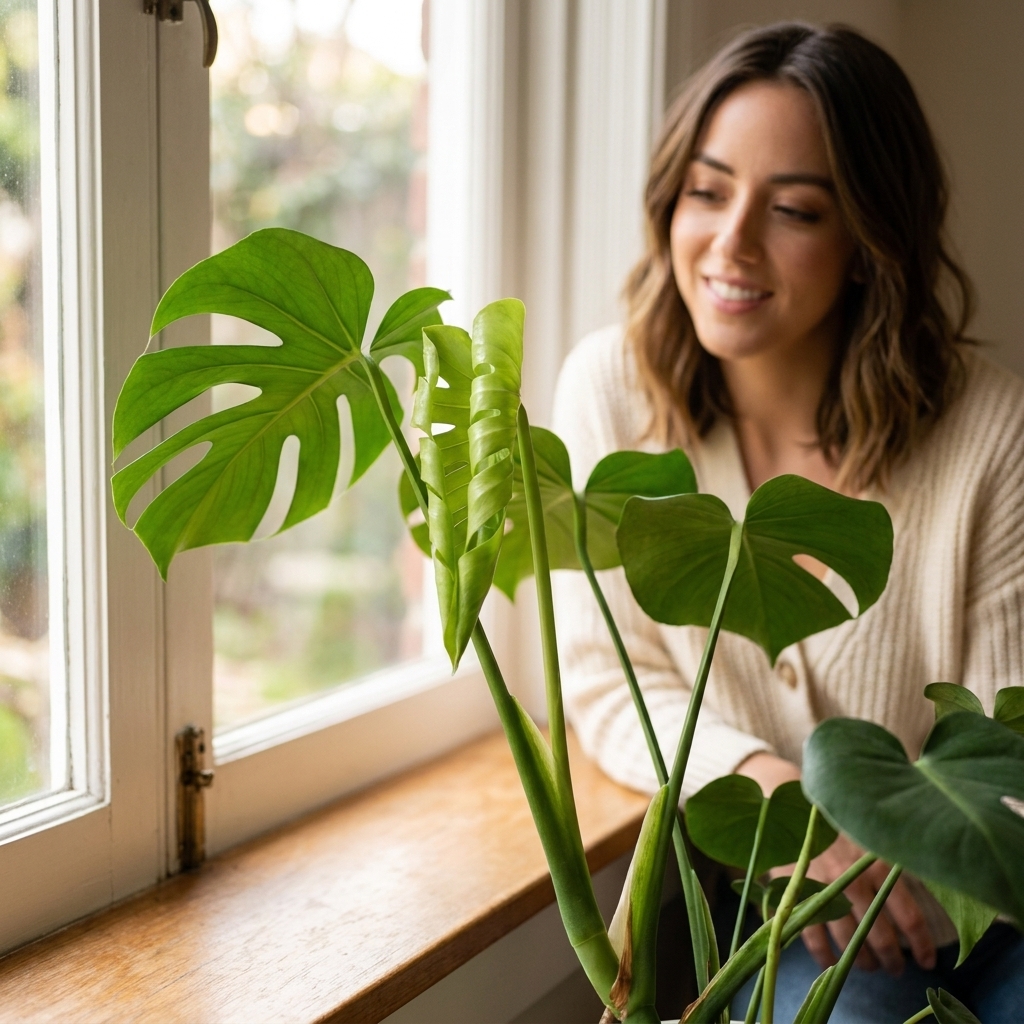
If you grow monstera, philodendron, or other climbers, spring is the easiest time to add a moss pole or trellis because the plant will attach as it grows. Secure stems gently with soft ties and avoid constricting them.
Spring propagation
Propagation is easier in spring because cuttings root faster when the plant is actively growing. This is also the least guilt-filled way to fix a leggy plant. You are not ruining it, you are multiplying it.
Easy spring propagations
- Pothos and philodendron: Take a cutting with at least one node. Root in water or moist sphagnum. Pot up once you have several roots that are a few inches long, ideally with some branching, for a smoother transition to soil.
- Spider plant: Snip and root plantlets when they have small nubs or starter roots.
- Tradescantia: One of the fastest. Cut, stick into soil, keep evenly moist for a week or two.
A quick rooting tip
Bright indirect light and warmth matter more than fancy products. If your cuttings stall, move them closer to a window or add a small grow light.

Spring pest prevention
Pests love spring for the same reason plants do: fresh, tender growth. The best prevention is consistency, not panic spraying.
- Rinse and inspect weekly for a month. A quick shower or sink rinse knocks down early infestations.
- Wipe leaves. Especially for plants that collect dust.
- Quarantine new plants. Keep newcomers separate for 2 weeks if possible.
- Use a gentle first line: Insecticidal soap (follow the label) is a solid option for soft-bodied pests. If you use castile soap, keep it very dilute (about 1 teaspoon per quart of water is a cautious starting point), test a small area first, and avoid strong sun right after treatment. You can also rinse the plant after 10 to 15 minutes to reduce the chance of leaf burn.
If you see pests returning quickly, increase the frequency of inspections and treatments rather than jumping to stronger products immediately. Most infestations are won with repetition.
Spring care by plant type
Low light foliage (ZZ plant, snake plant, many dracaenas)
- Increase light if you can, but keep watering conservative.
- These are the plants most often overwatered in spring. Let the soil dry well between waterings.
Tropical humidity lovers (calatheas, marantas, some ferns)
- Watch water quality and drafts. Spring temperature swings and lingering HVAC dryness can cause leaf edge browning.
- Keep soil lightly, evenly moist, not soggy. Strong drainage is your best friend.
Succulents and cacti
- Increase light slowly to avoid scorch.
- Water deeply, then let dry completely.
- Repot only when truly rootbound, and use a gritty mix designed for fast drainage.
Climbers (monstera, pothos, philodendron, hoya)
- Prune to shape, then propagate the cuttings.
- Add support early if you want larger leaves and sturdier growth.
Your spring jumpstart checklist
- Inspect leaves, soil, and roots
- Increase light gradually and rotate weekly
- Adjust watering based on soil dryness, not the calendar
- Top-dress or repot only when signs point to it
- Start fertilizer lightly once growth begins
- Prune leggy growth and add support for climbers
- Propagate healthy cuttings for fuller pots
- Check for pests weekly in early spring
If you only do one thing this week, do this: move your plant a little closer to the light and re-learn its watering rhythm. Most spring upgrades start right there.
Spring care FAQ
Should I repot all my plants in spring?
No. Repot only the ones that are rootbound, drying out unusually fast, or stuck in compacted, depleted soil.
Repotting every plant every spring usually creates more stress than growth.
When can I start fertilizing houseplants?
When you see active growth. If your plant is still idle or your home is still cool and dim, wait. Starting at half strength is a safer ramp-up.
Why is my plant growing but the leaves are small?
Small leaves are often a light issue. In spring, plants may start growing before they are getting enough intensity. Move it closer to a window, clean the leaves, and consider a grow light if your space is very shaded.
My plant is droopy but the soil is wet. What now?
Hold off on watering. Increase light and airflow (without cold drafts), and check that the pot drains fully. If the soil stays wet for many days, consider a root check and a move to a better-draining mix.
Is it okay to prune in spring?
Yes. Spring is one of the best times to prune because plants rebound quickly. Use clean snips and make cuts just above a node for branching on vining plants.