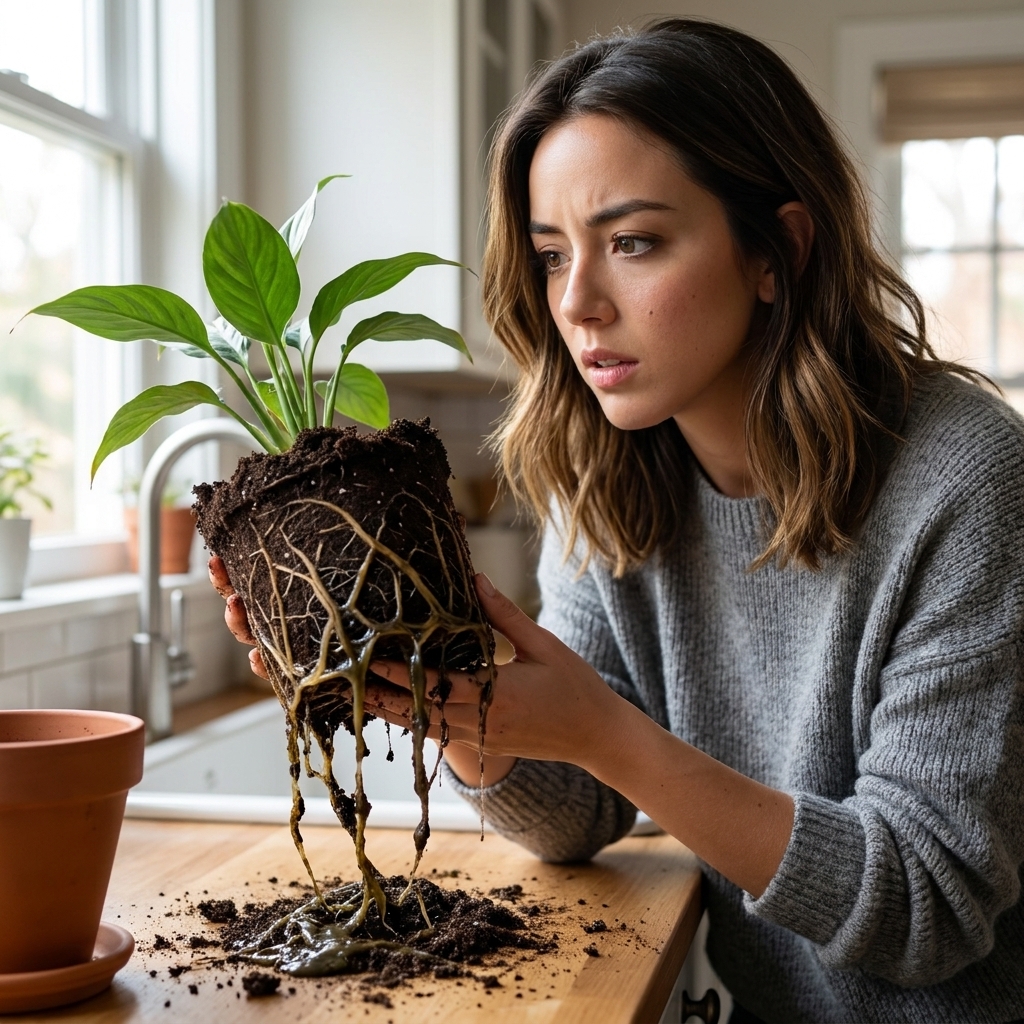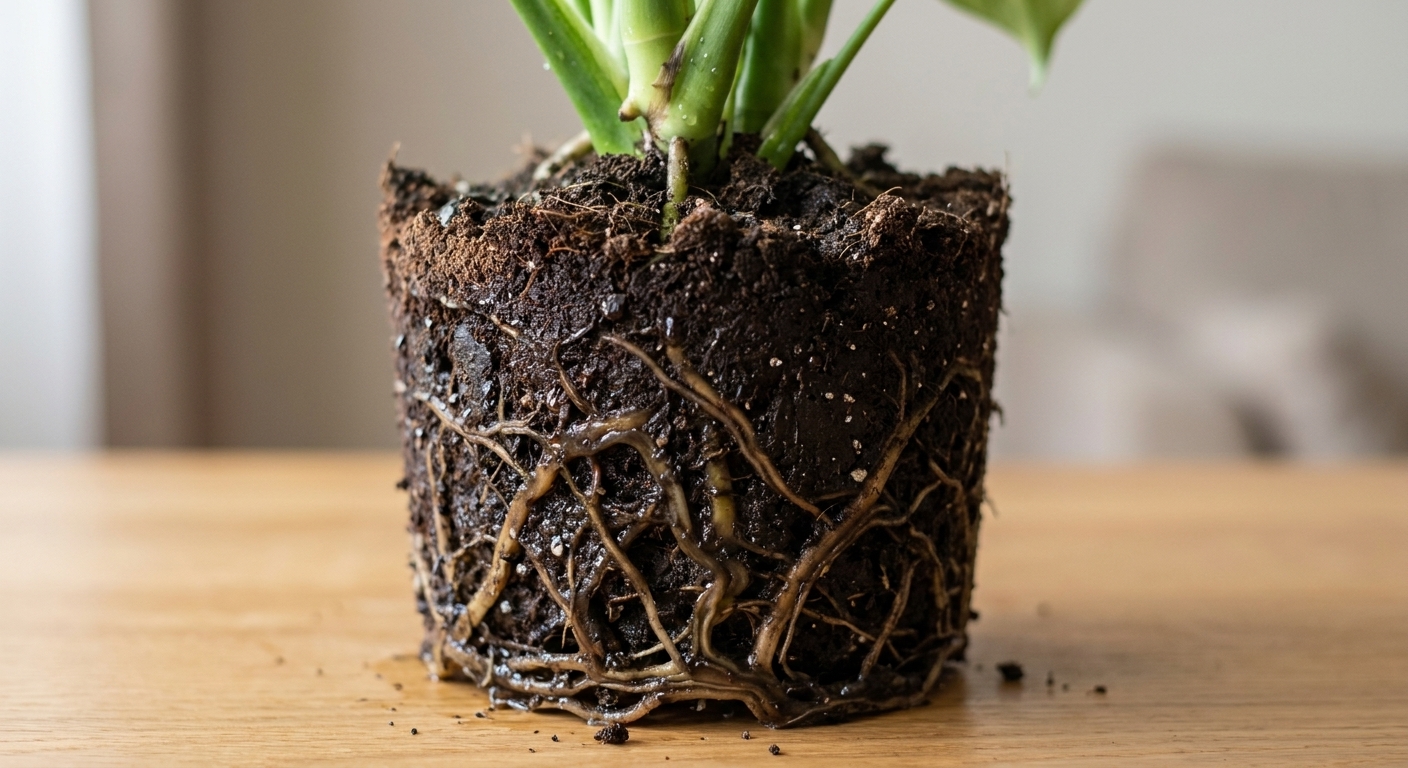
A calm, step-by-step root rot rescue: how to unpot, trim mushy roots, repot in fresh mix, and prevent future rot in any houseplant.
If you have ever wished for a houseplant that forgives missed waterings, rolls with low light, and still looks polished, you are looking for a ZZ plant (Zamioculcas zamiifolia). ZZs store water in thick rhizomes (those potato-like lumps under the soil), which is why they are famously drought-tolerant and also why overwatering is the most common way to lose one, especially when the combo is cool temperatures + wet soil.
Below are my top five ZZ plant varieties to look for, plus how to grow each one successfully at home. If you are a recovering “I loved it to death” plant parent like I was in college, consider this your permission slip to do less.
The quick ZZ care baseline
All ZZ varieties share the same core needs. Once you nail these, the variety-specific notes are just small tweaks.
- Light: Low to bright indirect light. They tolerate low light, but grow faster and fuller with more indirect light.
- Water: Water only after the soil dries out most of the way through the pot, then water thoroughly and let it drain.
- Soil: A fast-draining mix. Think potting soil cut with perlite and orchid bark, or a cactus/succulent mix made a bit richer.
- Pot: Drainage holes are non-negotiable.
- Temperature: Average home temps are great. Try to keep ZZ plants out of cold drafts and away from chilly windows in winter. Consistent stress often starts below about 55 to 60°F.
- Growth rate: Slow. New shoots can take weeks to months to appear, especially in low light or during winter.
My simplest rule: If you are unsure whether to water, wait one more week. ZZ plants would rather be dry than damp.
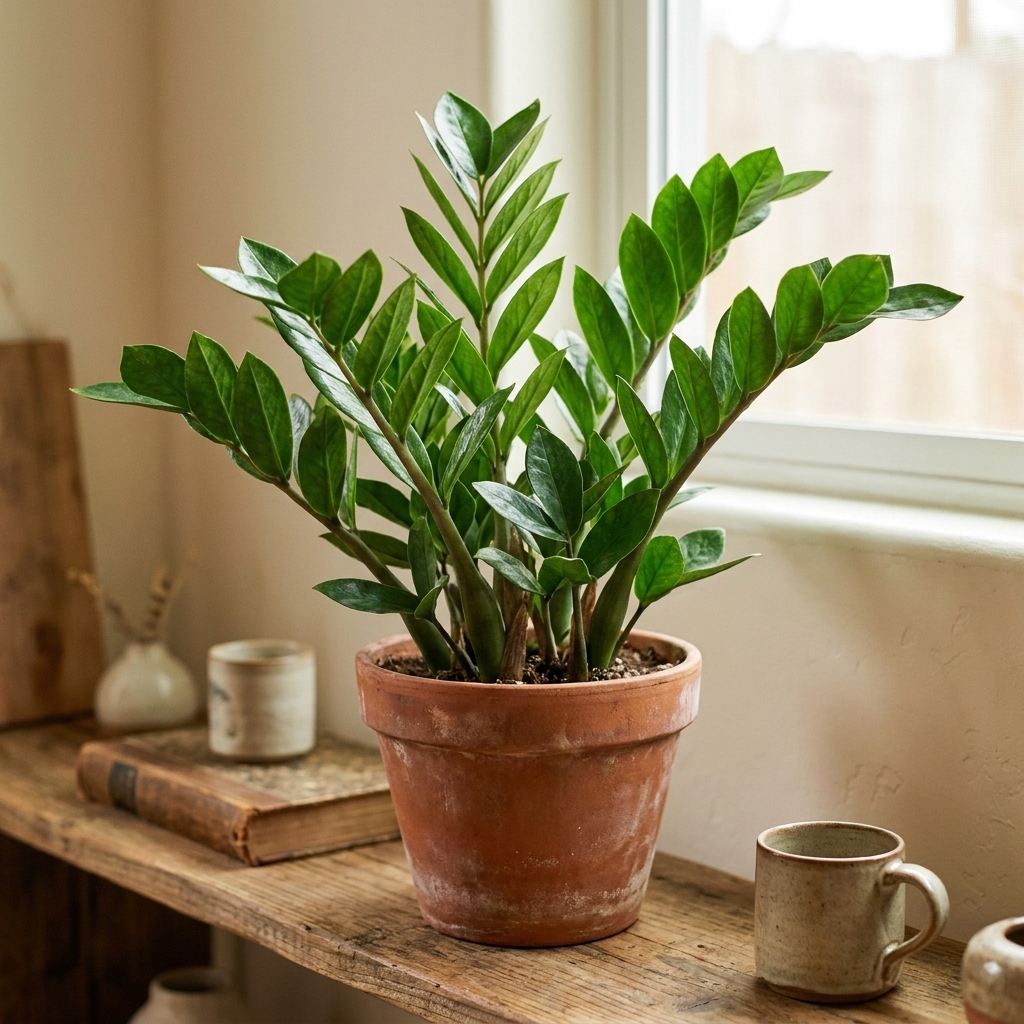
1) Classic Green ZZ (Zamioculcas zamiifolia)
This is the standard ZZ plant most of us start with: arching, upright stems with waxy, medium-green leaflets. It is the most adaptable, easiest to find, and usually the most affordable.
Why plant parents love it
- Handles low light better than most houseplants
- Rarely complains about humidity
- Excellent “starter” plant for busy schedules
Low-light tolerance
Very high. It will survive in low light rooms and corners, but expect slower growth and longer gaps between new shoots. In very dim spaces, it may lean toward the nearest light source.
Drought-tolerant watering
Let the pot dry deeply. In many homes, that means every 2 to 4 weeks, sometimes longer in winter. Instead of relying on “top 2 to 3 inches,” aim for the soil to feel dry at least halfway down (a wooden skewer works great), and use pot weight as your backup. When the pot feels noticeably lighter, soak and drain.
Best growing tips
- Rotate monthly for more even, upright growth.
- Wipe leaves occasionally. Dust blocks light and makes ZZs look dull.
- Fertilize lightly in spring and summer. Half-strength, once a month is plenty. If your plant is sitting in low light and barely growing, do not try to “fix” it with heavy fertilizer.
2) Raven ZZ
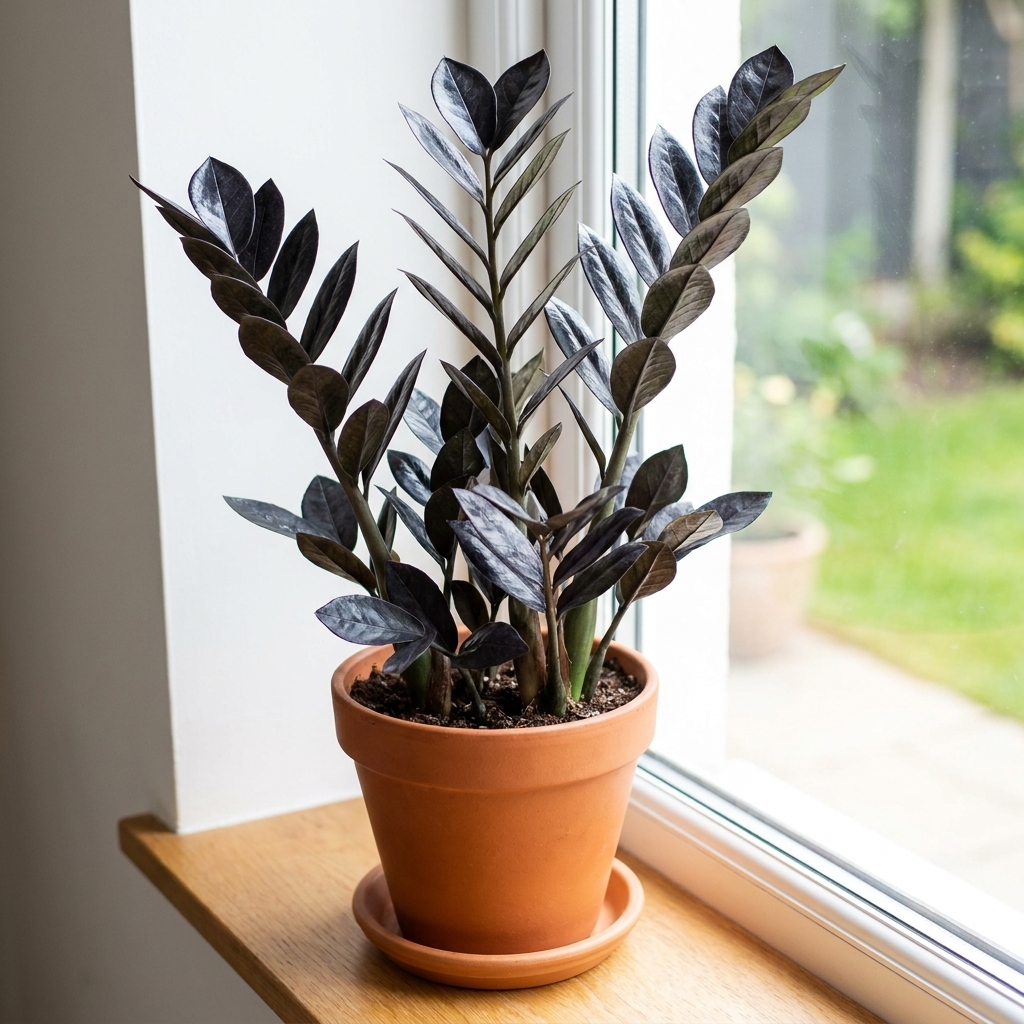
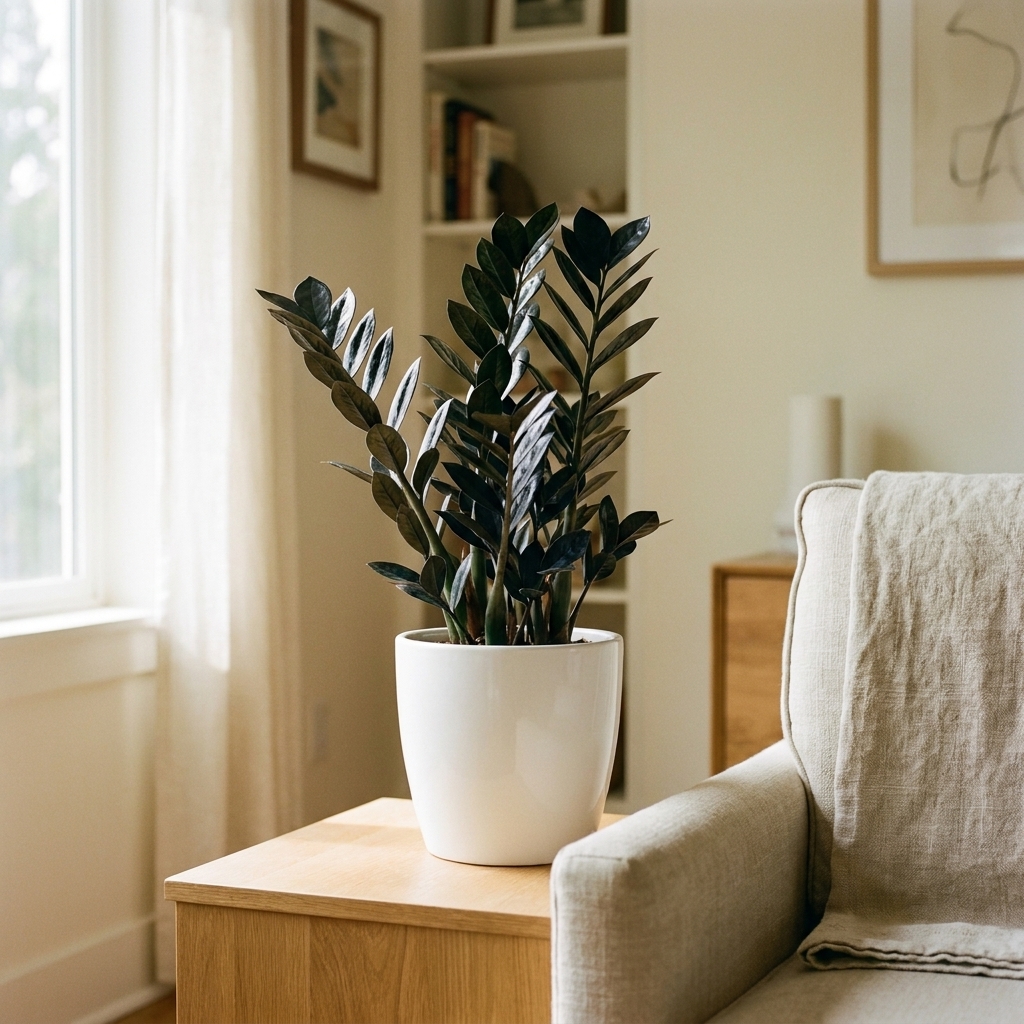
Raven ZZ is the showstopper: new growth emerges bright green, then deepens over time into a glossy, almost black color. It looks dramatic without being fussy, which is my favorite kind of plant.
Low-light tolerance
High, with a small caveat. Raven ZZ tolerates low light well, but the darkest, richest leaf color and sturdier growth usually develop best with medium to bright indirect light. In low light it will still darken, just more slowly, and growth may stretch.
Drought-tolerant watering
Same “dry-first” rule. Raven ZZ is not thirstier than green ZZ. If anything, people tend to overwater it because it looks so fancy. Let it dry most of the way through the pot, then water thoroughly.
Best growing tips
- Give it brighter indirect light if you want faster growth and, often, quicker darkening.
- Do not mist for humidity. Misting does not meaningfully raise humidity and can leave spots on leaves.
- Watch for rot signs: yellowing stems, mushy bases, or a sour smell in the pot.
3) ZZ 'Zenzi' (compact ZZ)
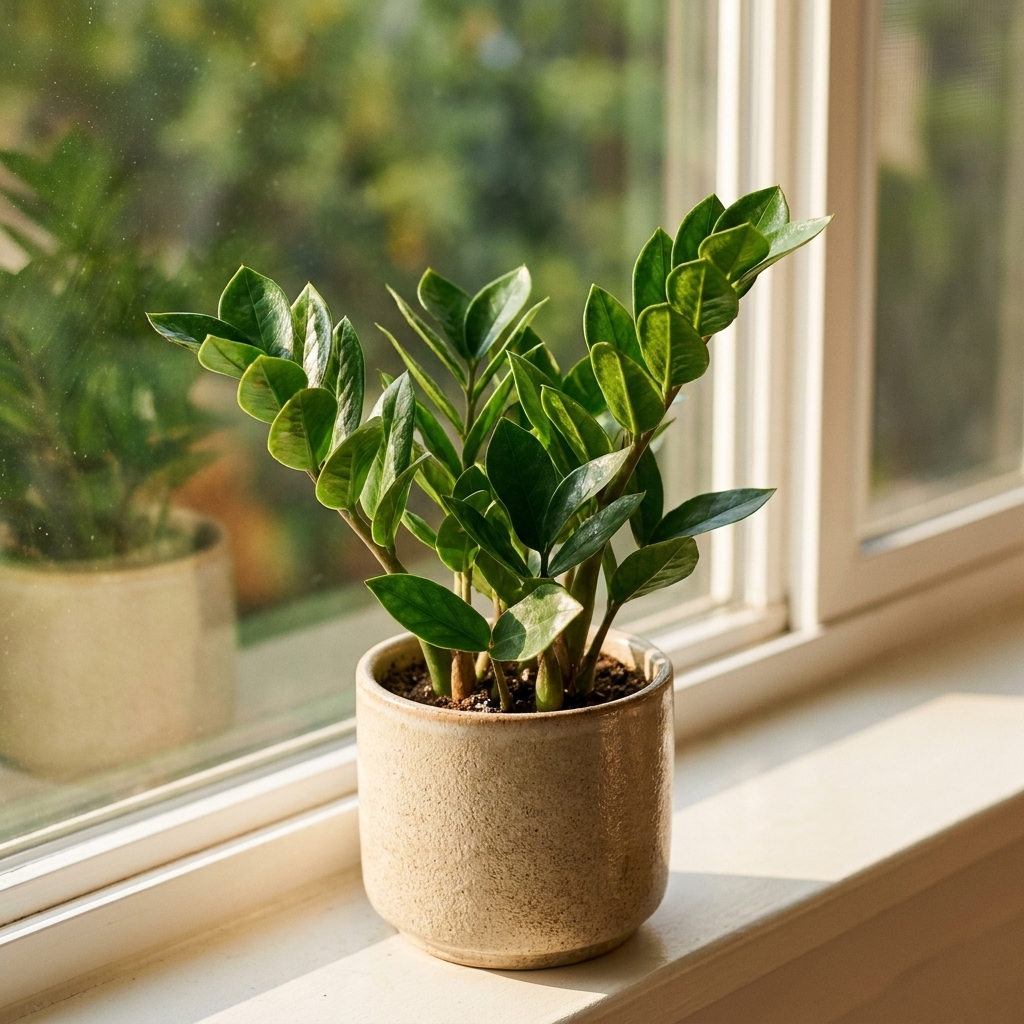
Zenzi is the compact, curly, extra-cute ZZ variety. It stays shorter, with tighter growth and slightly twisted leaflets. If you love the ZZ look but do not have floor space, Zenzi is a perfect shelf or desk plant.
Low-light tolerance
High. Like all ZZs, it tolerates low light. Because it is naturally compact, Zenzi is less likely to look “leggy,” but low light will still slow growth considerably.
Drought-tolerant watering
Same plant, same rules, trickier in practice. Zenzi is still Zamioculcas zamiifolia, but smaller pots plus slower growth can mean the soil stays moist longer. Water only when the pot is mostly dry all the way down, not just on top.
Best growing tips
- Use a smaller pot than you think. Oversized pots hold extra moisture, which is risky for ZZs.
- Bottom leaves yellowing? Check for wet soil first, not thirst.
- Be patient. Zenzi is slow. That is normal, not a failure.
4) Variegated ZZ
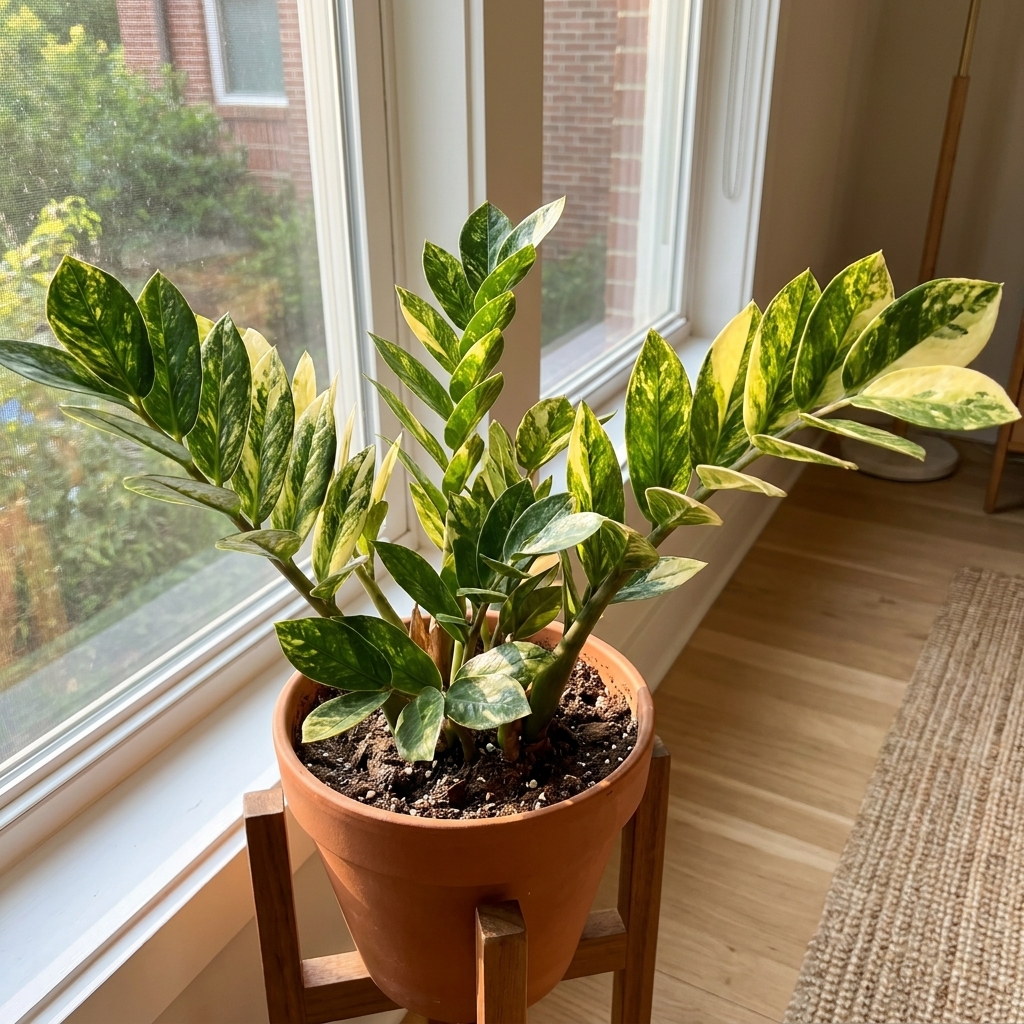
Variegated ZZ is the collector favorite: green leaves marbled with creamy yellow or pale green. Every plant (and often every stem) looks a little different, which makes it feel extra special in a home collection.
Low-light tolerance
Moderate, but not ideal. Variegation means less chlorophyll, which means the plant has less capacity to turn light into energy. Variegated ZZs do best in bright indirect light. In low light, they can stall and may produce smaller, less vigorous growth.
Drought-tolerant watering
Drought-tolerant, but slower to recover from mistakes. Stick to the dry-first routine and avoid frequent “sips.” Water deeply, then let it dry significantly before watering again.
Best growing tips
- Prioritize light. A few feet back from an east or south window (with a sheer curtain if harsh) is often perfect.
- Avoid scorching sun. Direct hot sunlight can burn the lighter variegated sections.
- Support slow growth with warmth. 65 to 80°F is the happy zone.
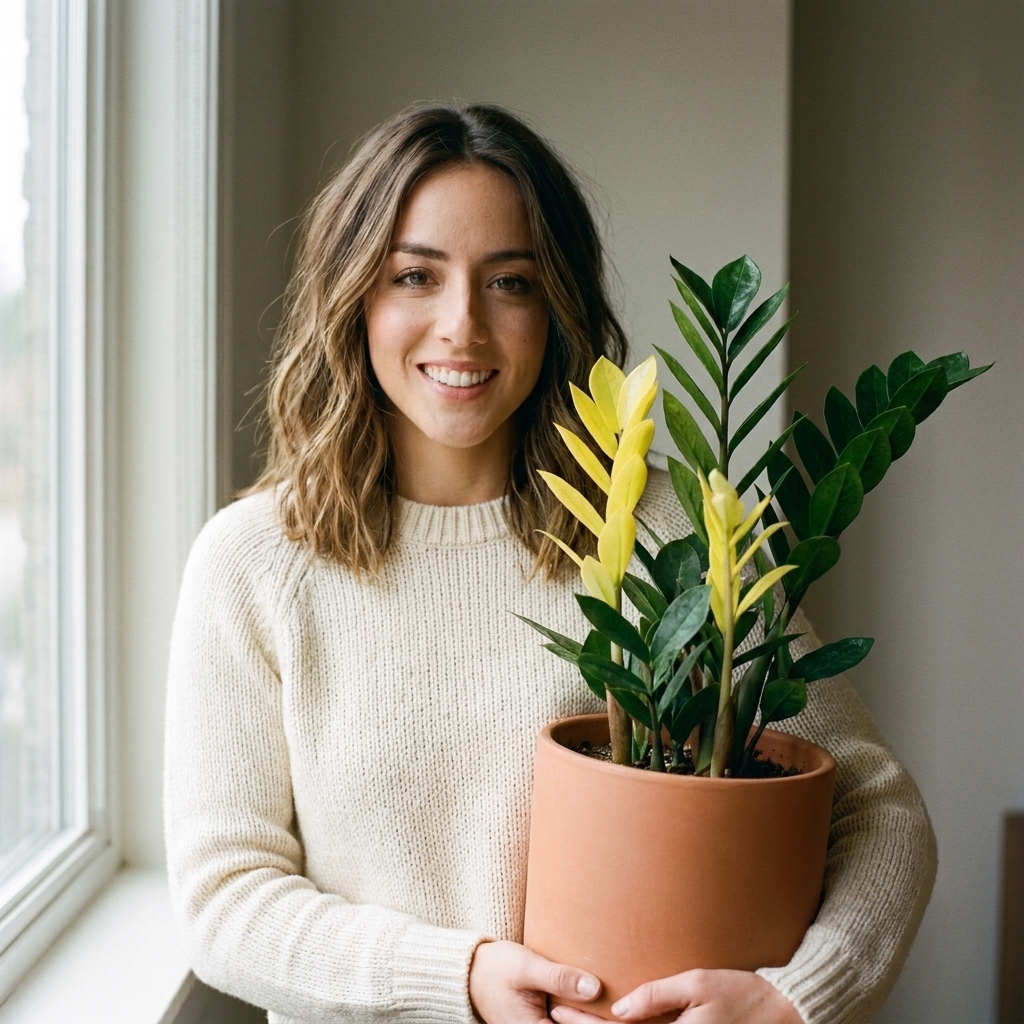
5) ZZ 'Chameleon'
Chameleon ZZ is a newer, harder-to-find type, often sold as “Chameleon,” that earns its name: new leaves emerge a bright golden-yellow and gradually shift toward green as they mature. It gives you constant color change without needing flowers or special conditions.
Low-light tolerance
Moderate. It can tolerate lower light, but the vivid color transitions show best in medium to bright indirect light. In low light, growth slows, and the plant may stay in “pause mode” longer between new shoots.
Drought-tolerant watering
Classic ZZ schedule. Let it dry substantially before watering again. The biggest risk is keeping it damp in a low-light spot.
Best growing tips
- Expect color changes to take time. New gold leaves do not stay neon forever. The shift is part of the charm.
- Do not chase the color with extra water. Light influences color and growth more than watering does.
- Acclimate slowly when moving to brighter light to avoid stress.
Light basics
ZZ plants get marketed as “low light” plants, and they truly are more tolerant than most. But I want to save you a common disappointment: low light tolerance is not the same as thriving in a dark room.
- Low light (tolerated): A few feet away from a window, or in a room with decent ambient daylight.
- Medium to bright indirect (thriving): Near a window with no harsh sun hitting the leaves directly.
- Direct sun (caution): Gentle morning sun can be fine. Hot afternoon sun through glass can scorch leaves.
If your ZZ is alive but not growing, the most common reasons are not enough light and cool winter conditions. That is normal. It will wake up again.
Watering without rot
I have a soft spot for anyone who overwaters, because that used to be me. ZZ plants are the plant that finally taught me what “too much love” looks like in real life.
How to water (my no-drama method)
- Check dryness: finger test plus pot weight, or use a wooden skewer to check deeper moisture. If it still feels heavy or the skewer comes up damp, wait.
- Water thoroughly until water runs out the drainage holes.
- Empty the saucer. ZZs should not sit in water.
- Do not water again until the soil is dry through most of the pot.
Common overwatering signs
- Yellowing leaves, especially multiple stems at once
- Mushy stems near the soil line
- Soil that stays damp for a long time indoors, which is often a warning sign in typical home conditions
- A musty or sour smell from the pot
If you suspect rot, pause watering immediately and check the roots and rhizomes. Firm rhizomes are good. Soft, dark, or smelly rhizomes should be trimmed away, then repotted into fresh, airy mix.
Potting mix and repotting
ZZ plants do not need frequent repotting. In fact, they often prefer being slightly snug.
My favorite ZZ soil recipe
- 2 parts indoor potting mix
- 1 part perlite or pumice
- 1 part orchid bark (or extra perlite if that is what you have)
Repot when you see rhizomes pushing up hard against the pot, roots circling densely, or the plant drying out much faster than it used to. Size up only 1 to 2 inches wider.
Pests and cleanup
ZZ plants are not magnets for pests, but they are not immune either. A quick leaf wipe is both beauty routine and pest prevention.
- What to watch for: mealybugs, scale, and spider mites.
- My habit: when you water, take 20 seconds to scan the stems and leaflet undersides.
- If you see pests: isolate the plant, wipe what you can, and treat with insecticidal soap or horticultural oil, repeating weekly for a few rounds.
Propagation basics
If you ever get the itch to make more ZZ plants, you have options, and all of them reward patience.
- Fastest: division when repotting. Separate a clump so each section has rhizomes and roots.
- Slow but doable: leaf or stem cuttings. They can root and form new rhizomes, but it can take months.
ZZ plant FAQ
Are ZZ plants really drought-tolerant?
Yes. Their rhizomes store water, so they can handle missed waterings far better than most houseplants. Drought-tolerant does not mean “never water,” but it does mean “water less often than you think.”
Which ZZ variety is best for low light?
The classic green ZZ is the most forgiving in low light, with Raven ZZ close behind. Variegated and Chameleon types prefer brighter indirect light to stay vigorous.
Do ZZ plants grow faster in brighter light?
Yes. Bright indirect light speeds up growth, increases the chance of new shoots, and helps plants stay more upright and full.
Is ZZ plant toxic to pets?
Yes. ZZ plants contain calcium oxalate crystals, which can cause mouth irritation and drooling if chewed. Keep them out of reach of cats, dogs, and curious kids, and consider a higher shelf or a room pets do not access.
My closing pep talk
If you want a plant that lets you learn at your own pace, ZZ plants are it. Pick the variety that makes you smile, put it in the brightest spot you can manage without harsh sun, and then practice the hardest indoor gardening skill of all: leave it alone.