A practical, plant-parent friendly breakdown of bottom vs. top watering, plus the best method for common houseplants and the mistakes that cause root rot and...
Yellow leaves can feel like a betrayal, especially when you swear you have been doing everything “right.” I have been there. In college I loved my first succulents straight into the afterlife with too much water, and the guilt was real.
Here is the good news: yellowing leaves are not a moral failing. They are a clue. Your job is to figure out which clue it is, then make one calm, targeted change.
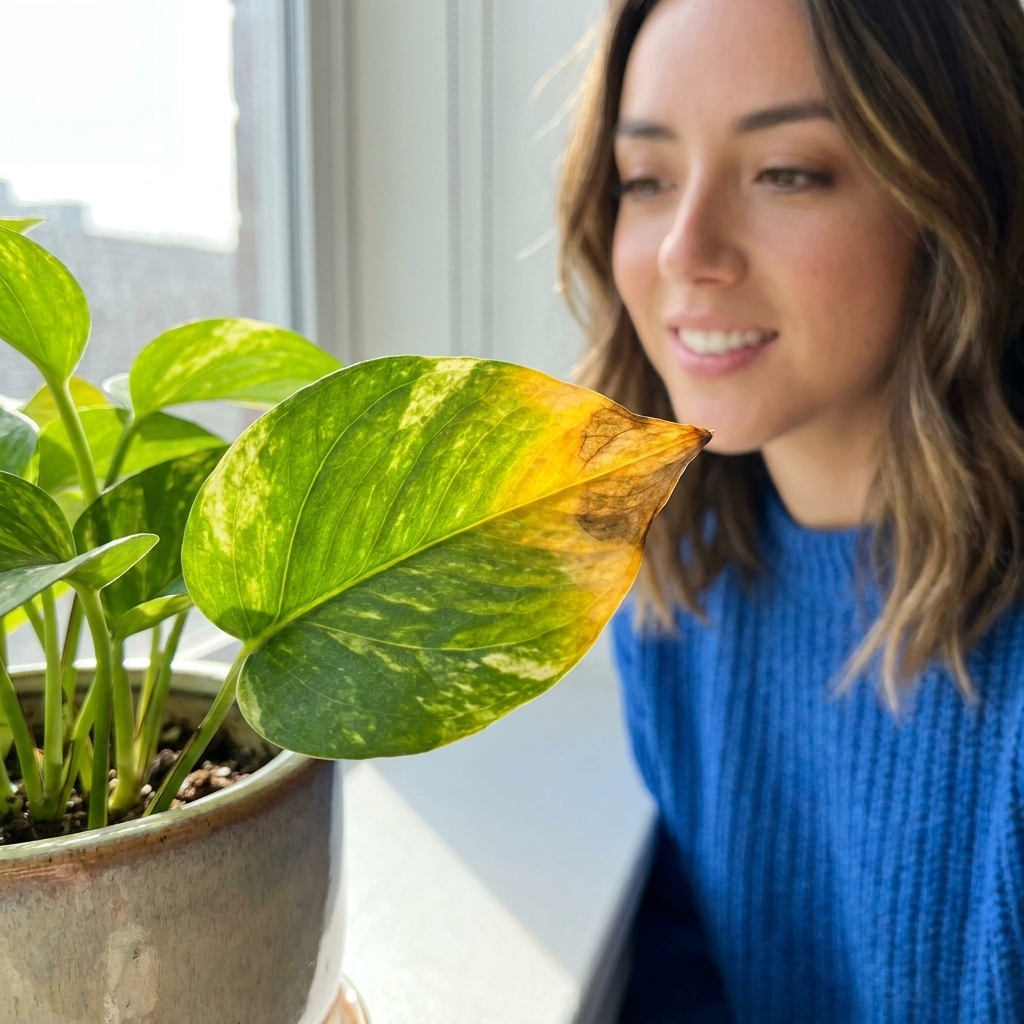
Below are the 7 most common reasons indoor plant leaves turn yellow, how to tell them apart, and what to do next.
Before you troubleshoot: is it just an old leaf?
Sometimes yellow is normal. Many houseplants regularly shed older leaves as they grow, especially the lowest leaves that get the least light.
- Normal aging usually affects one or two of the oldest, lowest leaves at a time.
- The rest of the plant looks healthy, with new growth coming in normally.
- The yellow leaf often fades evenly, then dries and drops.
If you are seeing multiple leaves yellowing quickly, yellowing on new growth, or yellowing plus soft stems, spots, or droop, keep going. That is your plant asking for a real adjustment.
1) Overwatering (the most common culprit)
If I could put a sticky note on every watering can, it would say: “Most indoor plants die from love.” Overwatering starves roots of oxygen, and stressed roots cannot support healthy green foliage. Yellow leaves are often the first warning.
What it looks like
- Lower leaves turn yellow first
- Leaves may feel soft or look a little translucent
- Soil stays wet for days, and the pot feels heavy
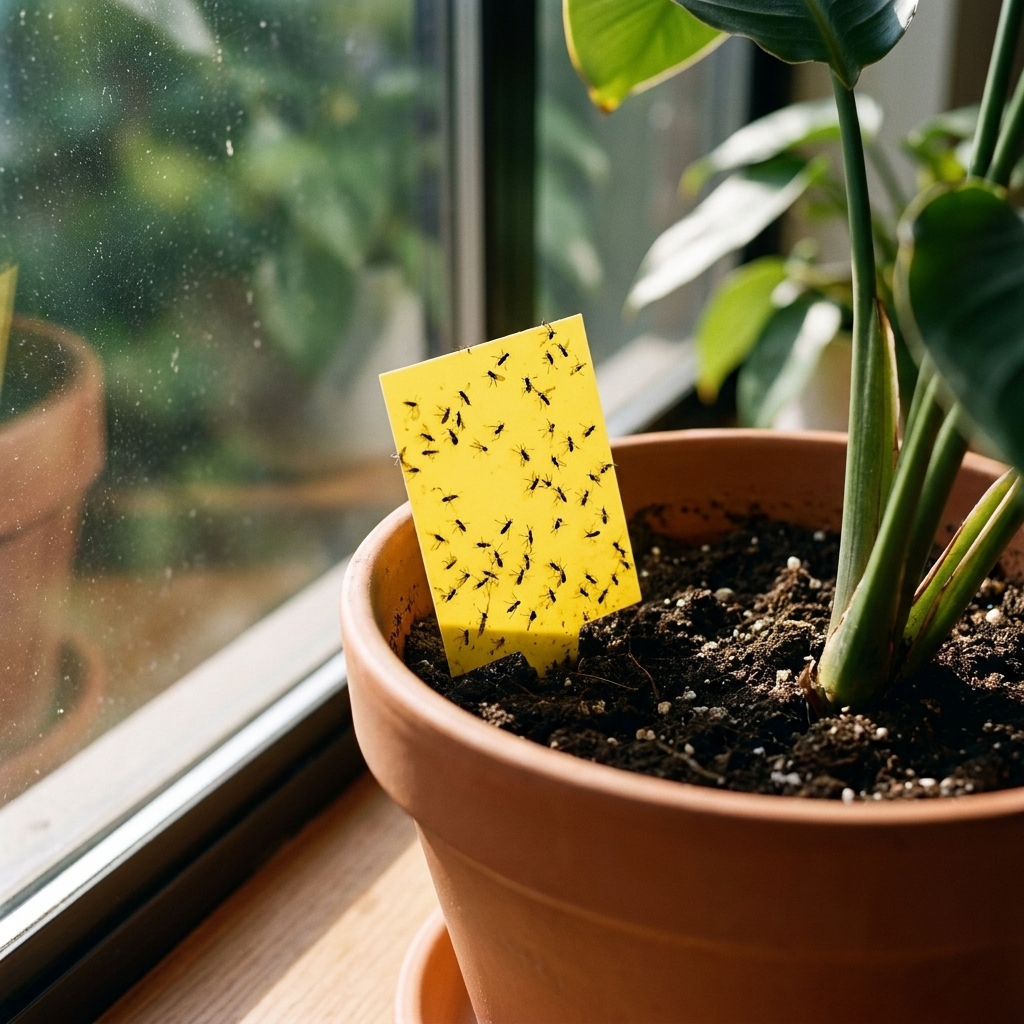
- You may notice fungus gnats hovering around the soil surface
Quick checks
- Stick your finger 2 inches into the soil. If it feels wet or cool, wait.
- Lift the pot. If it is still heavy days after watering, drainage or soil is likely the issue.
Fix it
- Pause watering until the top 1 to 3 inches of soil are dry (plant dependent).
- Empty the saucer after watering. Roots should not sit in runoff.
- Improve airflow and light slightly if possible to help the mix dry.
- If the plant is staying wet for a long time, repot into a faster-draining mix and a pot with a drainage hole.
Tip: If yellowing is paired with a funky smell or mushy stems, jump to the root rot section below.
2) Underwatering (yes, that can yellow leaves too)
When a plant goes too dry for too long, it may drop leaves to reduce water loss. That leaf drop often starts with yellowing.
What it looks like
- Soil pulls away from the pot edges and feels dusty
- Leaves yellow, then turn crisp and brown at the edges
- Plant may droop, but perks up temporarily after watering
Fix it
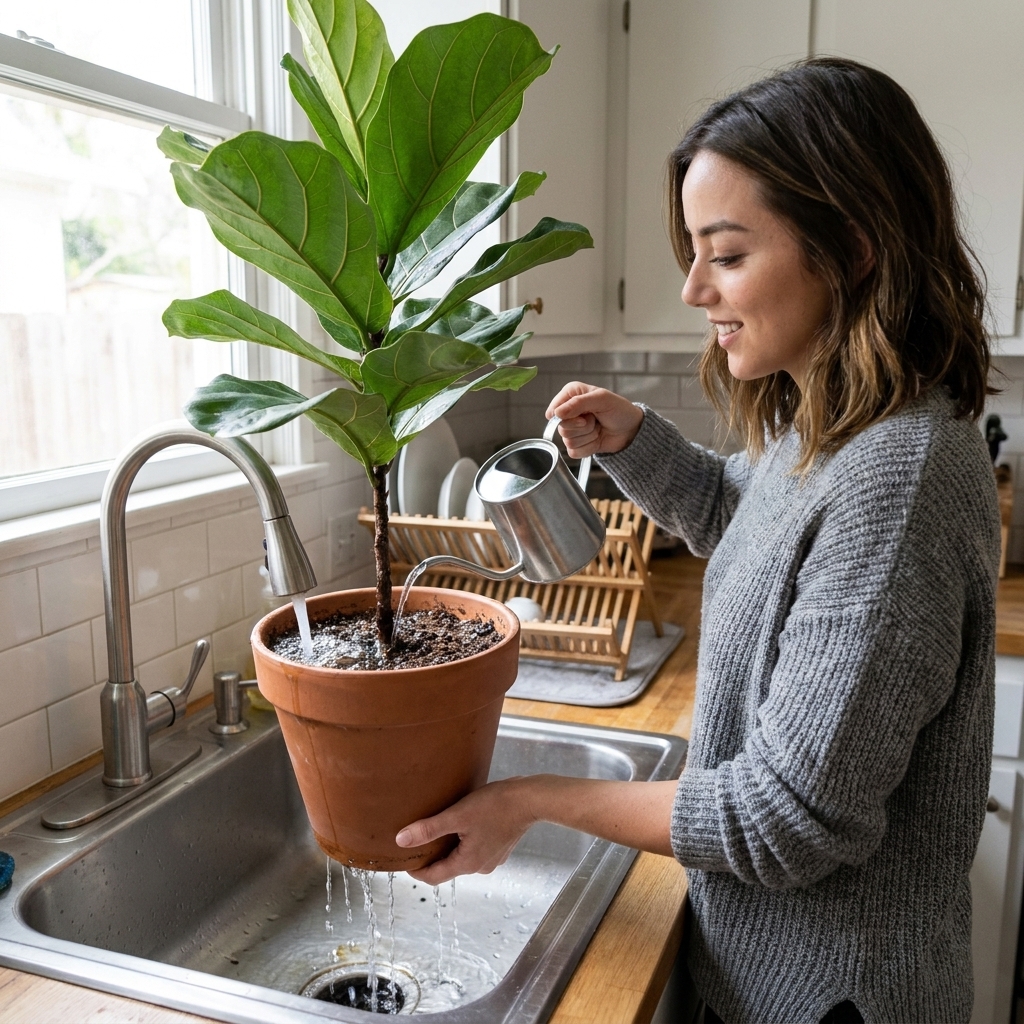
- Rehydrate thoroughly: water until it runs out the drainage hole, then empty the saucer.
- If water races through and the soil stays dry, bottom-water for 20 to 40 minutes so the root ball can soak evenly.
- Adjust your routine: water based on soil dryness, not the calendar.
3) Poor drainage and compacted soil
Sometimes you are not overwatering, the pot and soil are just holding onto water too long. Many plants are sold in peat-heavy mixes that collapse over time, leaving roots sitting in a damp sponge.
What it looks like
- Yellowing that keeps happening even when you water “carefully”
- Soil surface may look fine, but deeper soil stays wet
- Water pools on top before slowly soaking in
Fix it
- Switch to a pot with a drainage hole if yours does not have one.
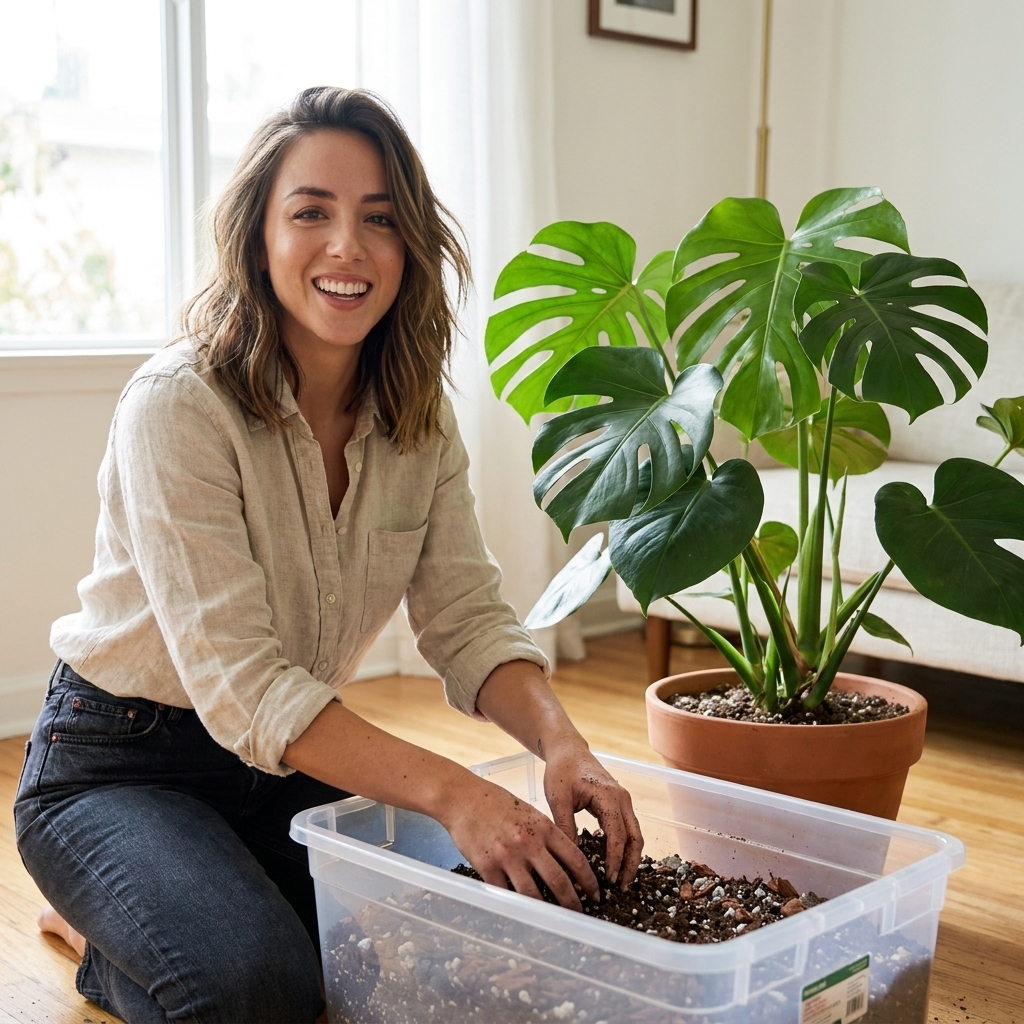
- Repot into a chunky, breathable mix suited to your plant type. Many tropical foliage plants do well with a blend that includes potting mix plus orchid bark and perlite.
- After repotting, water once to settle soil, then let it dry appropriately before watering again.
4) Too much sun (leaf scorch can start as yellow)
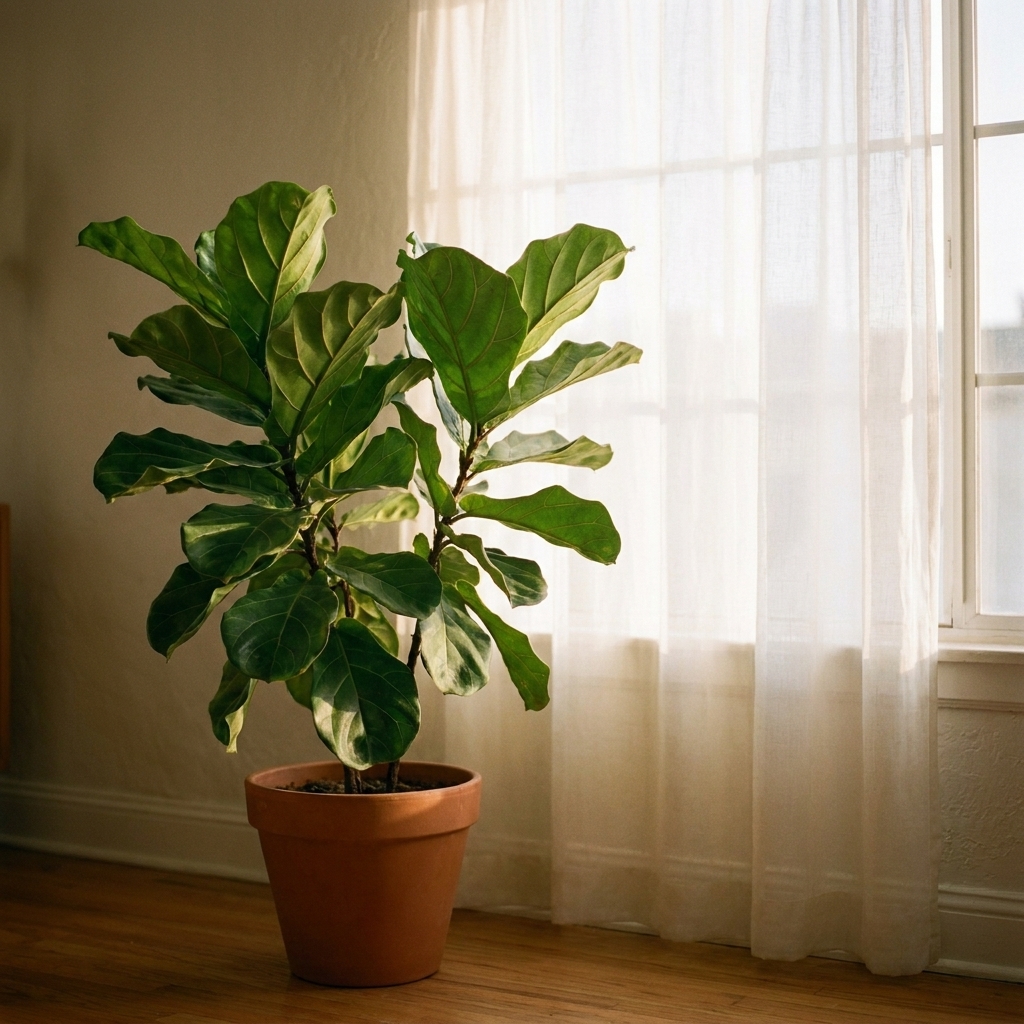
Bright light is wonderful. Harsh direct sun through a window can be a different story, especially for low-light favorites like pothos, philodendron, and many calatheas.
What it looks like
- Yellowing on the side facing the window
- Yellow patches may turn tan or papery
- Damage is often localized rather than all over the plant
Fix it
- Move the plant back a few feet from the window, or use a sheer curtain.
- Rotate the pot weekly for even exposure.
- Trim severely scorched leaves once you see stable new growth. They will not turn green again.
5) Too little light (slow decline yellowing)
In low light, plants photosynthesize less, which means they use water more slowly and grow more slowly. That combination can lead to yellowing over time, and it can also make overwatering easier to do.
What it looks like
- Leggy, stretched growth with longer gaps between leaves
- Leaves slowly yellow and drop, often starting lower down
- Soil stays wet longer than it used to
Fix it
- Move the plant closer to a bright window with indirect light.
- Consider a simple grow light for darker apartments, especially in winter.
- Reduce watering frequency until the plant is getting more light and using water faster.
6) Nutrient issues (deficiency or fertilizer burn)
Yellow leaves can mean your plant is hungry, or it can mean it has been overfed. The pattern helps you tell the difference.
Signs of nutrient deficiency
- Overall pale color, slower growth
- Older leaves yellow first (common with nitrogen deficiency)
- Some plants show yellowing between veins on newer leaves (often linked to iron or magnesium issues)
Fix it
- During active growth (often spring through early fall), feed with a balanced houseplant fertilizer at half strength every 4 to 6 weeks.
- If the plant has not been repotted in 1 to 2 years, consider fresh potting mix to refresh nutrients and improve structure.
Signs of fertilizer burn
- Yellowing plus crispy brown tips
- White crust on soil surface or pot rim
- Sudden decline after fertilizing
Fix it
- Flush the soil: water slowly and thoroughly several times, letting it drain fully.
- Pause fertilizing for 4 to 6 weeks.
- If buildup is severe, repot with fresh mix.
7) Pests or root rot (the “check this now” category)
If yellowing comes with stippling, stickiness, webbing, or a plant that will not recover after watering adjustments, look closer. Hidden pests and root rot are common indoors, and both are very treatable when caught early.
Pests that can cause yellowing
- Spider mites: tiny pale speckles, fine webbing, leaf yellowing and drop
- Thrips: silvery streaking, distorted new growth, tiny dark specks (frass)
- Mealybugs/scale: sticky leaves, cottony clusters or raised bumps on stems
Fix it
- Isolate the plant.
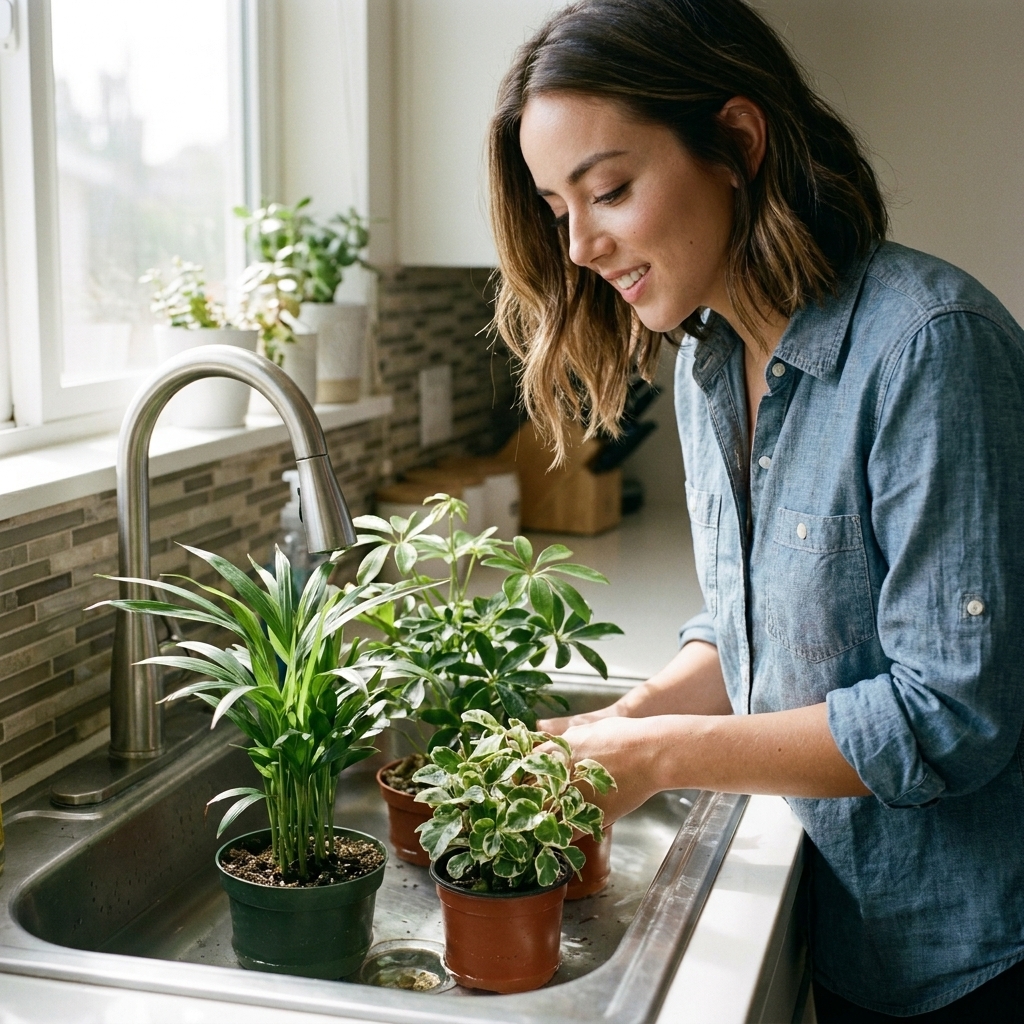
- Rinse foliage in the shower or sink, especially the undersides of leaves.
- Treat with insecticidal soap or horticultural oil, repeating every 7 to 10 days for several rounds.
Root rot red flags
- Persistent yellowing and wilting even when soil is wet
- Soft stems near the soil line
- Musty smell
Fix it
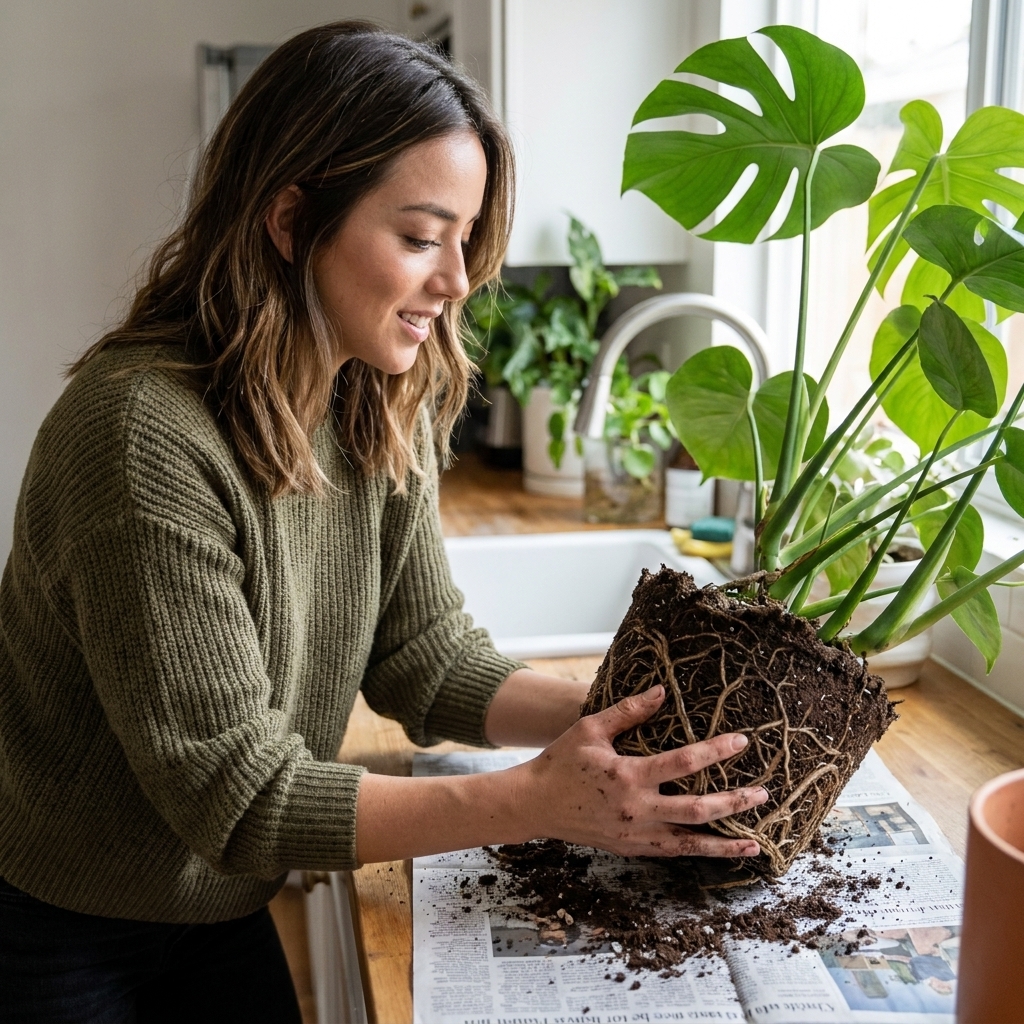
- Unpot the plant and inspect roots. Healthy roots are usually firm and light-colored. Rotting roots are dark, mushy, and may slough off.
- Trim away rotten roots with sterilized scissors.
- Repot into fresh, well-draining mix and a clean pot with drainage.
- After repotting, water lightly, then wait for appropriate dry-down before watering again.
Fast diagnosis (simple flow)
- Feel the soil. Wet for days points to drainage or overwatering. Bone dry points to underwatering.
- Look at which leaves are yellow. Old lower leaves can be normal or watering-related. New growth yellowing can suggest light or nutrient issues.
- Check the light. Has the season changed, or did you move the plant?
- Inspect for pests. Flip leaves over. Look along stems and in leaf joints.
- Smell and inspect the root zone if the plant keeps declining.
If you only change one thing, start with watering and drainage. It solves a surprising number of yellow-leaf mysteries.
What to do with yellow leaves
A yellow leaf will not turn green again. Think of it like a receipt for stress that already happened.
- If the leaf is mostly yellow, you can snip it off at the base of the stem with clean scissors.
- If it is only lightly yellow and still firm, you can leave it until you are sure the plant is stabilizing.
- Always remove leaves that are mushy or moldy to prevent secondary issues.
FAQ
Why are my plant’s leaves turning yellow and dropping?
Most often: watering issues, especially overwatering, plus low light. Check soil moisture, confirm the pot has drainage, and look for pests. If multiple leaves drop quickly and stems feel soft, inspect roots for rot.
Why are only the bottom leaves turning yellow?
That is commonly normal aging or a watering signal. If it is one or two older leaves at a time and new growth looks good, it is probably normal. If many lower leaves yellow at once, look at overwatering, low light, or compacted soil.
Should I fertilize a plant with yellow leaves?
Only if watering, drainage, and light are already dialed in. Fertilizer will not fix root stress, and feeding a struggling plant can make things worse. If the plant is stable and growing, a gentle half-strength feed can help if deficiency is the issue.
A final pep talk
If your plant has yellow leaves, you are not a “black thumb.” You are a plant parent who is learning the language. Make one change, give it a week or two to respond, and keep notes. That calm, observant approach is what turns a home into a real green sanctuary.