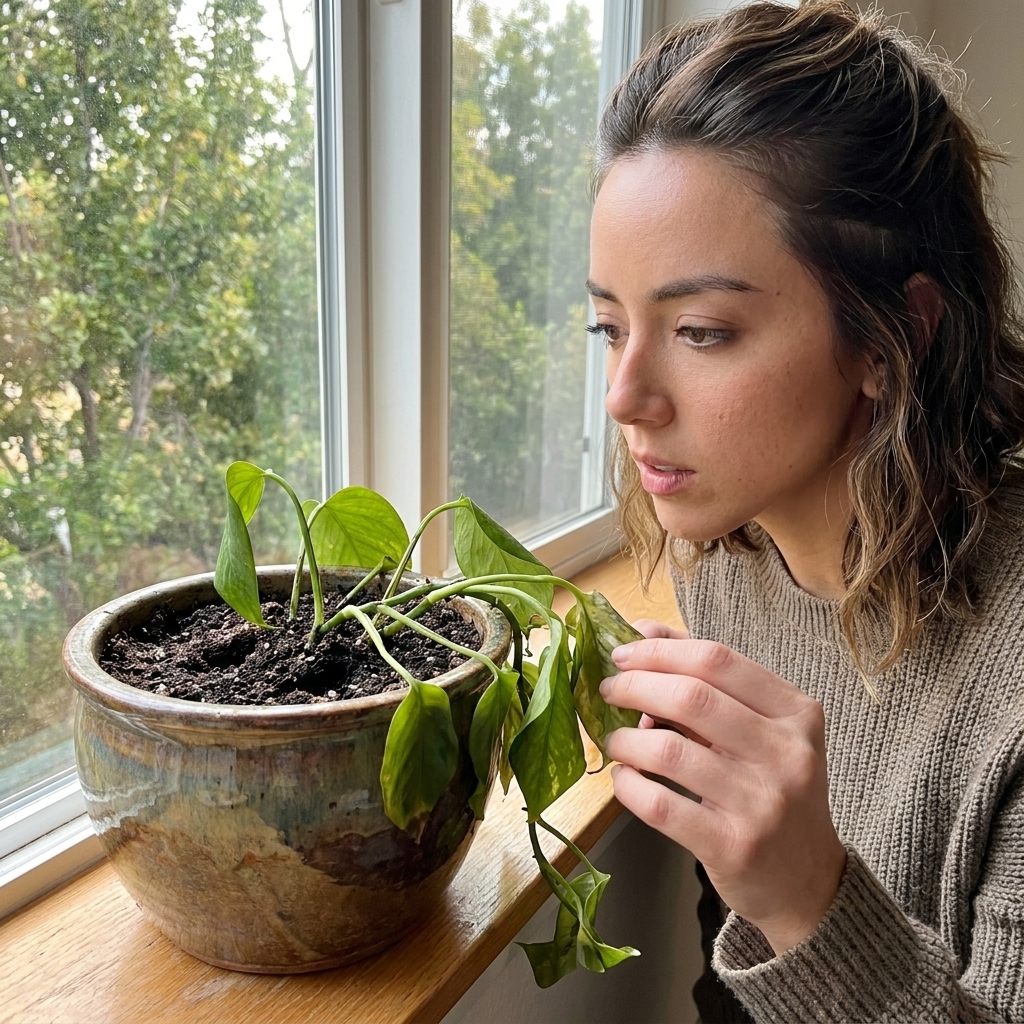
A clear, practical guide to bright indirect light: how to spot it, measure it, and choose plants that will truly thrive indoors.
If your peace lily (Spathiphyllum) has been a leafy overachiever but refuses to put out those signature white spathes again, you are not alone. Peace lilies often bloom once after you bring them home, then settle into “all leaves, no flowers” mode.
The good news is that a stubborn peace lily is usually not being dramatic. It is being honest. Blooming takes energy, and your plant will only do it when three basics line up: light (enough to fuel flowering), nutrition (steady, gentle feeding), and watering (consistent, not soggy). Let’s walk through exactly how to get back to blooms without stressing your plant.
What counts as a bloom
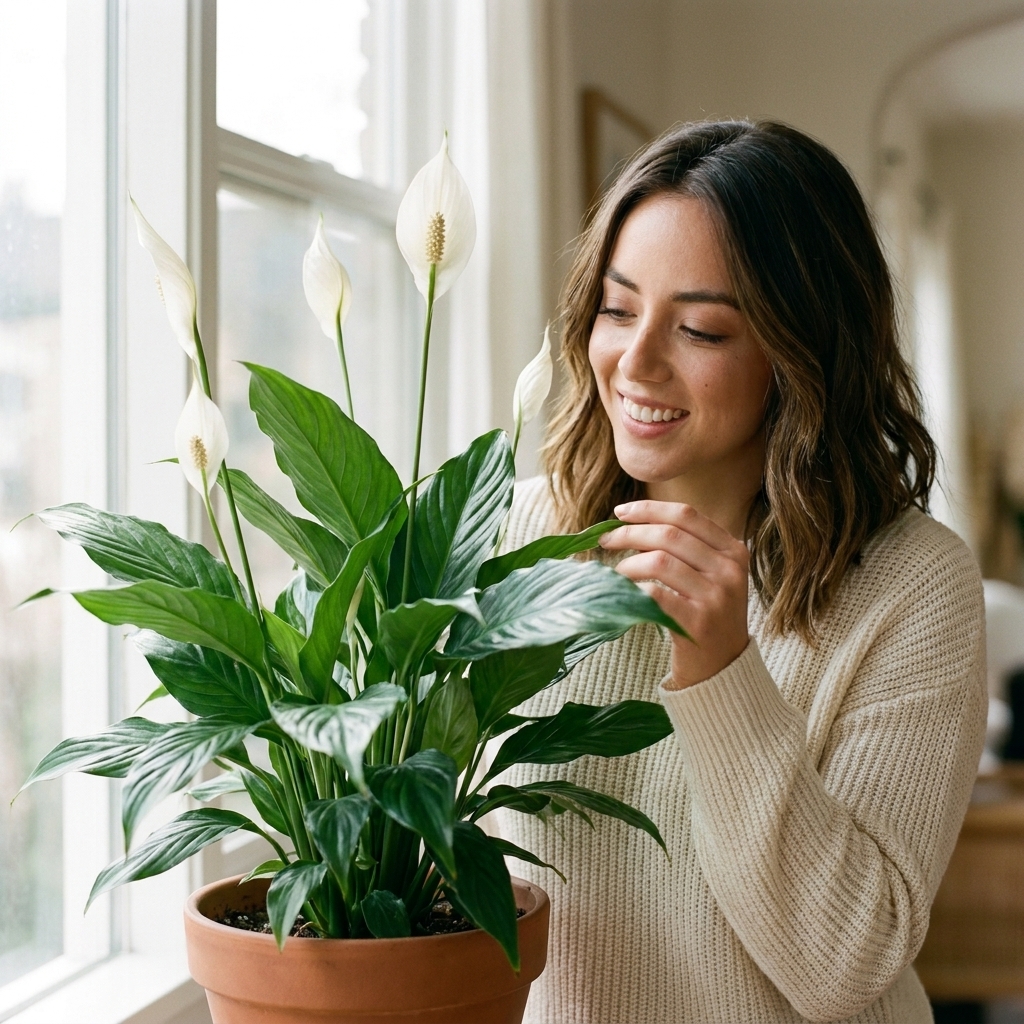
What we call a peace lily “flower” is actually a white bract called a spathe wrapped around a finger-like bloom spike (the spadix). New spathes come from strong, mature growth and a plant that has enough light to spare after maintaining all those leaves.
Timing helps, too. Indoors, peace lilies most commonly bloom in spring through early summer, but some cultivars and well-lit plants can flower intermittently at other times of year. Think of it less like a strict schedule and more like a cycle that speeds up when conditions are right.
Light: the top reason blooms stop
Peace lilies tolerate low light, but they rarely bloom in it. This is the most common “mystery” behind a non-flowering plant: it is surviving just fine, but it is not getting enough energy to reproduce.
What “enough light” looks like
- Best for reblooming: bright, indirect light for most of the day.
- Good window options: a few feet back from an east window, or near a north window that is not heavily shaded.
- South or west windows: totally workable, but use a sheer curtain or pull the plant back to avoid harsh sun on the leaves.
A practical test: if you can comfortably read a book in that spot during the day without turning on a lamp, you are likely in the “bright indirect” zone. Another clue is a soft shadow on the wall or floor, not a sharp, hard-edged one.
How to move it without shock
If your peace lily has been in low light for months, do not toss it into bright light overnight. Give it a week or two to adjust.
- Move it gradually closer to the window every 4 to 7 days (think roughly 6 to 12 inches at a time, depending on your space).
- Watch the leaves. Pale patches or crispy edges can mean too much direct sun.
- Rotate the pot weekly so growth stays even.
Grow lights count (with a few caveats)
If you live in a low-light apartment (hello, my specialty), a simple LED grow light can be a bloom-maker. Use these settings as a starting point, then adjust based on your specific light’s output and what the leaves tell you.
- Aim for 10 to 12 hours per day.
- Start with the light about 12 to 18 inches above the foliage, or follow your fixture’s manufacturer guidance.
- If you see bleaching, washed-out color, or crispy spots, raise the light or shorten the hours.
- Consistency beats intensity. A timer helps.

Fertilizer: feed steadily, not heavily
Peace lilies are not heavy feeders, but a plant that never gets nutrients is unlikely to bloom indoors long-term. The trick is light feeding, timed well.
When to fertilize
- Best window: spring through early fall when the plant is actively growing.
- Frequency: every 4 to 6 weeks is plenty for most homes.
- Skip fertilizer: in winter, or if your plant is stressed, droopy from root issues, or freshly repotted into new mix.
What fertilizer to use
For most peace lilies, a balanced, gentle houseplant fertilizer is the best long-term choice.
- Easy choice: a balanced fertilizer (like 10-10-10 or similar) diluted.
- If yours is very nitrogen-heavy: you can switch to a more balanced formula so you are not pushing leaf growth at the expense of everything else.
- Always dilute: use half strength (or even quarter strength if you are nervous).
Why dilute? Too much fertilizer can cause salt buildup, brown tips, and stressed roots. A stressed peace lily will choose survival over blooming every time.
A simple routine that works
- Water the plant first (or fertilize on a day the soil is already lightly moist).
- Apply diluted fertilizer.
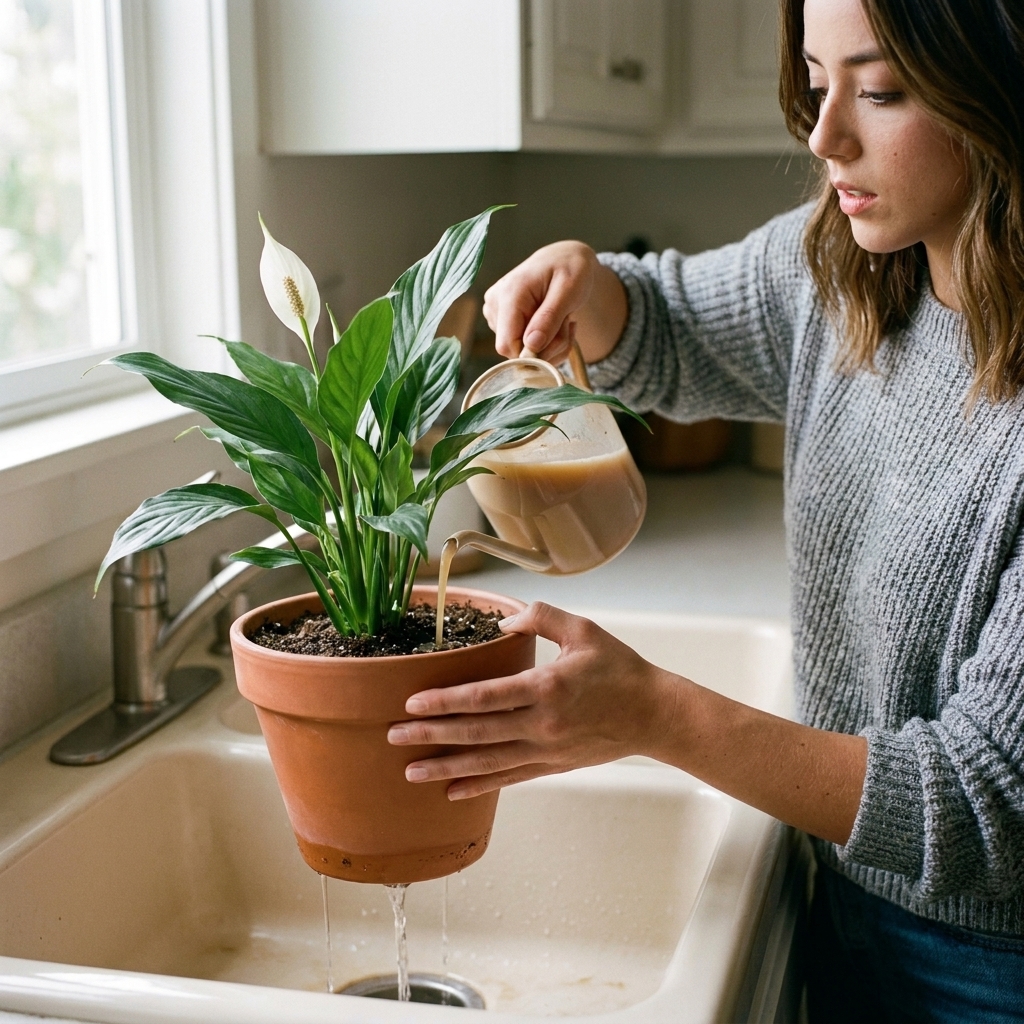
- Once every couple of months, flush the pot by running water through the soil for a minute to wash away excess salts, then let it drain thoroughly.
Watering: moist, not soggy
Peace lilies are famous for their dramatic droop, which makes a lot of us overcorrect. I did this in college with succulents and learned the hard way that “extra love” can drown a plant. Peace lilies want even moisture, not constant wet soil.
The goal: moist, airy soil
- Water when the top 1 to 2 inches of soil feels dry.
- Water thoroughly until it runs out of the drainage holes.
- Empty the saucer. No soaking feet.
If your plant is drooping often, do not assume it needs more frequent watering. Droop can also happen from root stress, temperature swings, or a pot that is too tight.
Use gentler water if yours is picky
Many peace lilies get brown tips from minerals and salts in tap water. It will not always stop blooming, but it can add stress.
- If your tap water is hard, try filtered water or rainwater.
- Room temperature water is gentler than icy cold water.
Humidity helps, but it is not the switch
Peace lilies do appreciate moderate humidity, especially in heated or air-conditioned homes. But in my experience, light is still the main bloom driver.
- Aim for 40 percent or higher if you can (higher is fine, as long as airflow is decent).
- Group plants together, or run a small humidifier nearby.
- Avoid misting as your main strategy. It is brief and can invite leaf spotting if airflow is poor.
Temperature and drafts
Peace lilies are tropical plants, and they can stall when they are chilly. If your plant lives near a drafty door, an AC vent, or a cold window at night, it may keep growing leaves but skip flowers.
- Try to keep temperatures in the general range of 65 to 80°F (about 18 to 27°C).
- Avoid cold drafts and sudden temperature swings.
Pot size and soil: quiet bloom blockers
If you have corrected light, feeding, and watering and still get no spathes, look at what is happening below the soil line.
Is the soil staying wet too long?
Peace lilies often come in dense peat-heavy mixes that stay wet for a long time indoors. That can lead to sluggish growth and fewer blooms.
A bloom-friendly soil is:
- Moisture-retentive but not soggy
- Airy enough for roots to breathe
- Free-draining in a pot with real drainage holes
If you mix your own, think potting mix with a boost of perlite or orchid bark for airflow.
Should you repot?
Only if you have a reason. Repotting is a stress event, and a stressed plant pauses blooming.
Repot if:
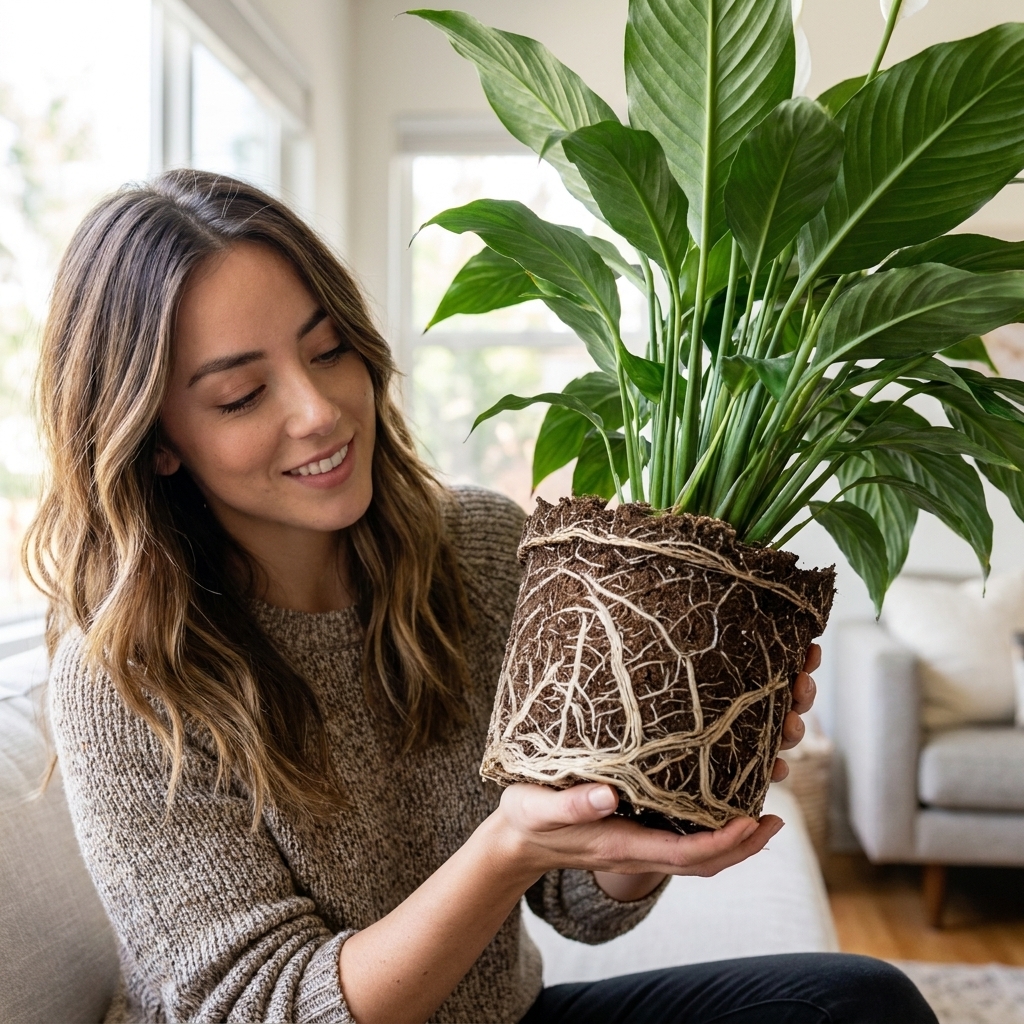
- Roots are circling heavily and pushing the plant up
- Water runs straight through because the pot is all roots
- The soil stays wet for ages and smells sour
If you do repot, go up one pot size only. Too large a pot holds extra wet soil, which can slow growth and reduce bloom chances.
A gentle 4-week reset
If your peace lily has been stable but bloomless for a long time, try this simple reset. It is not harsh, and it works by giving the plant the signals it needs to invest in flowering.
Week 1: Light upgrade
- Move to brighter indirect light, gradually if needed.
- Rotate once this week.
Week 2: Water rhythm
- Start watering by feel, not by calendar.
- Let the top 1 to 2 inches dry, then water fully and drain.
Week 3: Feed lightly
- Fertilize at half strength once (only if the plant is actively growing).
- Do not fertilize again for at least a month.
Week 4: Hold steady
- Keep the conditions consistent.
- Resist the urge to move it around constantly.
Then give it time. With improved conditions, many peace lilies can bloom again in about 8 to 12 weeks, though timing varies with light levels, cultivar, and overall plant health.
Common reasons it will not bloom
It is in low light
Fix: Move to brighter indirect light or add a grow light for 10 to 12 hours daily, adjusting distance based on your fixture and any leaf bleaching.
It is underfed or overfed
Fix: Feed lightly during active growth, flush salts occasionally, and avoid fertilizing a stressed plant.
It is staying too wet
Fix: Check drainage, switch to a better-aerated mix if needed, and let the top layer dry before watering.
It is rootbound and exhausted
Fix: Repot one size up if roots are tightly circling and growth has stalled.
It is spending energy on damaged leaves
Fix: Trim only fully yellow or brown leaves at the base with clean snips. Keep the green leaves. They are the plant’s solar panels.
It is simply not mature enough
Fix: Some younger plants need more time and stronger light to reach consistent blooming size.
It was pushed to bloom at the store
Fix: Some plants are encouraged to bloom before sale, then take a while to settle into a normal cycle at home. Focus on stronger light and steady care, and treat reblooming as a reward for consistency, not a weekly performance review.
FAQ
How long does it take to bloom again?
After improving light and care, many peace lilies can rebloom in about 8 to 12 weeks. Some take longer, especially if they are recovering from low light, draft stress, or root issues.
Will cutting old flowers help it rebloom?
Yes, it can help redirect energy. Cut spent flower stalks as low as you can at the base using clean scissors. It will not force instant blooms, but it keeps the plant tidy and focused.
Do peace lilies bloom better when slightly rootbound?
They often bloom well when comfortably snug, but there is a tipping point. If the pot is mostly roots and watering becomes difficult to manage, it is time to repot one size up.
Can I make it bloom with banana peels or coffee grounds?
I would skip this. Kitchen scraps can introduce mold and pests indoors, and they do not provide predictable nutrition in a pot. A diluted houseplant fertilizer and better light are safer and more effective.
My peace lily is flowering but the blooms stay green. Why?
Green spathes can happen with age (older blooms turn green), lower light, or sometimes over-fertilizing. Increase bright indirect light, feed lightly, and enjoy the bloom cycle. It is still a bloom, just in its later stage.
A calm game plan
If you only change three things, make them these:
- Upgrade the light to bright indirect (or add a grow light).
- Water by feel, keeping soil evenly moist but never soggy.
- Fertilize lightly during active growth and flush occasionally.
And please hear me on this part: a peace lily that is not blooming is not a personal failure. It is feedback. Once you dial in the conditions and keep them steady, those white spathes usually return when the plant is ready.