Identify and eliminate common indoor plant pests naturally using practical, non-toxic methods you can do at home.
The first time I dealt with scale, I honestly thought my plant had grown some weird little freckles. They were tan and brown bumps lined up along the stem, and no amount of “extra watering” (my old bad habit) made the plant perk up. If you are staring at hard, stuck-on bumps and feeling that familiar houseplant guilt, take a breath. This is a fixable problem, and you did not fail your plant.
Scale insects are sneaky because they do not look like bugs at first. They look like part of the plant. Once you know what to look for and you treat it in repeats instead of a one-and-done rinse, you can usually get things under control.
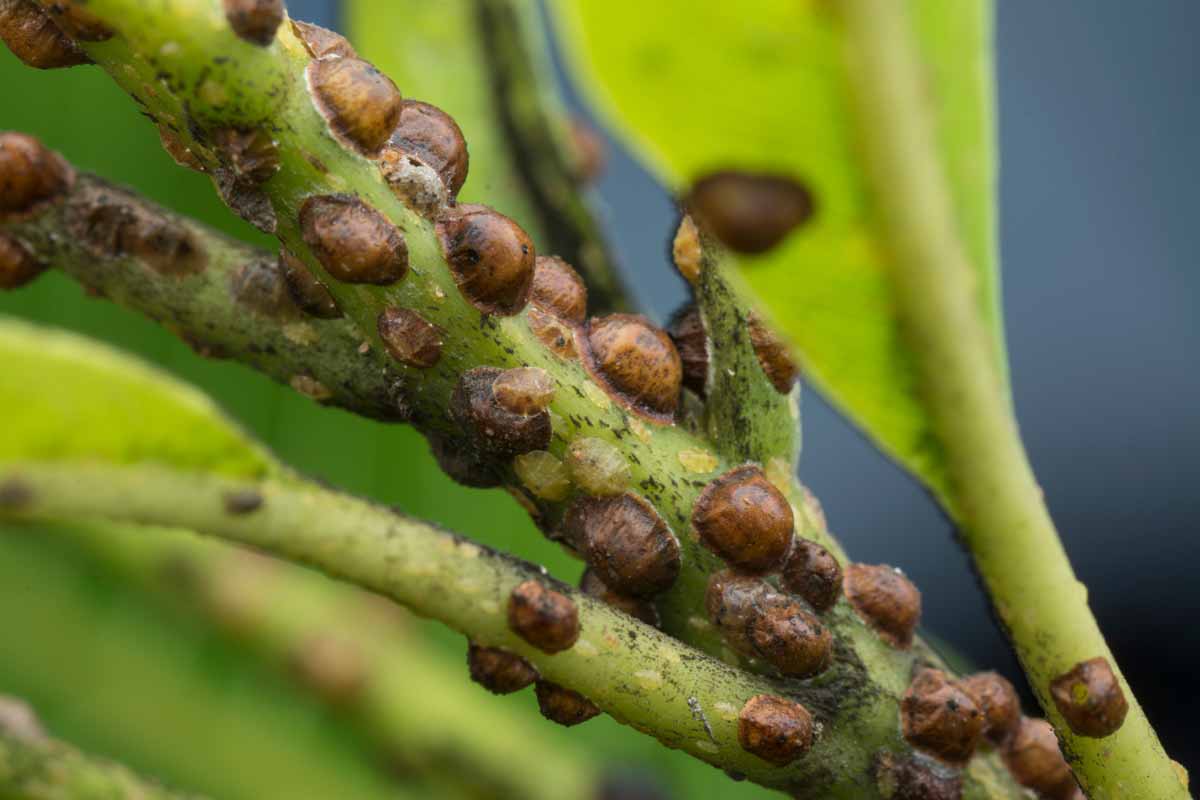
What scale looks like
Scale are sap-sucking insects that attach themselves to your plant and feed like tiny straws. Many species protect themselves with a waxy coating or shell, which is why they look like:
- Hard, raised brown bumps along stems, petioles (the little leaf stems), and leaf veins
- Tan, amber, or gray oval “shells” that do not move
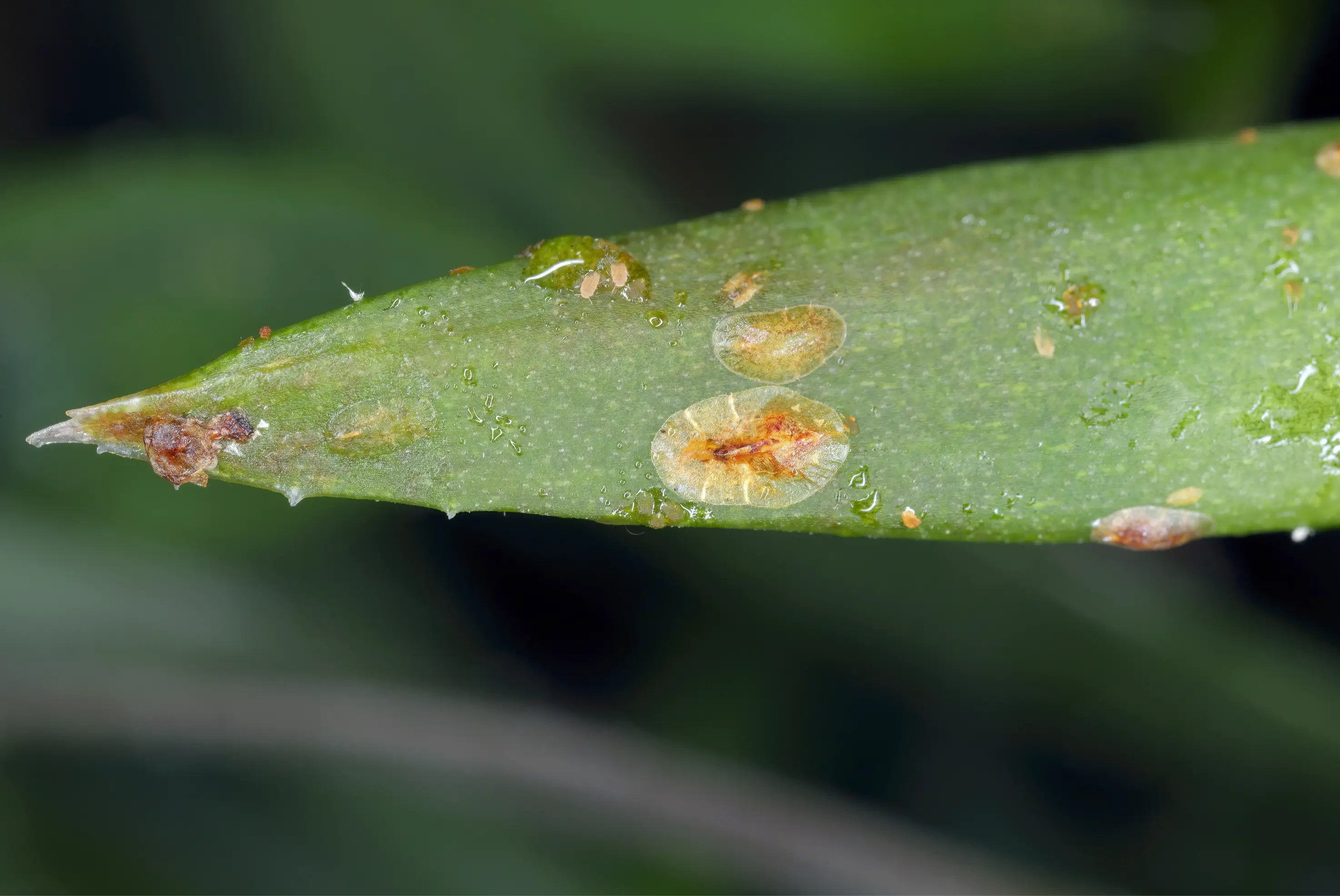
- Little flat discs on the undersides of leaves
- Clusters around nodes where stems branch or leaves attach
A quick test: use your fingernail or a cotton swab to gently scrape one bump. If it pops off (sometimes leaving a pale spot), that strongly suggests scale.
Common houseplants scale love include hoya, ficus, citrus, schefflera, pothos, monstera, and orchids, but they will try nearly anything when conditions are right.
Soft vs armored scale
There are two broad groups you will see indoors. You do not need a microscope, just a few clues.
Soft scale
- Looks: slightly puffy or waxy bumps
- Common clue: sticky residue (honeydew) on leaves, stems, pots, or the floor
- Secondary clue: black, sooty-looking film (sooty mold) growing on the honeydew
Soft scale produce honeydew, so if your plant feels tacky and keeps attracting dust or ants, soft scale is a top suspect.
Armored scale
- Looks: flatter, drier, more like little shells or scabs
- Common clue: little to no stickiness
- Behavior: can be very stubborn to smother because that armor is protective
Both types damage plants by draining sap. If you are seeing yellowing leaves, slow growth, leaf drop, or weak new growth plus bumps, scale is likely involved.
Before you treat
Scale is often confused with harmless bumps or unrelated issues. Here are quick differentiators.
Scale vs corking
Some plants develop corky, rough patches as stems mature, especially on older growth. Corking usually looks uniform and integrated with the stem, not like separate little discs you can lift off.
Scale vs edema
Edema (water imbalance) can cause tan, blistery spots on leaves. Those spots are in the leaf tissue and cannot be scraped off.
Scale vs mealybugs
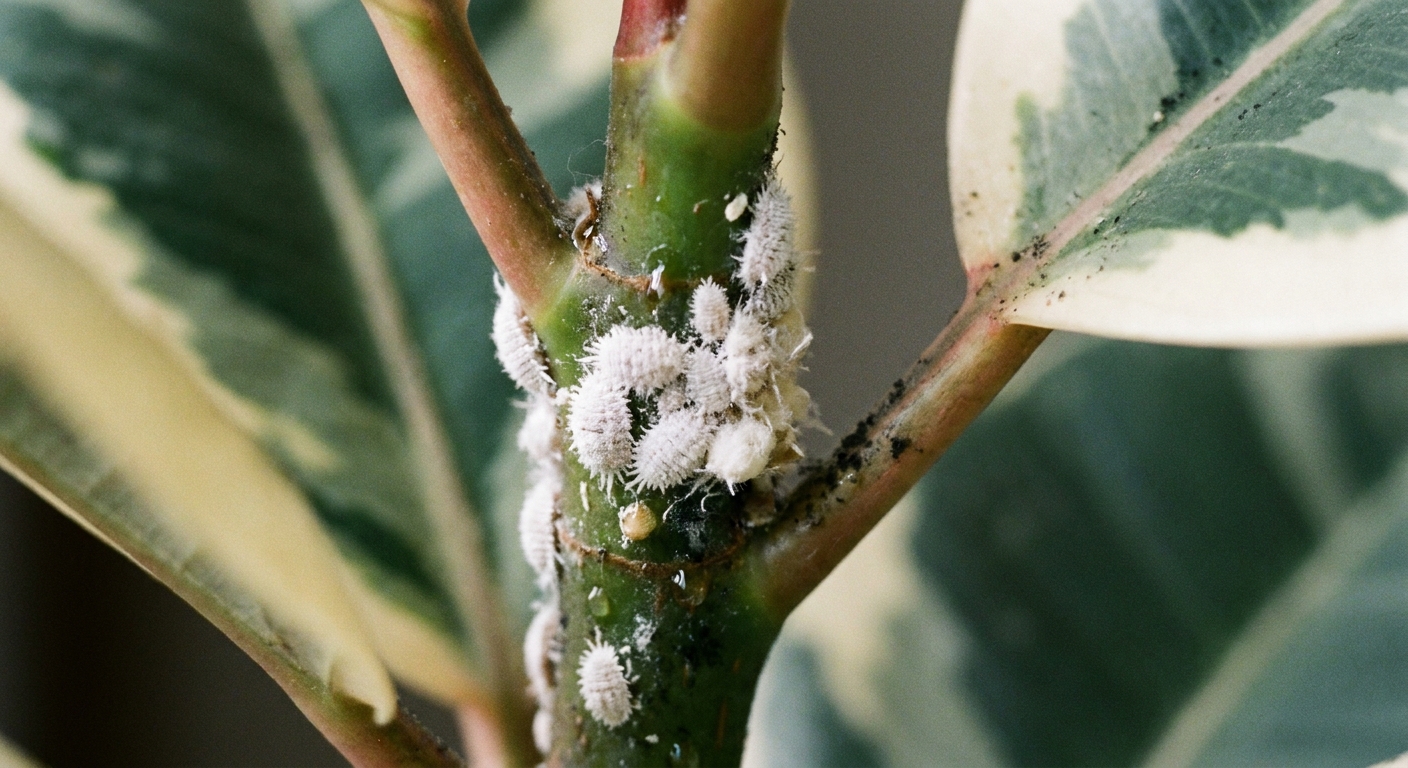
Mealybugs look like white cottony tufts and often hide in crevices. Scale is typically smooth, waxy, or shell-like and not fluffy.
Scale vs hard water spots
Mineral deposits sit on the surface and tend to wipe away with a damp cloth. Scale usually needs a gentle scrape to release.
How to remove scale
Scale control is about two things: physical removal plus repeat treatments to catch the next wave. Here is the process I use at home and used in the nursery.
1) Isolate the plant
Move it away from your collection. Scale crawlers (the young stage) can spread to nearby plants when leaves touch, but they can also hitchhike on hands, tools, sleeves, and even ride light air currents.
Do a quick check of neighbors within a few feet, especially plants with touching foliage or shared watering tools.
2) Prune the worst areas
If a stem or leaf is heavily coated, it is often kinder and faster to remove it.
- Use clean snips.
- Bag the clippings and put them in the trash.
- Do not compost pest-infested material.
3) Remove what you can by hand
This is the step many people skip, and it matters because scale’s coating protects it from sprays.
- Make a bowl of warm water with a few drops of gentle dish soap, or use plain water if your plant is sensitive.
- Use cotton swabs, a soft toothbrush, or a damp microfiber cloth.
- Gently wipe stems, petioles, and leaf undersides.
- For stubborn bumps, use your fingernail or the edge of a cotton swab to lift them off without gouging the plant.
If you prefer, you can also dab individual scale with 70 percent isopropyl alcohol on a cotton swab, then wipe the area with water afterward. Alcohol can damage some plants, so test one leaf or a small stem section first.
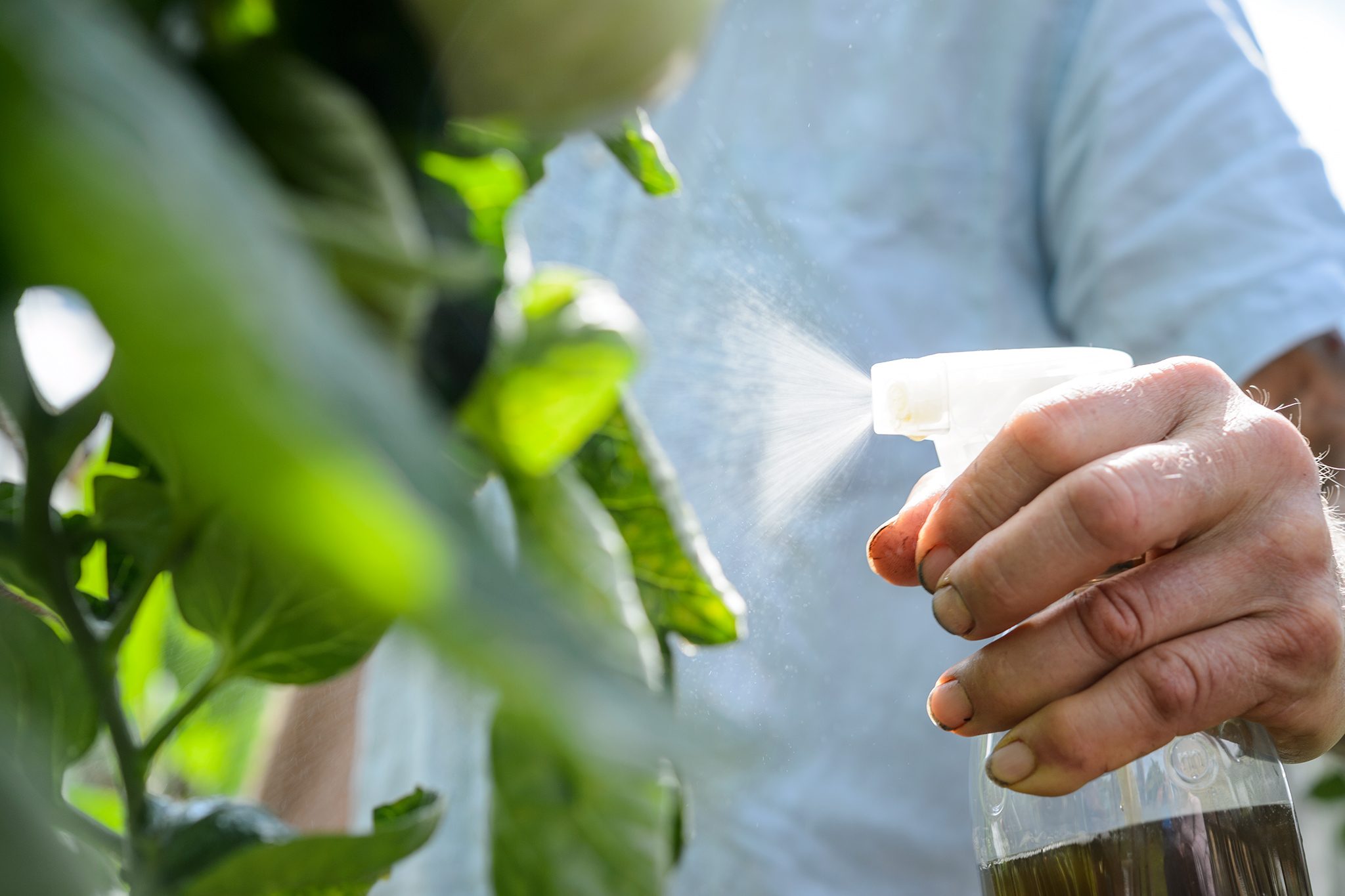
4) Follow with soap or oil
After wiping, follow up with a spray treatment to target any missed insects and newly hatched crawlers.
- Insecticidal soap works by contact. It must hit the insect to be effective. True insecticidal soaps are typically made from potassium salts of fatty acids, which is one reason they behave differently than dish soap.
- Horticultural oil (including many neem-based horticultural oils) works mainly by smothering. Coverage is everything. Not all products labeled “neem” are equally effective for scale, so follow the product label and do not assume one neem spray equals another.
Spray thoroughly, especially:
- Leaf undersides
- Along the midrib and veins
- Stem nodes and crevices
- The base of the petioles
Important: Do not spray in harsh direct sun or on a heat-stressed plant. Oils and soaps can cause leaf burn when combined with intense light or heat. Morning or evening in bright, indirect light is safest. If the product label says to rinse after a certain amount of time, do that. If it does not, let it dry and simply monitor for leaf sensitivity.
5) Repeat on a schedule
If you spray once, rinse once, or wipe once and call it done, scale often comes right back. Here is why:
- Many scale are protected by waxy coatings or armor, so sprays do not penetrate well.
- The most vulnerable stage is the tiny crawler stage, which may hatch after your first treatment.
- Eggs and hidden individuals can be tucked into nodes and tight creases.
A practical repeat plan (adjust based on the product label, your plant’s tolerance, and what you are seeing, because life cycles vary by species and conditions):
- Recheck every 3 to 4 days and remove any new bumps you see.
- Respray every 7 to 10 days for at least 3 to 4 rounds.
- Keep the plant isolated until you go two full weeks with no new bumps and no sticky residue.
Cleaning and containment
Soft scale honeydew is basically sugary glue. It can keep attracting pests and encourages sooty mold. After treating the plant:
- Wipe leaves with a damp cloth to remove sticky residue.
- Wash the outside of the pot and saucer.
- Clean the shelf, windowsill, or floor beneath the plant.
- Rinse and dry your tools.
If you used oil sprays, expect leaves to look a little shiny for a while. That is normal.
If scale keeps coming back
Reduce stress
Scale tends to take hold when a plant is already struggling. Without turning your home into a greenhouse, aim for:
- Brighter, indirect light (closer to a window, or add a small grow light)
- More consistent watering (not soaking dry roots, not keeping soil soggy)
- Gentle airflow (a small fan across the room, not blasting the plant)
Check hidden spots
Scale loves protected areas:
- Where leaf meets stem
- Along woody stems on ficus and hoya
- Undersides of older leaves
- Near the soil line on thicker-stemmed plants
Consider a systemic option
If you have a large plant that cannot realistically be wiped and sprayed thoroughly, a systemic insecticide can be an option in some regions. Common actives you may see on labels include imidacloprid or dinotefuran. Always follow the label exactly, avoid using systemics on plants that will be eaten, and think about pollinators if the plant goes outdoors or flowers. If you have pets that nibble, choose the safest route for your household.
When to discard a plant
I am all for plant rescue, but I am also pro peace-of-mind. Consider letting a plant go if:
- The stems and leaf undersides are heavily coated and you cannot physically remove most of the bumps.
- The plant is already in steep decline (widespread yellowing, leaf drop, dieback) and treatment would be a long shot.
- You have many other plants nearby and the risk of spread is too high.
- You have repeated for a month and the infestation is still expanding.
If you discard, seal it in a bag for the trash and keep it sealed while you carry it out so crawlers do not drop off en route. Clean the area and check nearby plants weekly for a month.
Prevention
Scale often arrives on new plants and then quietly settles in. My simplest prevention habit is a short quarantine.
- Keep new plants separate for 2 weeks when possible.
- Inspect stems, leaf undersides, and nodes under bright light.
- Wipe leaves before the plant joins the rest of your collection.
Quick FAQ
Are brown bumps on stems always scale?
No. Some plants naturally develop corky texture as they age, and edema can cause tan blistering on leaves. The best clue for scale is that the bumps feel like separate little domes and can be gently scraped off.
Does dish soap kill scale?
Dish soap is useful for cleaning and can help you wipe pests off, but it is not the same as insecticidal soap and can be harsher on leaves at higher concentrations. If you use dish soap, keep it very dilute and rinse afterward. For treatment, insecticidal soap (often potassium salts of fatty acids) or horticultural oil tends to be more reliable.
Why is my plant sticky?
Sticky residue is often honeydew from soft scale (or other sap-sucking pests). Clean the leaves and treat the pest, or the stickiness will keep returning.
How long does it take to get rid of scale?
Plan on 3 to 6 weeks of monitoring and repeat care, sometimes longer. You can often see a big improvement after the first thorough wipe-down and spray, but full control takes consistency.
Will scale spread to my other plants?
Yes, especially during the crawler stage. Crawlers can also hitchhike on hands and tools, so isolation and sanitation are two of the most important steps.
A final pep talk
If you found scale, it does not mean you are bad at plants. It means you noticed something was off, and you are learning the language your plant is using to ask for help. Scrape what you can, treat in repeats, keep your tools clean, and keep a close eye on the plants nearby. That steady, patient approach is what turns a frustrating pest into a solvable routine.