A calm, step-by-step root rot rescue: how to unpot, trim mushy roots, repot in fresh mix, and prevent future rot in any houseplant.
I killed my first three succulents in college by loving them to death with water, so when I met my first ponytail palm (Beaucarnea recurvata), I felt personally challenged. It looks like a palm, acts like a desert plant, and it will absolutely let you know if your care is too generous.
The good news is that ponytail palms are wonderfully forgiving when you lean into their natural rhythm: lots of sun, gritty soil, and long dry breaks between waterings.
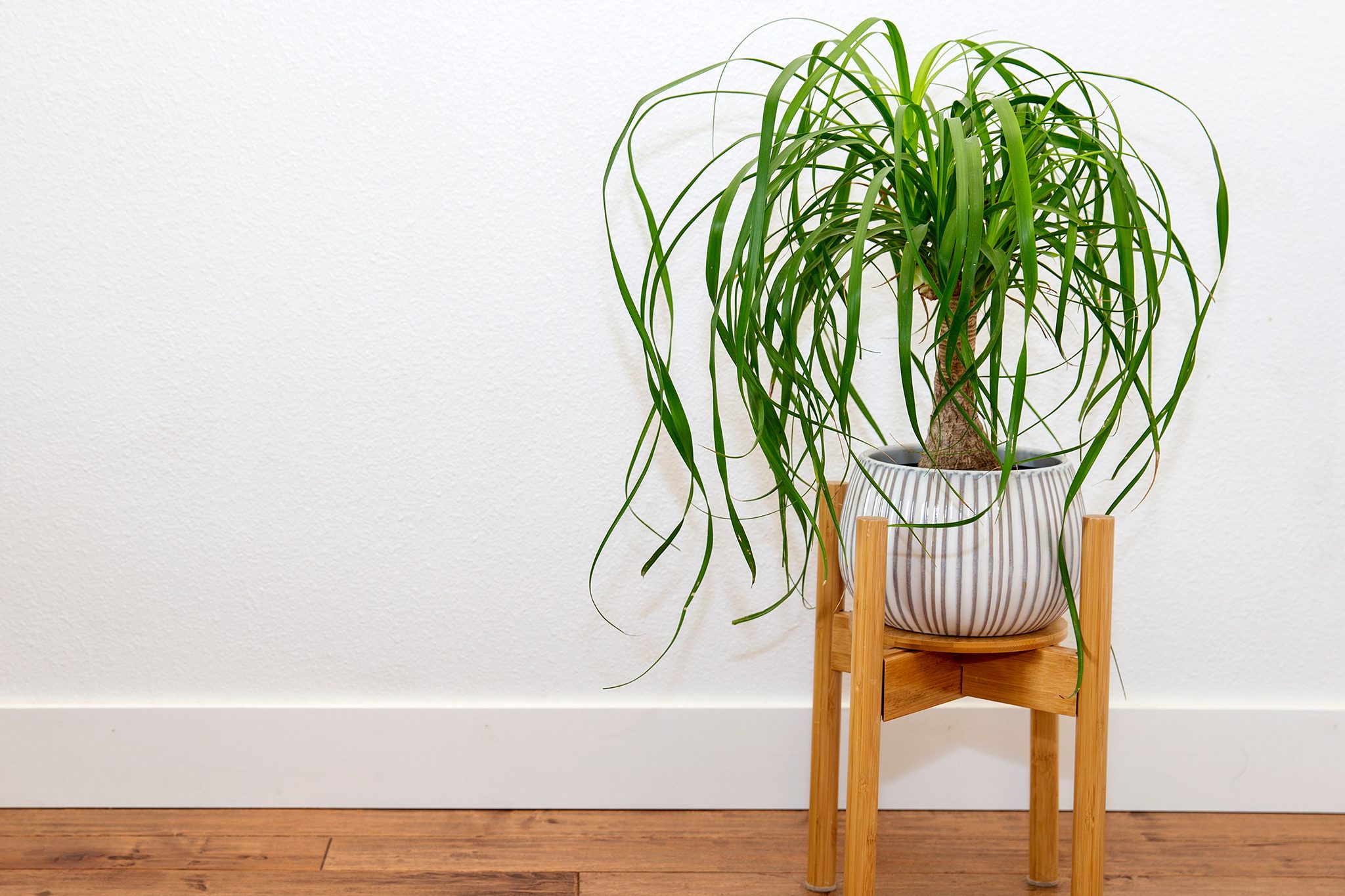
Meet the ponytail palm (and why it is not actually a palm)
Ponytail palm is a common name for Beaucarnea recurvata, a drought-adapted plant that stores moisture in its swollen base (the "bulb" or caudex). That base is your biggest clue for care: this plant is built to hold water for a long time, which means it wants you to water less often than most leafy houseplants.
Indoors, it stays compact and slow-growing, with narrow, fountain-like leaves. It is one of my favorite "busy-person" plants because it thrives when you stop fussing.
Light: bright is best, and sun is your friend
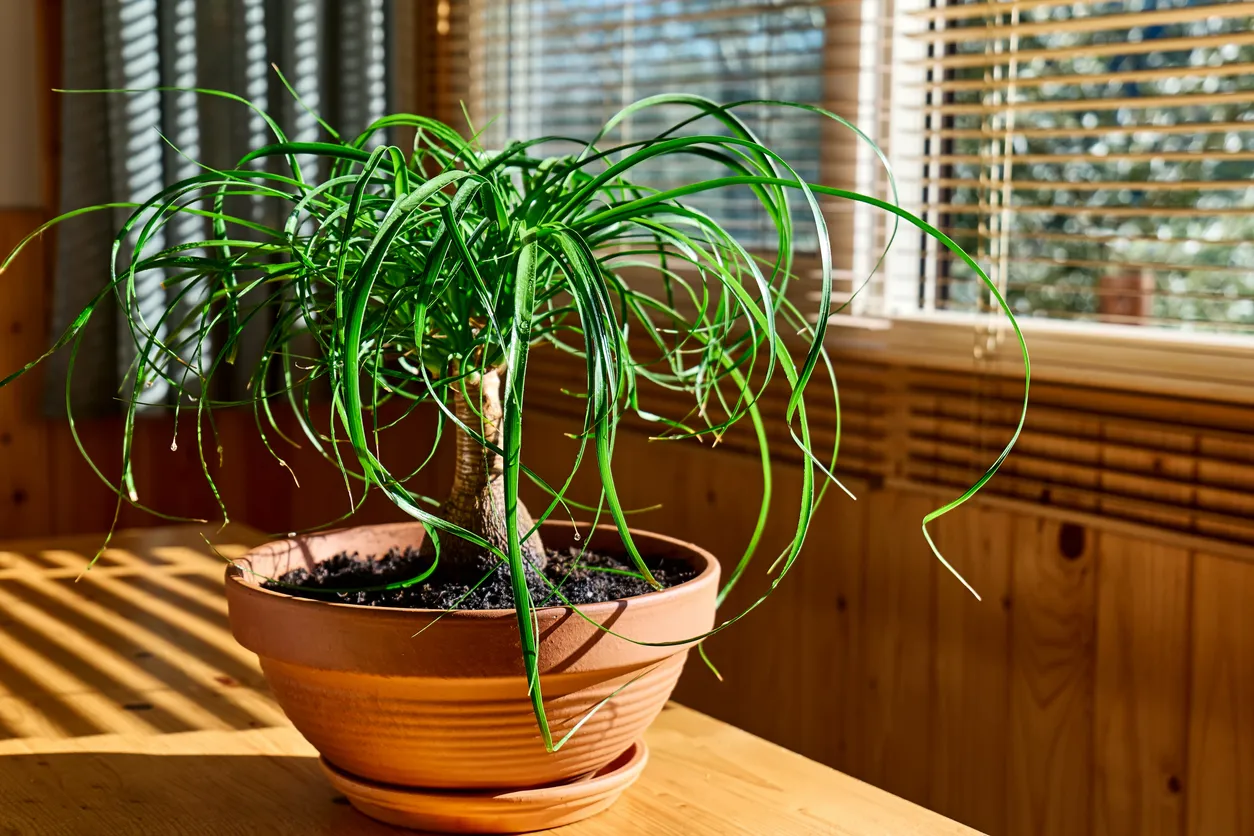
If there is one lever you can pull to make a ponytail palm happier indoors, it is light. This plant wants bright light and can handle direct sun once it is acclimated.
Best placement
- Ideal: Right next to a bright south or west window (or east if that is your sunniest option).
- Good: A few feet back from a very bright window where it still gets strong ambient light.
- Tough indoors: Low-light corners. It may survive, but it will stretch, weaken, and become more rot-prone because the potting mix dries slowly.
How to tell your light is too low
- New growth looks pale and thin
- Leaves become longer and floppier instead of firm and arching
- The plant stays wet for a long time after watering
If you are moving it into stronger sun, do it gradually over 1 to 2 weeks to avoid leaf scorch.
Water: soak, then let it dry all the way
This is where most ponytail palms struggle indoors. Because the trunk stores water, your goal is not to keep the soil lightly moist. Your goal is to water thoroughly, then let the potting mix dry out deeply before watering again.
A simple watering routine that works
- Check the soil first. The top couple inches being dry is not enough. You want the mix to be mostly dry throughout.
- When it is time, water slowly until it drains from the bottom.
- Empty the saucer so the pot is never sitting in runoff.
- Wait again. For many homes, that is often every 2 to 4 weeks, sometimes longer in winter.
Real-life variables matter: terracotta dries faster than plastic, small pots dry faster than big pots, and bright warm rooms dry faster than cool dim ones. If you are unsure, waiting an extra week is usually safer than watering early.
Fast-draining soil: the non-negotiable for avoiding rot
Ponytail palms hate heavy, moisture-holding soil. A standard peat-heavy houseplant mix can stay damp too long indoors, especially in low light or in a larger pot, and that raises the odds of rot from prolonged saturation and poor aeration.
What a good mix feels like
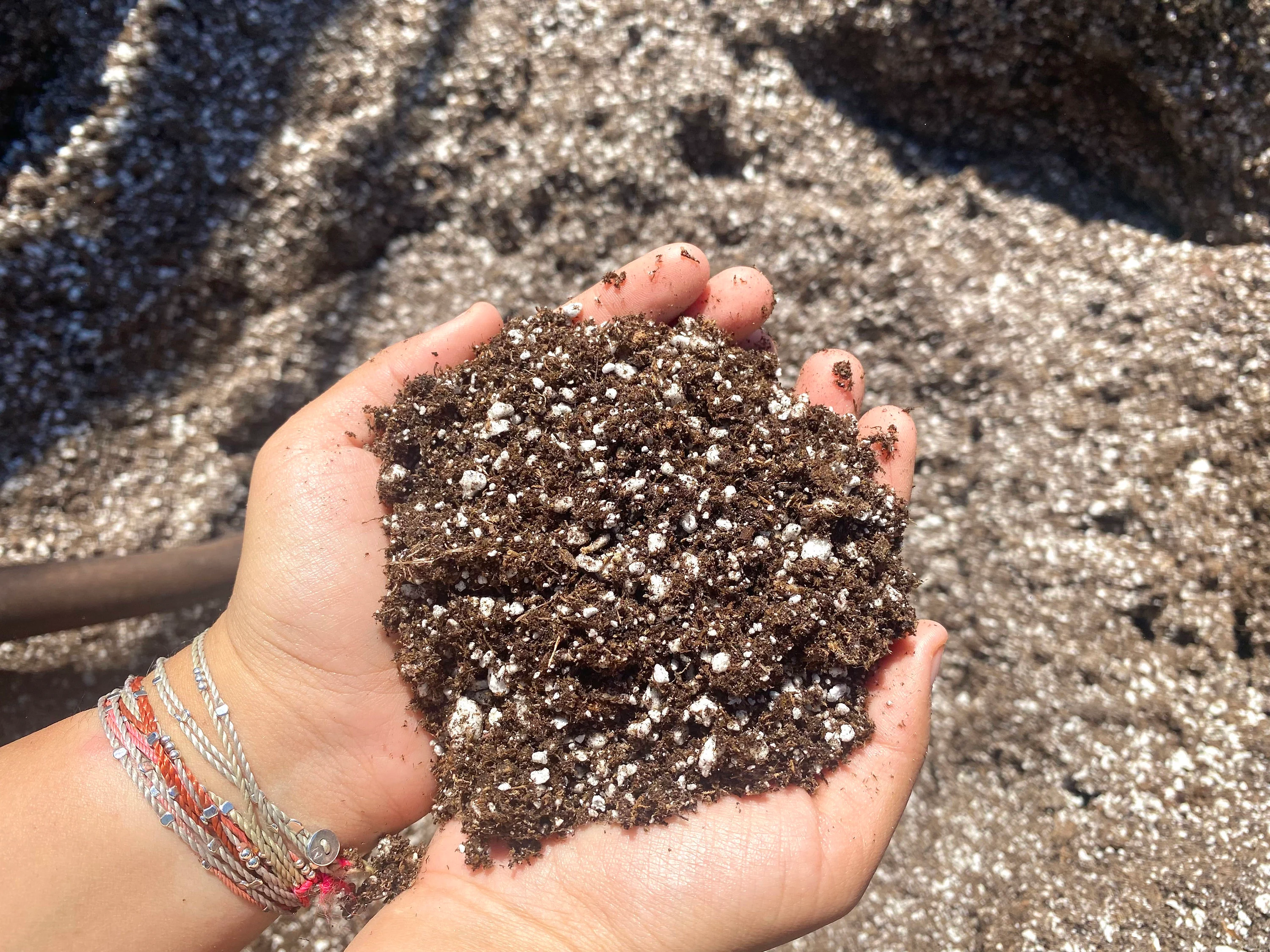
You want a mix that is airy, gritty, and drains quickly while still holding just enough moisture to wet the roots during a thorough watering.
Easy soil mix options
- Option 1 (simple): Cactus and succulent potting mix, straight from the bag.
- Option 2 (more breathable): About 2 parts cactus/succulent mix + 1 part perlite or pumice.
- Option 3 (if your home runs humid or low-light): Add extra pumice/perlite so it dries faster.
Whatever you choose, pair it with a pot that has a drainage hole. A ponytail palm in a pot with no drainage is a long-term gamble.
The trunk should be firm: what softness really means
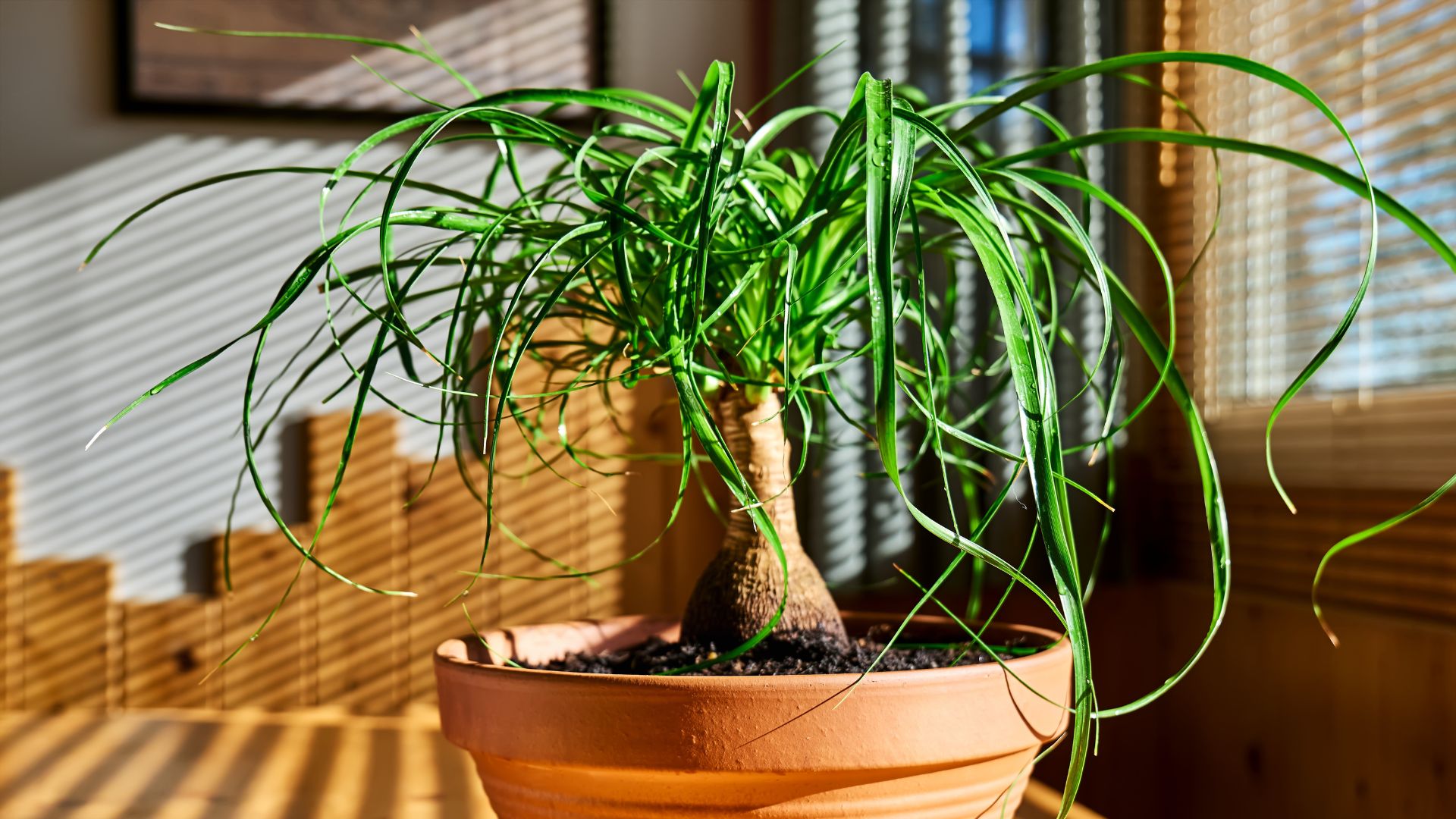
The swollen trunk is your plant’s water tank. It should feel firm, like a potato: solid, not squishy. A little pliability can be normal if the plant is very dry, but it should not feel mushy.
Soft trunk, two different scenarios
- Slightly pliable + bone-dry soil: This can simply mean it is thirsty. In that case, a thorough watering (and then a full dry-down again) is usually appropriate.
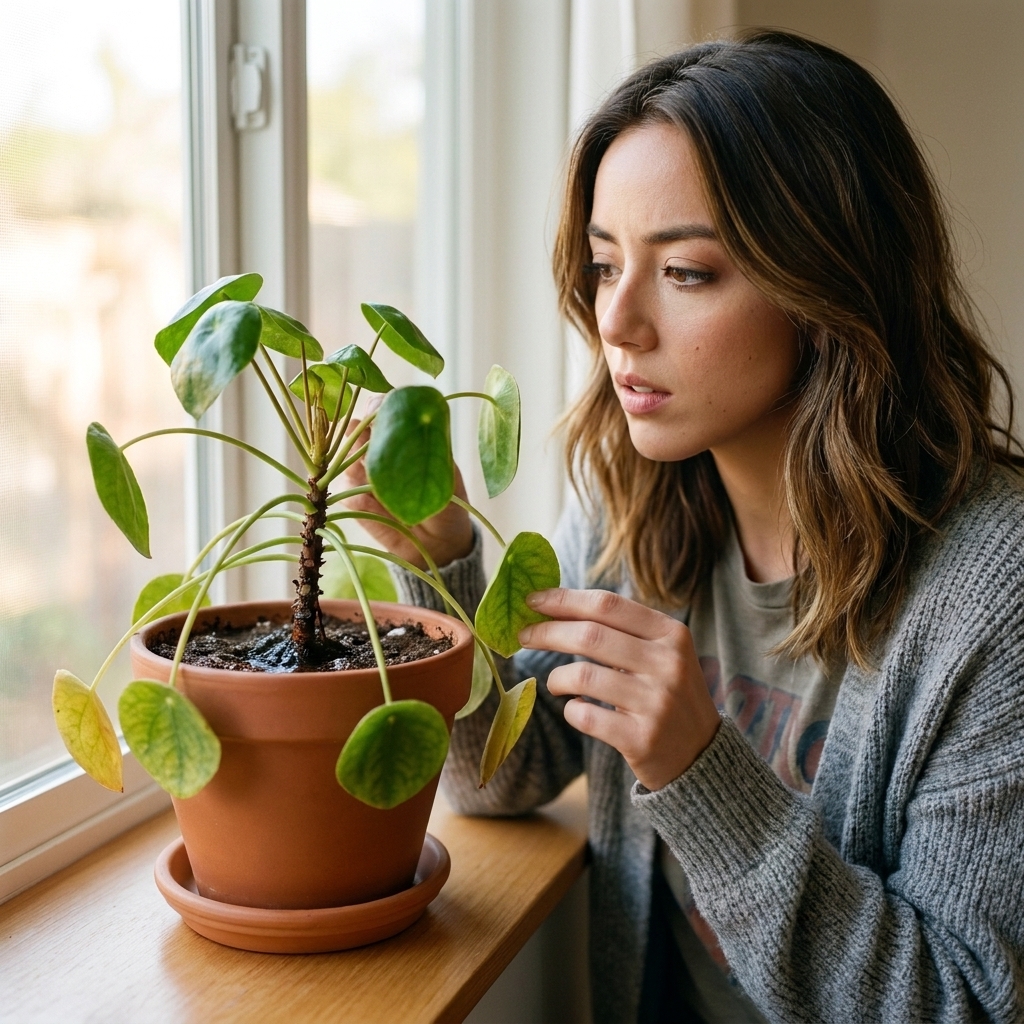
- Squishy or mushy + wet soil, sour smell, or lots of yellowing: This is the big red flag for rot.
What to do if you suspect rot
- Stop watering.
- Move to brighter light to help the pot dry faster.
- Check drainage and make sure the plant is not sitting in water.
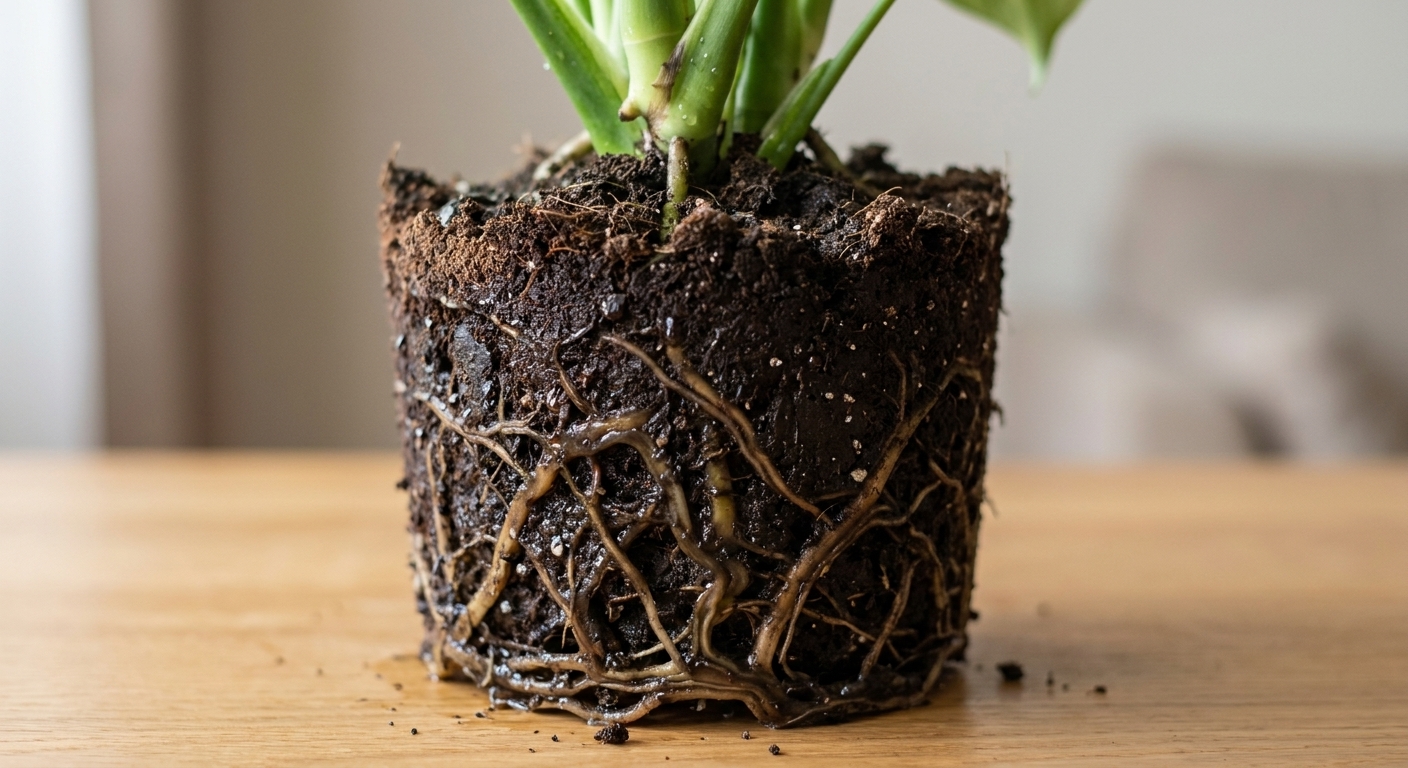
- If the mix is soggy or smells sour, unpot and inspect roots. Trim any black, mushy roots and repot into a dry, fast-draining mix.
If only a small portion is affected, ponytail palms can recover. The key is catching it early and changing the conditions that kept the roots wet.
Wrinkled leaves: thirsty, stressed, or both?
Ponytail palm leaves can tell you a lot, but they can also confuse plant parents because leaf symptoms can overlap. Here is the pattern I use at home.
When wrinkling usually means underwatering
- Leaves look slightly limp, curled, or wrinkled
- The potting mix is dry throughout
- The trunk still feels firm (or only slightly pliable)
In this case, a thorough watering is usually all it needs.
When wrinkling can happen even with overwatering
- Leaves wrinkle but the soil is staying wet
- Leaf tips brown quickly and the plant feels "off"
- The trunk is squishy or the base smells musty
If roots are damaged from rot, the plant can look thirsty because it cannot drink properly. That is why I always check the soil and trunk before adding water.
Temperature: keep it warm, avoid cold shocks
Ponytail palms are happiest in normal household temperatures. They can handle heat well, but they do not like cold drafts or frosty windows.
- Comfort zone: Typical indoor temps are fine.
- Avoid: Cold windowsills in winter, blasts from AC vents, and any chance of frost.
- Winter tip: If the leaves are pressed against a chilly window at night, pull the pot back a few inches.
Slow growth is normal (and it is a trap for overwatering)
Indoors, ponytail palms grow slowly. That is not a failure. It is their personality.
Slow growth often makes people think, “It must need more water” or “It must need fertilizer.” Usually it needs neither. If your ponytail palm is alive, firm-trunked, and holding its color, it is doing its job.
How to support healthy growth without pushing it
- Prioritize bright light.
- Keep watering sparse and consistent with full dry-downs.
- Repot only when truly root-bound, typically every few years.
Fertilizer: light feeding, only in the growing season
Ponytail palms are not heavy feeders. Too much fertilizer can lead to salt buildup in the soil and stress the roots. Any new growth can also come in softer and less sturdy than you want.
- When: Spring through summer, only if the plant is in bright light and actively growing.
- How often: About once a month, or even less.
- What: A balanced liquid houseplant fertilizer diluted to half strength.
- Skip feeding: In fall and winter, or anytime the plant is stressed (recent repot, rot recovery, low light).
Pot choice and repotting: stability plus drainage
Ponytail palms can get top-heavy, so stability matters.
My favorite setup
- Pot: Terracotta or a heavier ceramic pot with a drainage hole
- Size: Only 1 to 2 inches wider than the root ball
- Why: Slightly snug pots dry more predictably and reduce the risk of staying wet too long
When to repot
- Roots circling heavily or pushing out of the drainage hole
- The plant dries extremely fast because it is root-bound
- The soil has broken down and stays wet too long
Repotting is best done in spring or early summer. After repotting, I wait a few days to water so any disturbed roots can callus over.
Pests: what to watch for
Ponytail palms are fairly tough, but indoors they can still pick up the usual suspects, especially if the air is very dry.
- Spider mites: Fine webbing, speckled leaves, and an overall dull look. Rinse the leaves, then treat with insecticidal soap or horticultural oil, repeating weekly for a few rounds.
- Mealybugs and scale: White cottony spots or small waxy bumps along leaf bases. Wipe them off with a cotton swab dipped in rubbing alcohol, then follow up with soap or oil.
I also like giving the plant a quick check where the leaves meet the trunk. That is where pests love to hide.
Pruning and brown tips: what is safe to cut
Brown tips happen, even with good care. You can trim them for looks without hurting the plant.
- Use clean scissors and follow the natural shape of the leaf tip.
- Do not try to cut into the green just to make it "perfect."
- The cut edge will not turn green again, but it is purely cosmetic.
Pet safety: is ponytail palm toxic?
Ponytail palm is commonly listed as non-toxic to cats and dogs, but pets can still chew and get an upset stomach from any houseplant. If your pet is a committed plant-snacker, place it out of reach and check a reliable toxicity resource or your vet if you are concerned.
Quick troubleshooting
Brown tips
- Most commonly: underwatering swings, very dry air, or mineral-heavy tap water
- Fix: water thoroughly when dry, consider filtered water, trim tips for appearance
Yellowing leaves at the base
- A few older leaves aging out is normal
- If many leaves yellow quickly: check for slow-drying soil and a squishy trunk
Leaves snapping or kinking
- Often physical damage from brushing past the plant
- Fix: give it a little space, rotate the pot occasionally for even growth
Plant feels wobbly
- Could be loose roots after repotting, or root loss from rot
- Fix: check root health, use a heavier pot, ensure the mix is not staying wet
Care summary (save this)
- Light: Bright light, can take direct sun once acclimated
- Water: Soak fully, then let soil dry well between waterings
- Soil: Fast-draining cactus-style mix with extra perlite or pumice
- Trunk: Firm is healthy; squishy plus wet soil suggests rot
- Leaves: Wrinkling often means thirst, but confirm soil is dry and trunk is not mushy
- Growth: Slow is normal, do not “fix” it with extra water or fertilizer
- Temp: Normal indoor warmth, protect from cold drafts and frost
FAQ
How often should I water my indoor ponytail palm?
Water only when the potting mix has dried deeply. In many homes that is every 2 to 4 weeks, sometimes longer in winter. Pot size, light, temperature, and terracotta versus plastic can change that a lot, so let the soil dry-down lead, not the calendar.
Can I keep a ponytail palm in low light?
It may survive, but it is more likely to stretch and become more rot-prone because the soil dries slowly. Bright light is the healthiest choice.
Is a wrinkled ponytail palm always underwatered?
Not always. Wrinkling plus dry soil and a firm (or only slightly pliable) trunk usually means it is thirsty. Wrinkling plus wet soil or a squishy trunk points toward root trouble from overwatering.
Why is my ponytail palm not growing?
Slow growth indoors is normal. If it is in bright light, planted in fast-draining mix, and the trunk is firm, it is likely doing fine.