A practical, reassuring guide to diagnosing winter leaf drop: drafts, low light, dry air, and watering shifts, plus exact fixes and recovery timelines.
My first winter with geraniums indoors, I treated them like my year-round houseplants and learned the hard way: too much warmth, too much water, and not enough light turn a sturdy summer bloomer into a sad, leaf-dropping stick. The good news is that pelargoniums (the plants most of us call geraniums) are incredibly forgiving. With a small reset before frost and a calmer winter routine, you can keep your potted plant alive and ready to go back outside when spring returns.
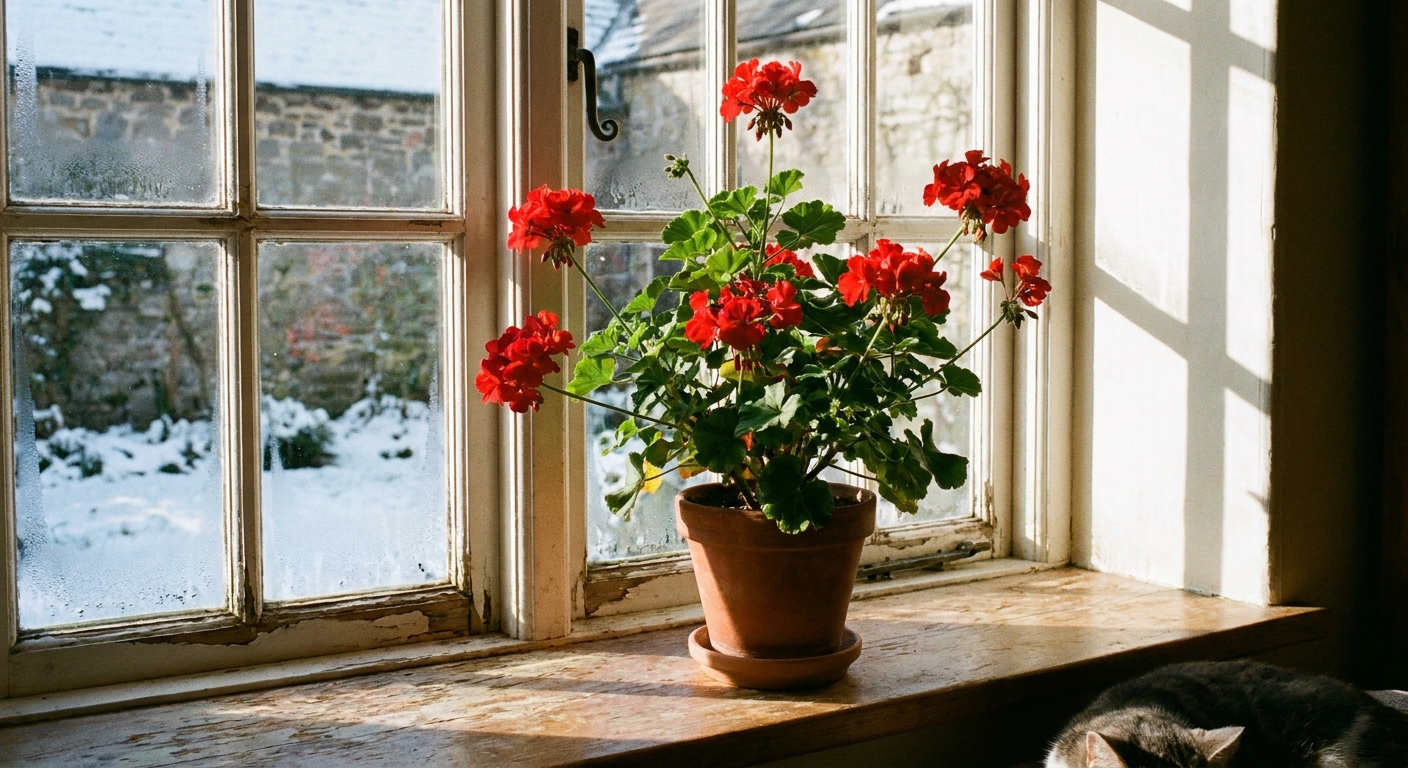
Know what you are overwintering
Garden center “geraniums” are usually Pelargonium, tender perennials that hate frost but can live for years in containers with decent light and care. Indoors through winter, your main goal is not nonstop blooms. Your goal is survival with minimal stress so the plant can restart strongly outdoors after the last frost.
- Best result to aim for: a compact plant with some green leaves, slow growth, and no soggy soil.
- Totally normal: fewer leaves, fewer flowers, and a general “resting” look.
One quick note before we get into the steps: drainage matters. A pot with drainage holes and a fast-draining mix are your best protection against winter rot.
Timing: bring it in before frost
Move your potted pelargonium indoors before nights regularly drop into the 40s°F (roughly 4 to 10°C) and definitely before the first frost. A light frost can damage stems and leaves, and stressed tissue invites pests and rot once it comes inside.
If you have to bring it in suddenly because an early cold snap surprised you, do not panic. Just do the cleanup steps below and then give it bright light and time.
Step 1: Prune and clean it up
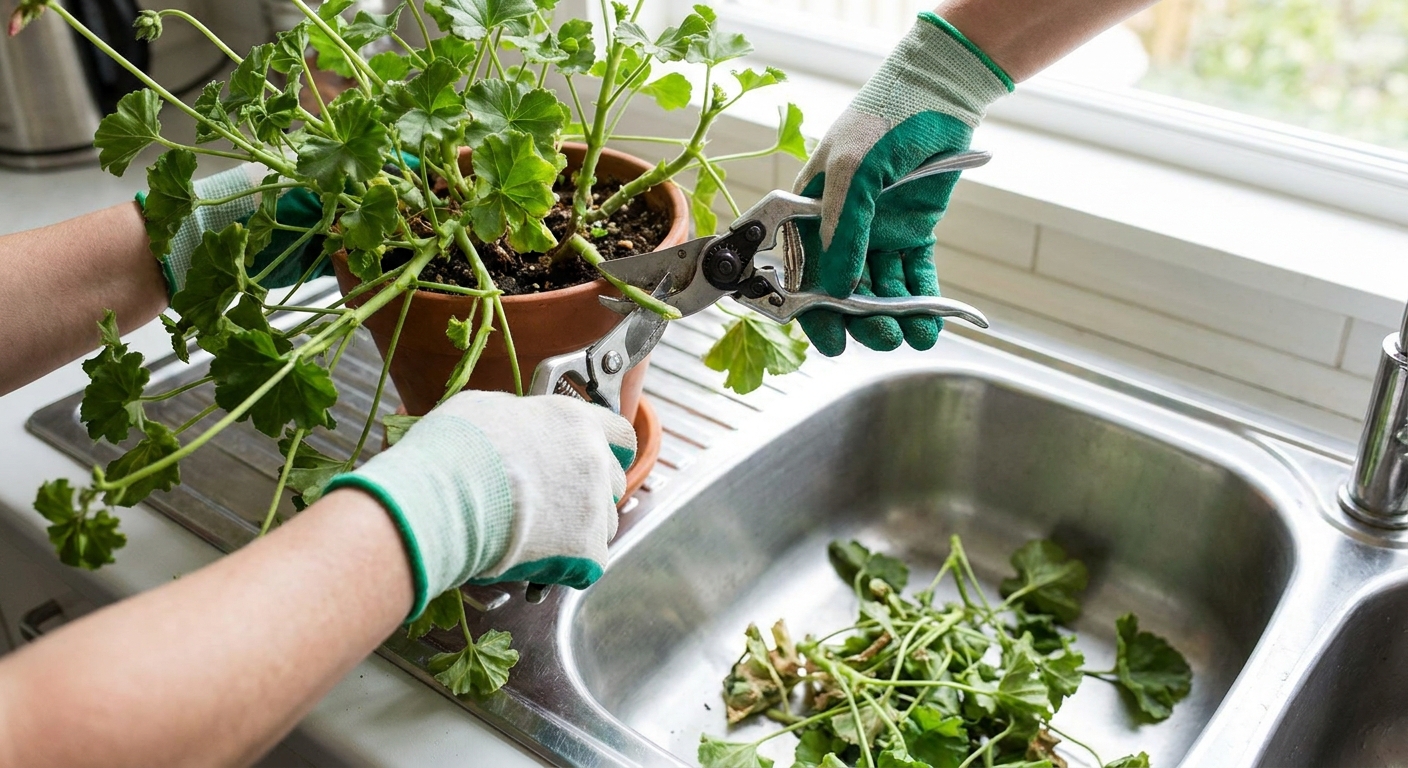
Indoor light is always weaker than outdoor light, even in a sunny window. Cutting back helps your plant adjust and reduces the chance of it stretching into long, floppy growth.
How much to cut back
- Start by removing all dead, yellowing, or damaged leaves.
- Then trim back leggy stems by about one-third to one-half.
- Aim for a rounded shape with several healthy nodes (the little bumps where leaves emerge) left on each stem.
Use clean, sharp snips. If you see any blackened, mushy, or oddly translucent stem sections, keep trimming until you hit firm, healthy tissue.
Optional: take a few cuttings
If your plant is very large or you are emotionally attached to it (I get it), rooting a couple of healthy tip cuttings can be a backup plan. Choose non-woody stems, remove the lowest leaves, and root in a lightly moist mix. Water to settle it, then let the top dry slightly so it stays moist but not wet.
Step 2: Check for pests
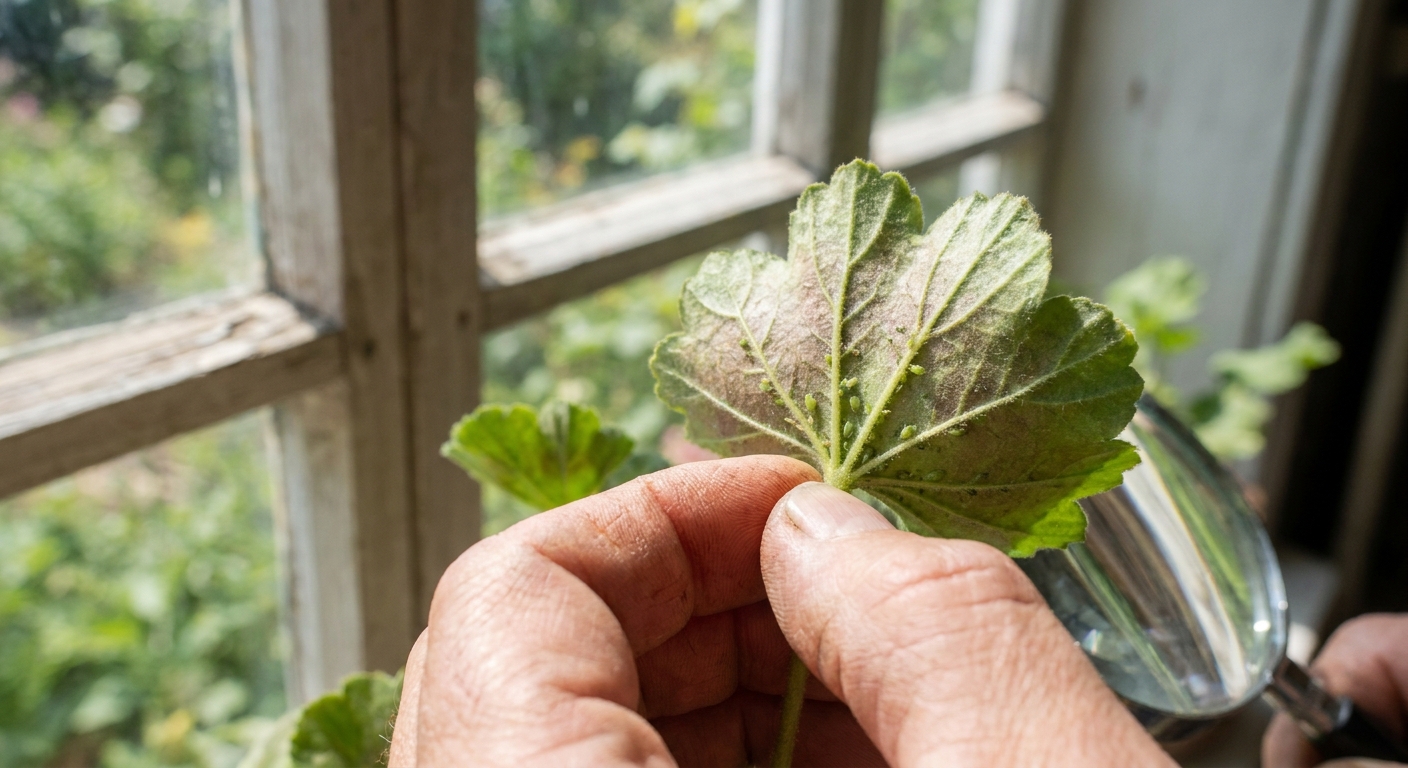
The most common winter geranium drama is not “mystery leaf drop.” It is hitchhiking insects that multiply once the plant is warm and sheltered.
Where to look
- Undersides of leaves (the #1 hiding spot)
- Leaf joints and branch junctions
- Soil surface and pot rim
What you might find
- Aphids: soft-bodied clusters on tender tips
- Whiteflies: tiny white insects that flutter up when disturbed
- Spider mites: fine webbing and stippled, dusty-looking leaves
- Mealybugs: white cottony bits in crevices
If you spot pests, isolate the plant. Wipe what you can with a damp cloth, rinse foliage in the shower, and treat with insecticidal soap or horticultural oil following the label. Repeat treatments are usually necessary because eggs hatch later.
Step 3: Use bright light and cool air
Your winter success formula is simple: bright light + cooler temperatures + lighter watering.
Light
- Choose your brightest window, ideally with several hours of direct sun.
- Rotate the pot every week or two so it grows evenly.
- If the plant starts reaching toward the glass and spacing out between leaves, it wants more light.
If you are dealing with very short, dark winter days (or a north-facing setup), a small grow light can make the difference between compact growth and a stretched, unhappy plant.
Temperature
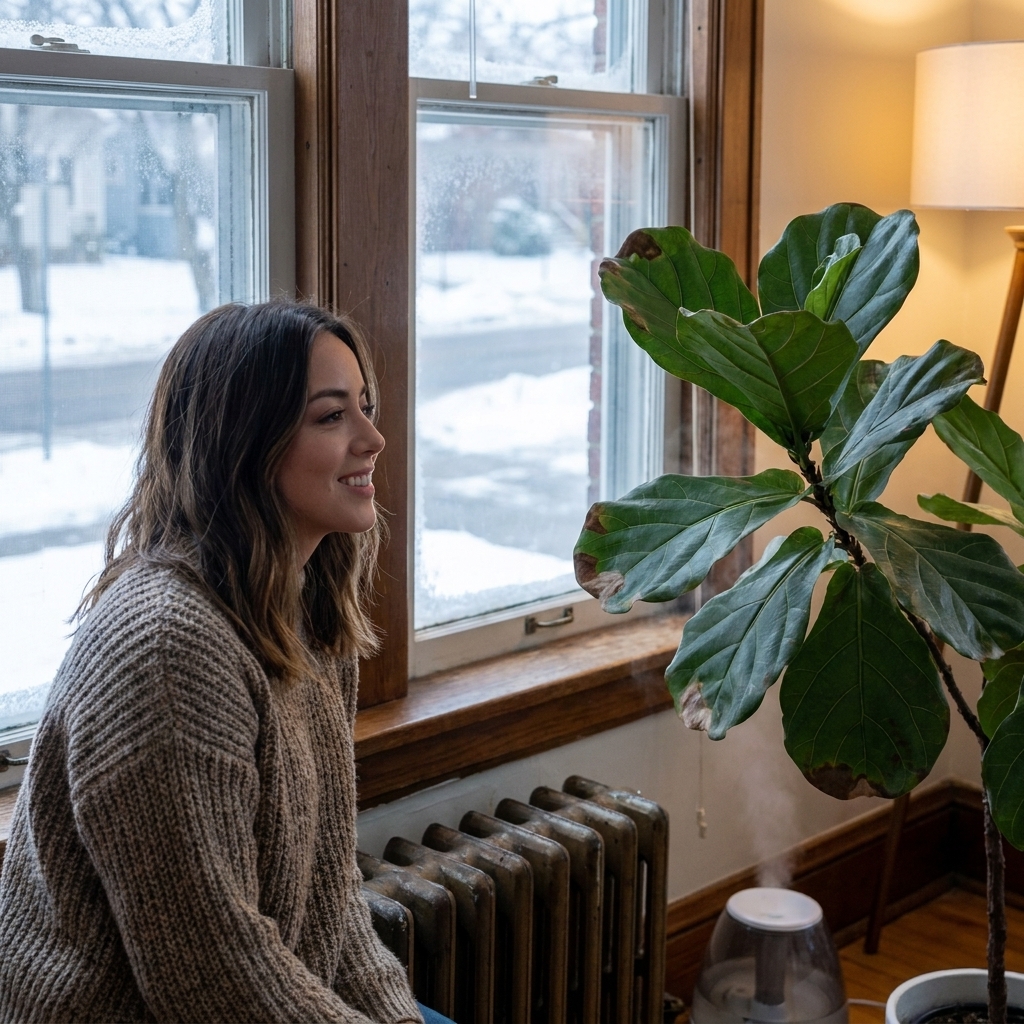
Geraniums overwinter best on the cool side. If you can give them a bright window in a room that stays roughly 50 to 65°F (10 to 18°C), they typically behave beautifully. Keep them away from heating vents and radiators that dry foliage and push weak winter growth. Also watch for cold drafts and temperature swings near windows, which can trigger leaf drop even when you are watering correctly.
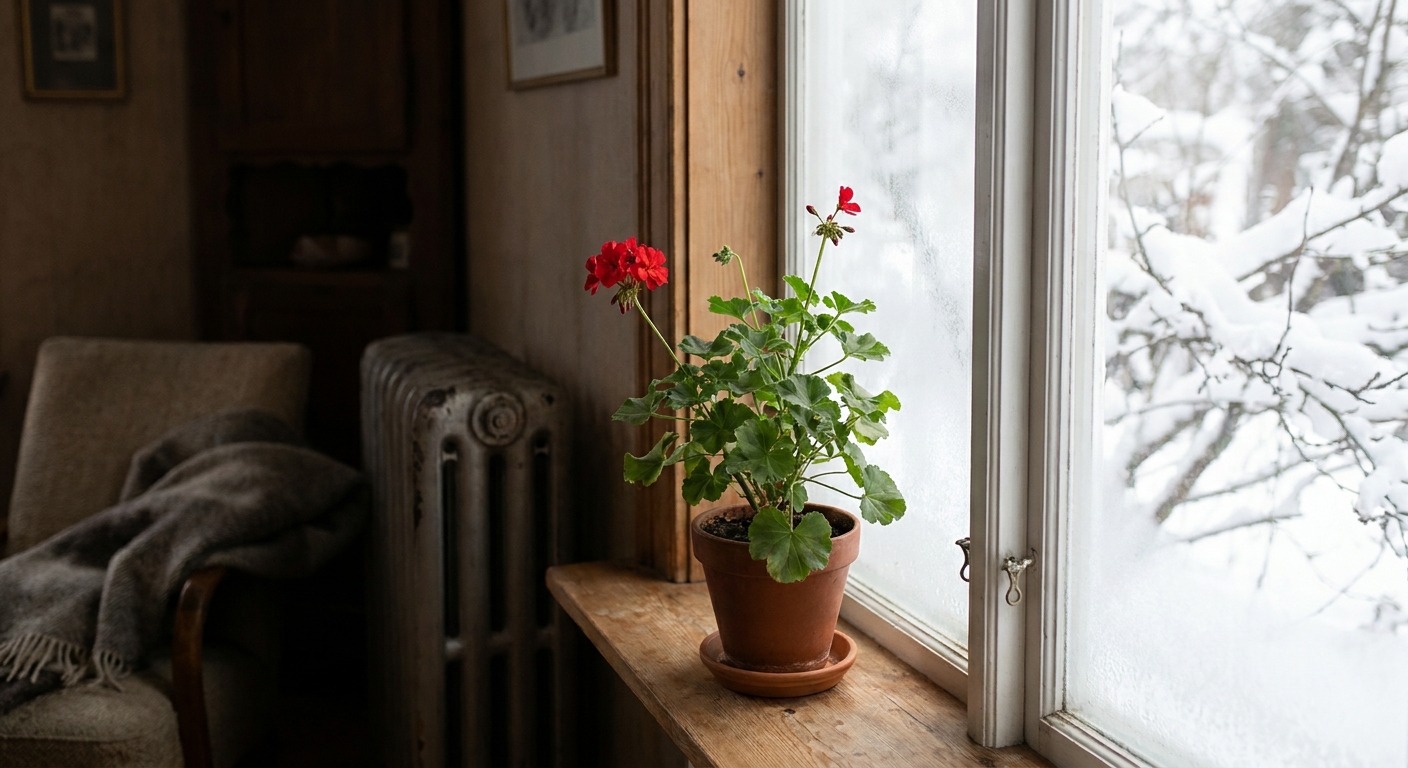
One small variety note: zonal, ivy, and scented-leaf pelargoniums all overwinter well, but their “sweet spot” for light and watering can vary a little. When in doubt, keep the light high and the soil on the dry side of moist.
Watering: sparse and patient
This is the make-or-break piece. Indoors in winter, pelargoniums use water slowly. Roots sitting in wet potting mix are the fast track to rot.
How to water in winter
- Let the potting mix dry down well before watering again. For most homes, that means watering far less often than summer.
- Check moisture by feeling 2 inches down. If it is cool and damp, wait.
- When you do water, water thoroughly until a little drains out, then empty the saucer.
Signs you are watering too much
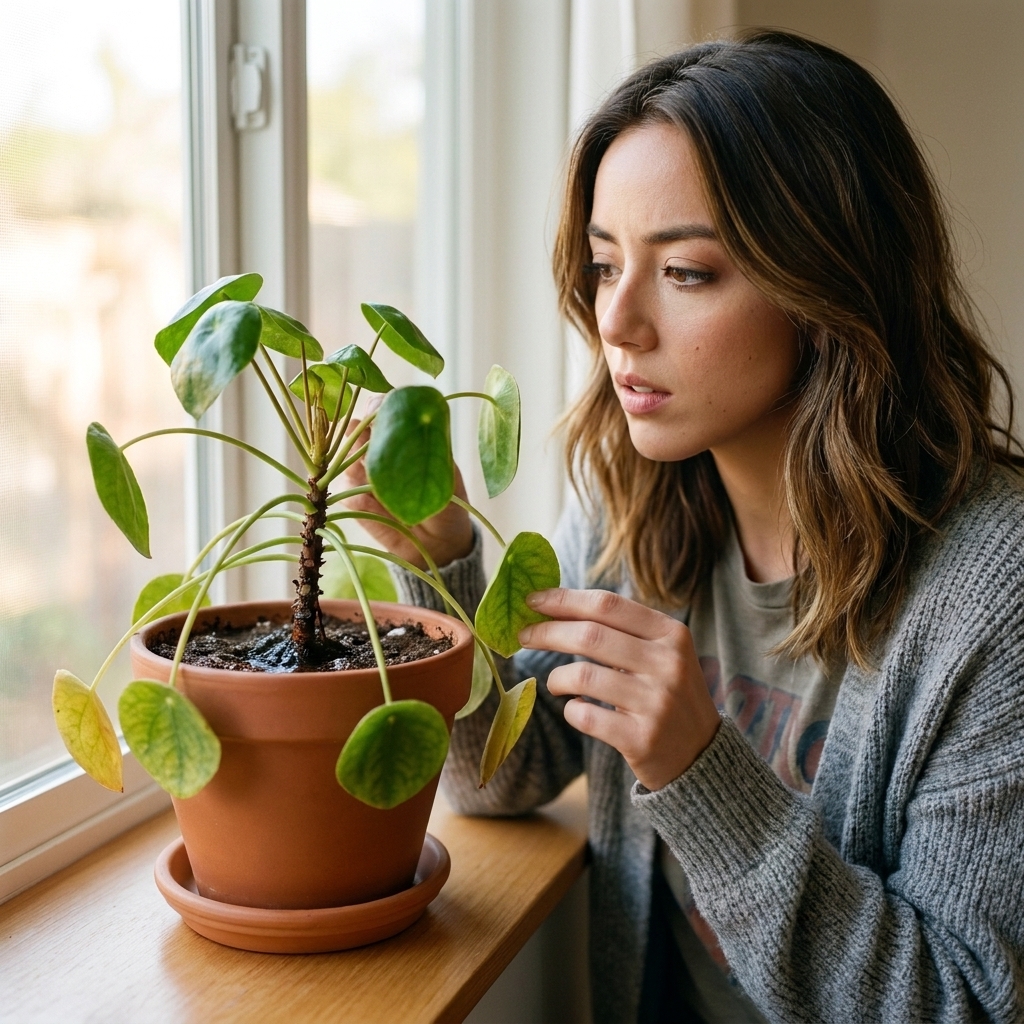
- Lots of yellowing leaves, especially lower leaves
- Soft stems near the soil line
- A musty smell from the potting mix
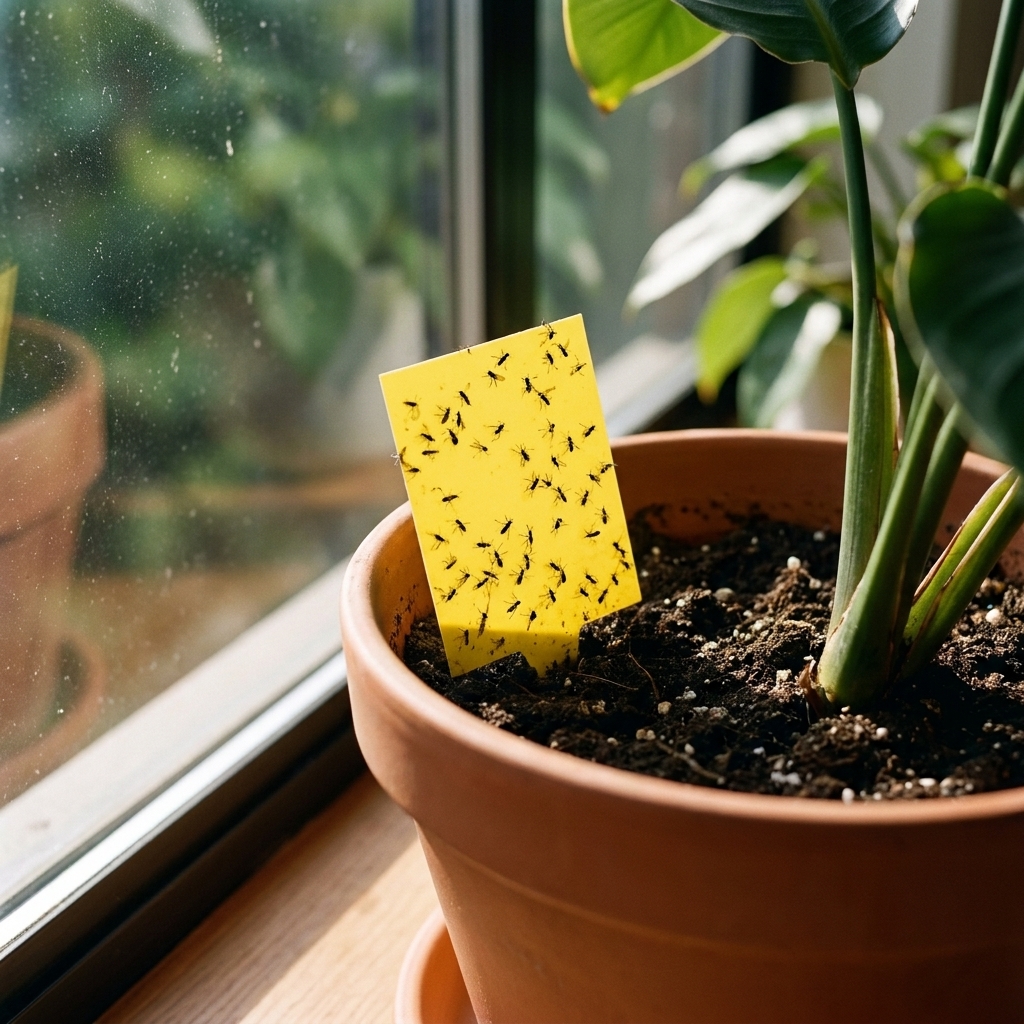
- Fungus gnats hovering around the soil
Signs you are watering too little
- Leaves droop but feel dry or papery
- The pot feels extremely light and the mix pulls away from the pot edges
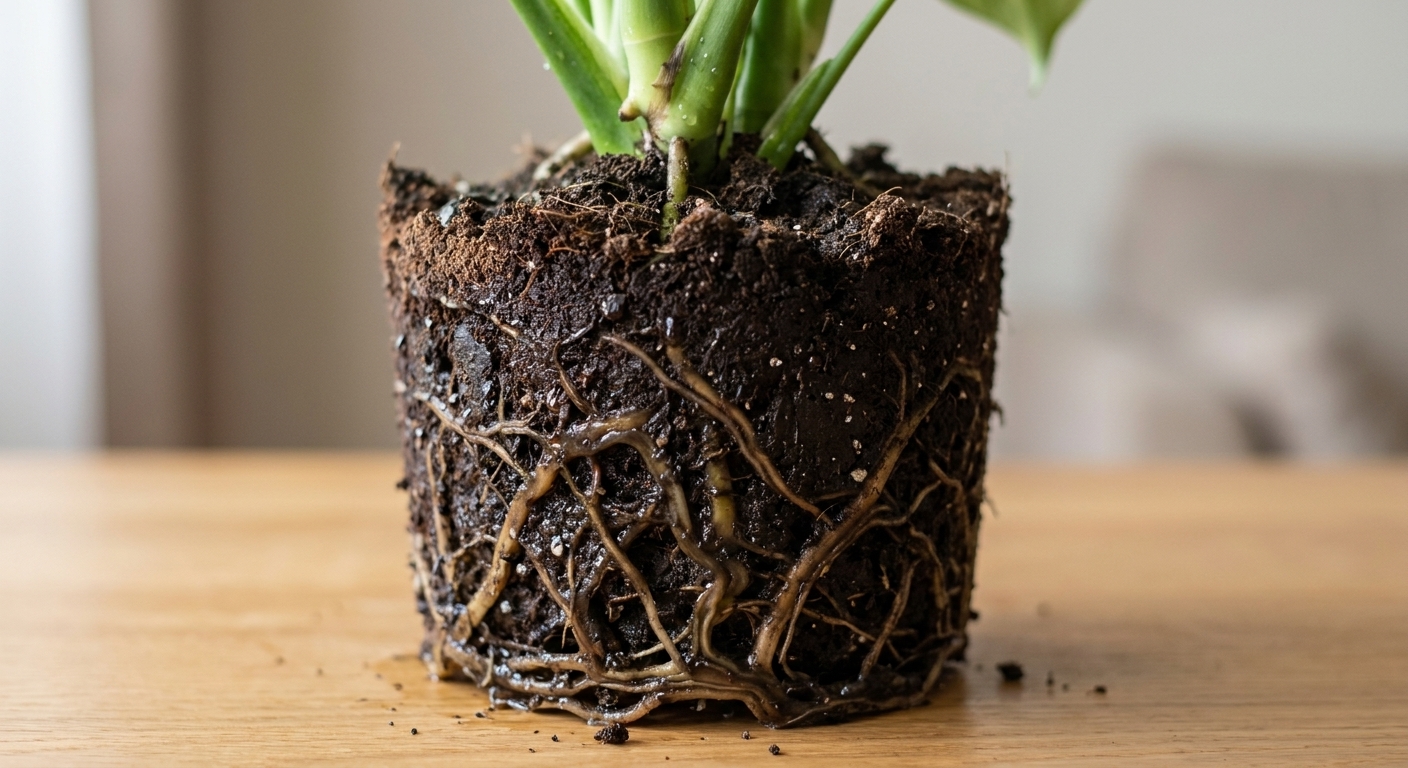
If you suspect rot, stop watering, increase light and airflow, and consider sliding the root ball out to check for black, mushy roots. Healthy roots are usually pale to light tan and firm, though older healthy roots can look a bit more brown.
Pause fertilizer
In winter, feeding often creates soft, stretched growth that is more prone to pests and stress. I keep it simple:
- Do not fertilize through the darkest part of winter.
- When you notice longer days and stronger light, usually late winter, you can restart at a half-strength balanced fertilizer.
If your geranium drops a few leaves while resting, that is not a cue to fertilize. It is a cue to check light and watering.
What "resting" looks like
A geranium that is overwintering well often looks “paused.” Here is what I consider normal:
- Slower growth, smaller new leaves
- Some leaf drop, especially older leaves
- Fewer flowers or no flowers at all
- Firm stems and generally healthy color on remaining leaves
What is not normal is rapid decline: lots of yellow leaves at once, mushy stems, or an explosion of pests. Those are problems to troubleshoot immediately.
Midwinter fixes
If leaves are dropping
- Most common cause: low light combined with too much water.
- Move closer to the brightest window you have, rotate weekly, and extend the dry time between waterings.
- Make sure the pot drains freely and is not sitting in water.
- If it is parked in a drafty window or right above a heat vent, move it. Temperature swings can also cause leaf drop.
If you see pale, stretched stems
- Increase light. A few hours of direct sun can make a big difference.
- Pinch back the tips lightly to encourage branching.
If you keep fighting fungus gnats
- Let the top few inches dry fully between waterings.
- Remove fallen leaves from the soil surface.
- Consider bottom watering occasionally, but do not keep the pot standing in water.
Waking it up in spring
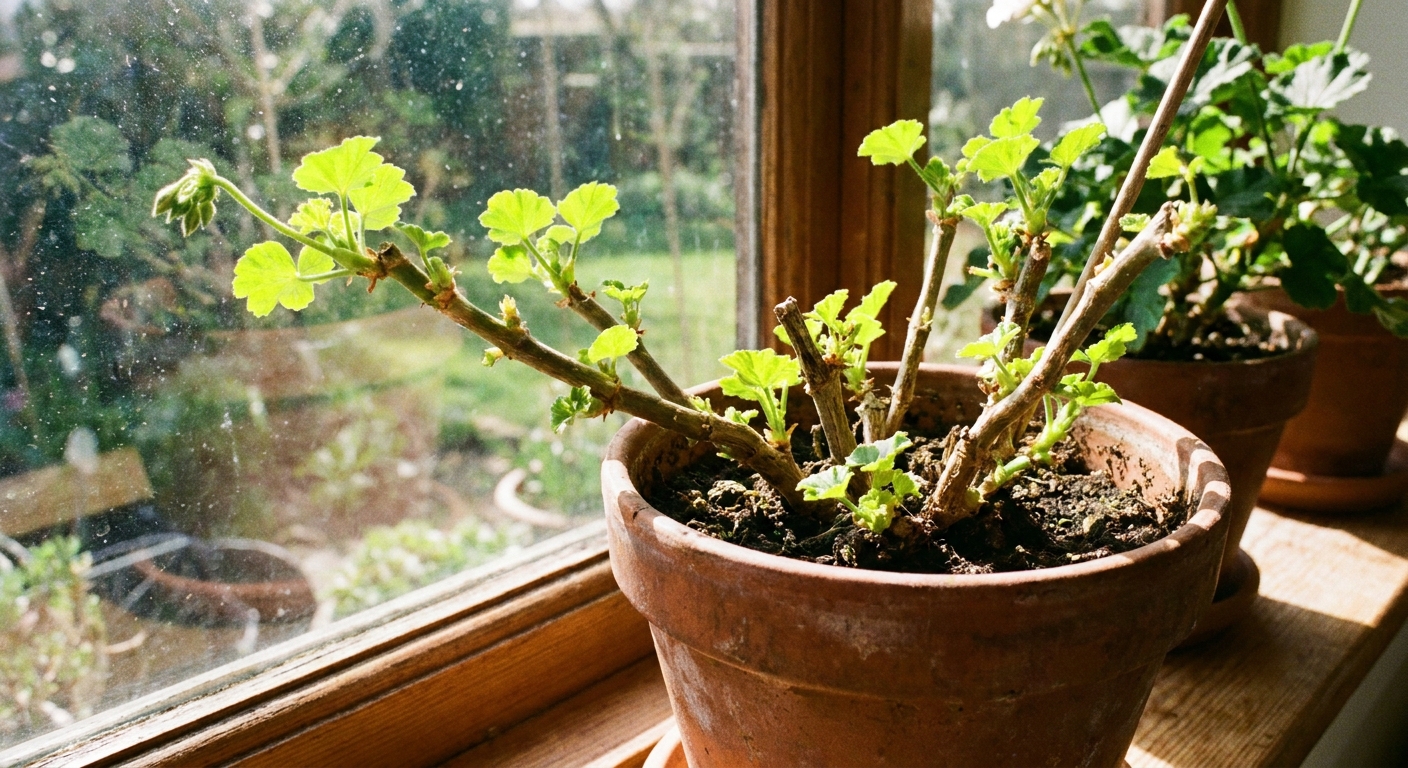
As light increases toward the end of winter, your geranium will start signaling that it is ready to grow again.
Signs it is waking up
- New leaf buds at the nodes
- Faster drying potting mix
- Stronger, more upright growth
What to do next
- Increase light exposure as much as possible, still avoiding heater blasts.
- Water a bit more often, still waiting until the mix dries, but not letting it stay bone-dry for long stretches.
- Resume fertilizer at half strength for a few weeks, then normal strength if the plant is actively growing.
- If the plant is rootbound or the mix is old and compacted, repot into fresh, well-draining potting mix.
Moving it back outside
Do not rush the outdoor move. Pelargoniums love sun, but after months indoors they can sunburn like a person who forgot sunscreen.
Harden it off
- Wait until all frost risk has passed in your area.
- Start with a few days in bright shade outdoors, then morning sun, then longer sun exposure over 7 to 10 days.
- Protect from cold rain and chilly nights at first.
Once acclimated, your overwintered plant usually rebounds quickly and can bloom earlier than a brand-new nursery start, though nothing is guaranteed.
Quick checklist
- Bring inside before frost.
- Cut back leggy growth and remove tired leaves.
- Inspect leaf undersides and treat pests early.
- Use a pot with drainage holes and a fast-draining mix.
- Set in a bright window and rotate the pot.
- Keep it cool and away from vents and drafts.
- Water sparingly, only after the mix dries down.
- Hold fertilizer until days lengthen.
- In spring, increase light and water gradually, then harden off outdoors after frost danger.
FAQ
Should I keep my geranium blooming indoors all winter?
You can sometimes get winter blooms in a very bright window, but it is not required for success. I focus on keeping the plant compact, pest-free, and not overwatered. Flowers are a bonus.
Can I store geraniums indoors in the dark?
This article focuses on overwintering a potted pelargonium as a houseplant in winter. For that approach, it needs a bright window or supplemental light. Dark storage is a different method and requires a different routine.
Why do my indoor geranium leaves turn yellow?
Most often it is too much water in low light. Let the mix dry more between waterings, confirm the pot drains well, and increase light if possible.