A plant-parent friendly breakdown of rooting cuttings in water vs. soil, including success rates, best plants for each method, and step-by-step instructions.
If you have ever wished you could magically turn one plant into two, propagation is your new best friend. And I promise you do not need a greenhouse, fancy tools, or a “born with it” green thumb. I killed my first three succulents in college by loving them to death, so you are in good company.
Below are 10 of the easiest houseplants to propagate indoors, plus the most reliable method for each one and simple aftercare that helps those baby roots keep going. Pick one plant, try one method, and you will be hooked.
Before you start: my beginner propagation rules
- Find the node first. For vining plants, roots come from nodes, the little bumps where leaves and aerial roots grow.
- Use clean snips. A quick wash with soap and water helps prevent rot.
- Bright, indirect light wins. Not deep shade, not harsh sun. Think: near a window, out of the sunbeam.
- Warmth matters. Most cuttings root fastest at normal home temps, roughly 68 to 78 F.
- Drainage is not optional. If you are rooting in soil, use a pot with a drainage hole and a well-draining mix.
- Be patient with the timeline. “Easy” does not always mean “instant.” You are growing a whole new root system.
- Quick safety note. Several plants here (including pothos, philodendron, ZZ plant, and Chinese evergreen) can be toxic if chewed by pets or kids, so keep fresh cuttings out of reach.
Quick tool list: scissors or pruners, a clean jar or small pot, fresh potting mix (or water), and a little optimism.
Water, soil, or moss? Water is great for watching progress, soil is great for skipping the “transfer shock,” and damp sphagnum moss can be a sweet spot when water tends to rot your cuttings.
1) Pothos (Epipremnum aureum)
Pothos is the gateway plant for propagation because it roots fast, tolerates imperfect conditions, and bounces back even if you make a clumsy cut.
Typical timeline: about 1 to 3 weeks to see solid roots in warm, bright conditions.
Best method
Water propagation (then pot up), or direct-to-soil if you want to skip the jar step.
How to propagate pothos
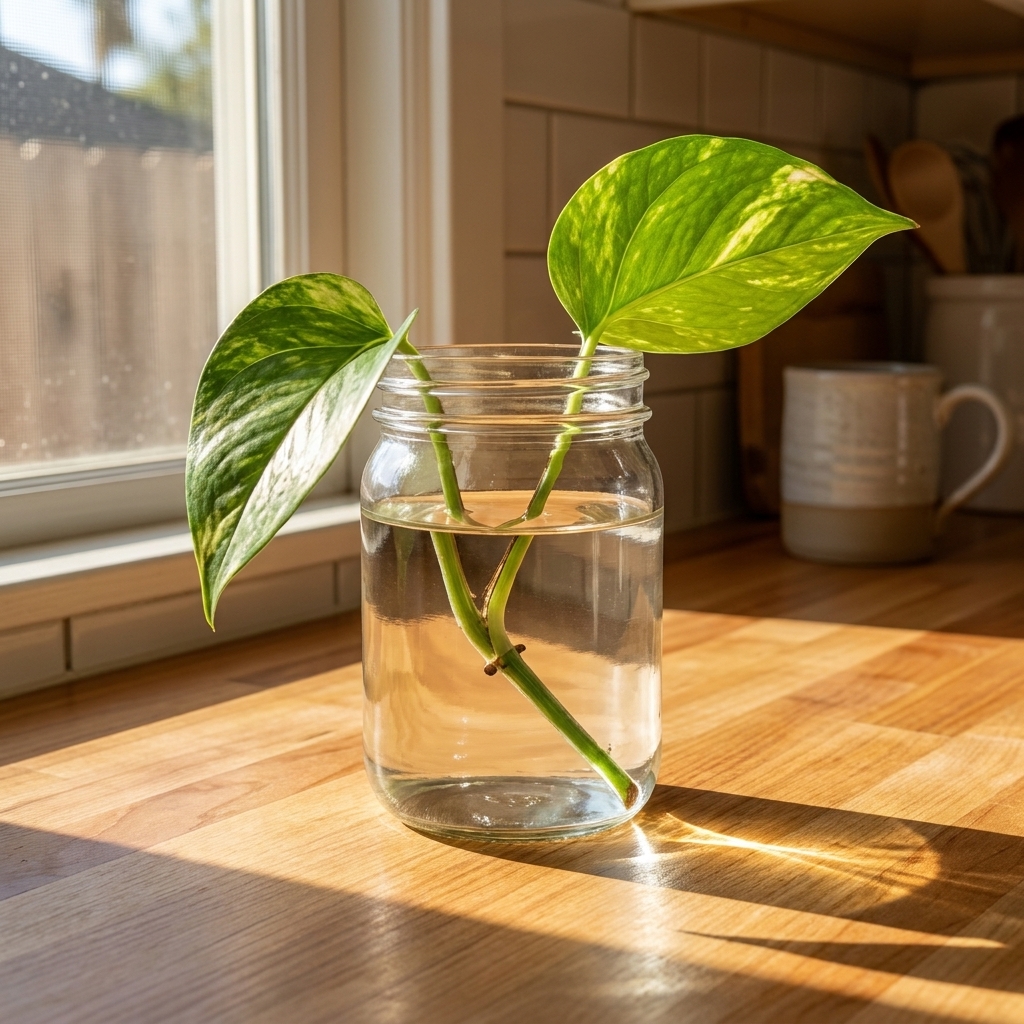
- Cut a vine just below a node. Aim for 1 to 3 leaves per cutting.
- Remove the lowest leaf so the node can sit under water or soil.
- Place the node in water, keeping leaves above the waterline.
- Top off as needed and change the water about weekly or anytime it looks cloudy or smells off.
- Pot up when roots are a few inches long and starting to branch.
Aftercare tips
- When you transfer to soil, keep the mix lightly moist for 1 to 2 weeks so the water roots can adapt.
- Want a fuller pot? Plant several cuttings together.

2) Heartleaf Philodendron (Philodendron hederaceum)
Heartleaf philodendron propagates almost exactly like pothos, but it has a softer, velvety vibe and a very forgiving personality.
Typical timeline: roughly 2 to 4 weeks, sometimes faster.
Best method
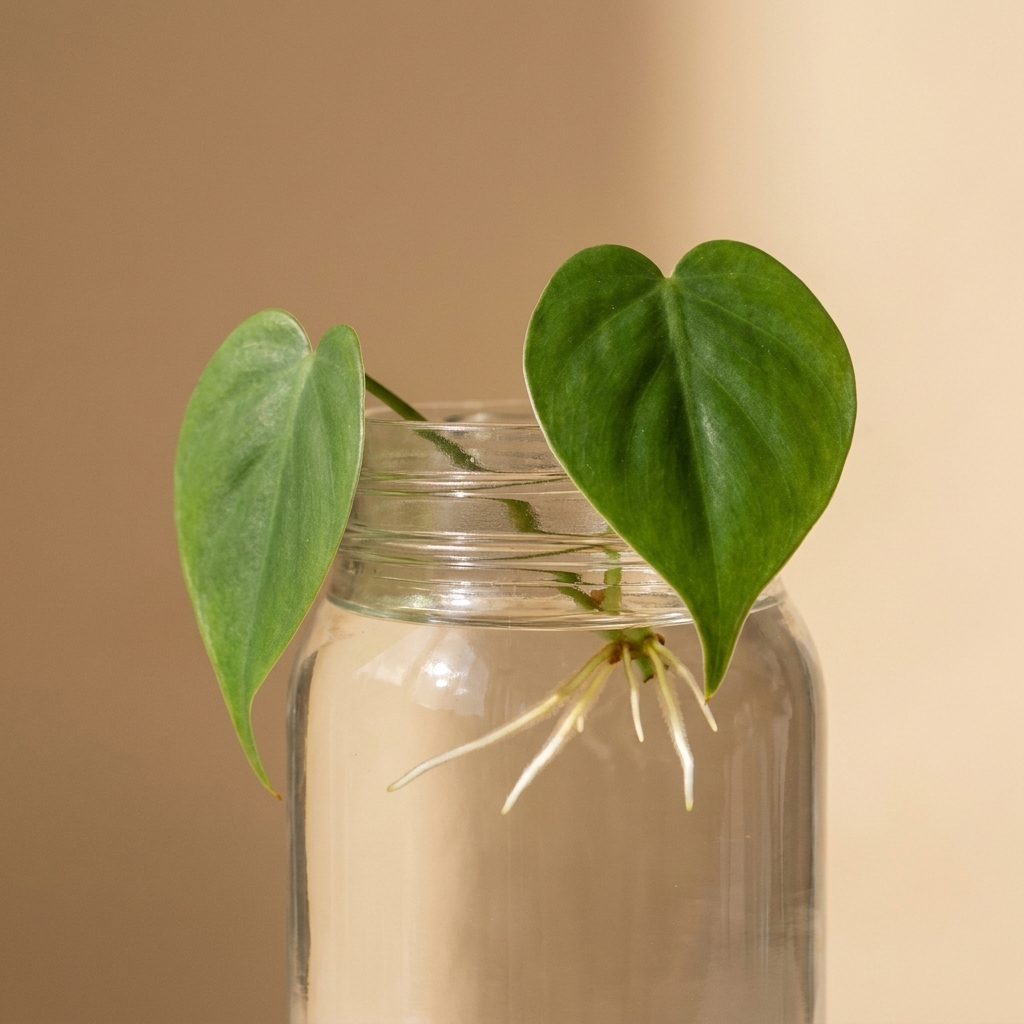
Water propagation or sphagnum moss if you struggle with cuttings rotting in water.
How to propagate
- Take a cutting with at least one node and 1 to 2 leaves.
- Root in water or tuck the node into damp moss inside a ventilated container.
- Keep in bright, indirect light and warm temperatures.
- Move to soil when you have multiple roots that are a few inches long.
Aftercare tips
- If you use moss, keep it damp like a wrung-out sponge, not wet.
- After potting, keep soil slightly moist for a week or two, then return to normal watering.
3) Spider Plant (Chlorophytum comosum)
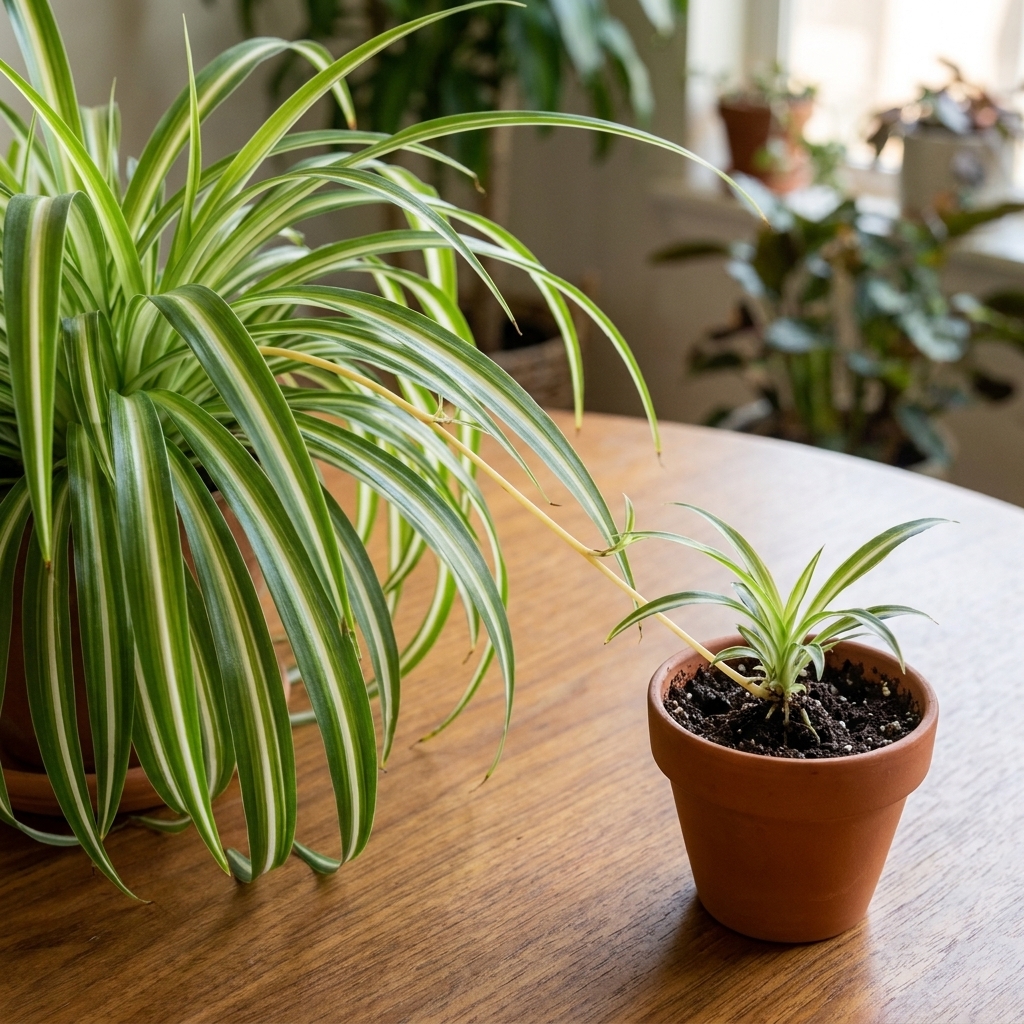
If your spider plant is making babies, it is basically offering you free plants. Spiderettes are one of the lowest-stress propagation projects you can do.
Typical timeline: about 2 to 4 weeks to root when potted while still attached.
Best method
Root spiderettes in water or soil, ideally while still attached to the mother plant at first.
How to propagate spider plant babies
- Pick a spiderette with tiny nubs or starter roots.
- Set it in a small pot of moist mix while still attached via the runner, if possible.
- Once it resists a gentle tug (usually 2 to 4 weeks), snip the runner.
Aftercare tips
- Keep the new pot evenly moist the first couple of weeks.
- Do not oversize the pot. Small roots like a small home.
4) Tradescantia (Wandering Dude, Inch Plant)
Tradescantia is the “blink and it rooted” plant. It propagates so easily that even fallen pieces often root on their own in the pot.
Typical timeline: often 1 to 2 weeks for noticeable rooting.
Best method
Direct-to-soil for the fastest, bushiest results, or water if you love watching roots.
How to propagate
- Snip stems into 3 to 5 inch pieces.
- Remove leaves from the bottom inch so at least one node can be buried.
- Stick multiple cuttings into the same pot, burying at least one node per cutting.
- Water thoroughly and keep in bright, indirect light.
Aftercare tips
- Pinch tips after it roots to encourage branching.
- If stems get leggy later, just chop and replant cuttings to refresh the pot.

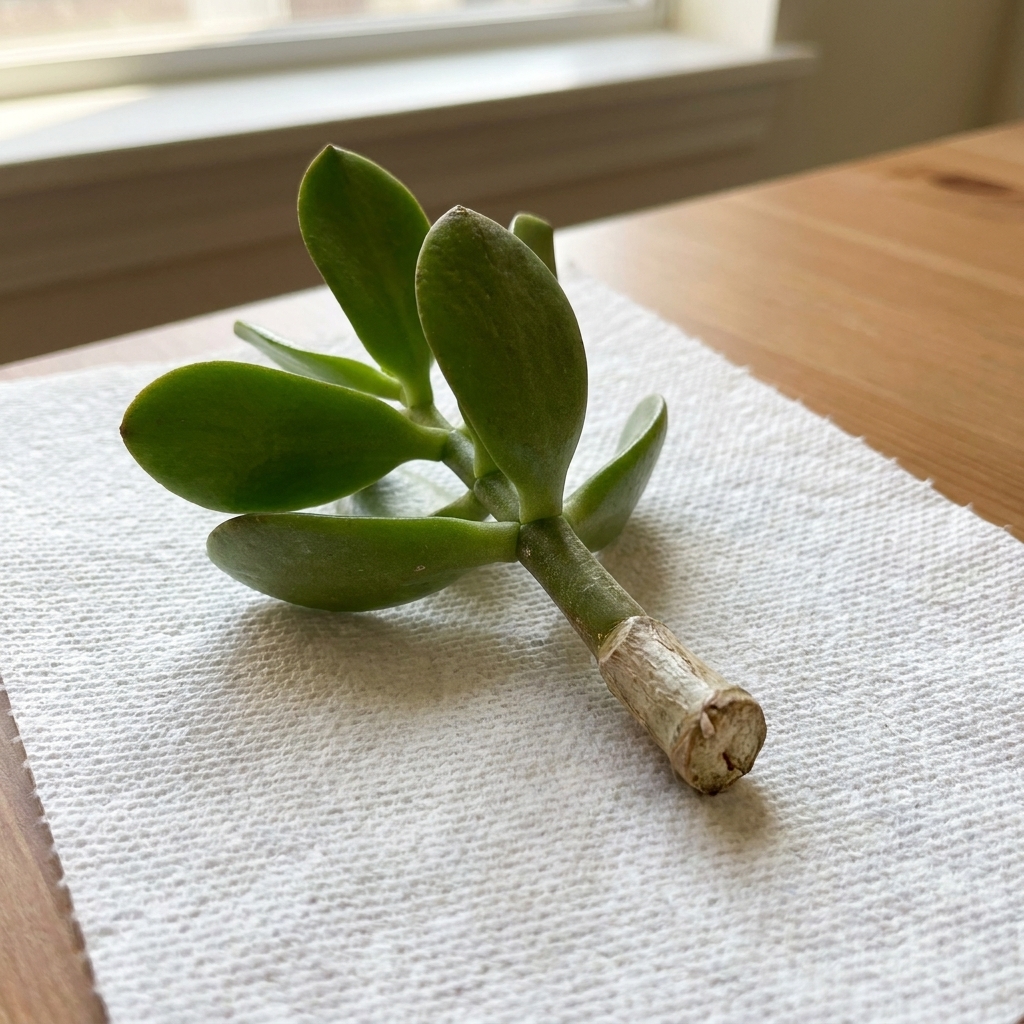
5) Jade Plant (Crassula ovata)
Jade is one of the easiest succulents to propagate, as long as you resist the urge to water too soon. This is where past-me went wrong.
Typical timeline: callus in a few days, then rooting often takes 2 to 6 weeks.
Best method
Stem cuttings in soil (most reliable), or leaf propagation if you like slow, satisfying projects.
How to propagate jade from a cutting
- Cut a healthy stem segment 2 to 4 inches long.
- Let the cut end callus in open air for 2 to 5 days. A callus is just a dry, sealed-over end that helps prevent rot.
- Plant in a gritty cactus or succulent mix.
- Wait about a week before the first light watering, then water sparingly.
Aftercare tips
- Bright light is key, including some gentle morning sun.
- If the cutting wrinkles a bit early on, do not panic. Roots come first.
6) Snake Plant (Dracaena trifasciata)
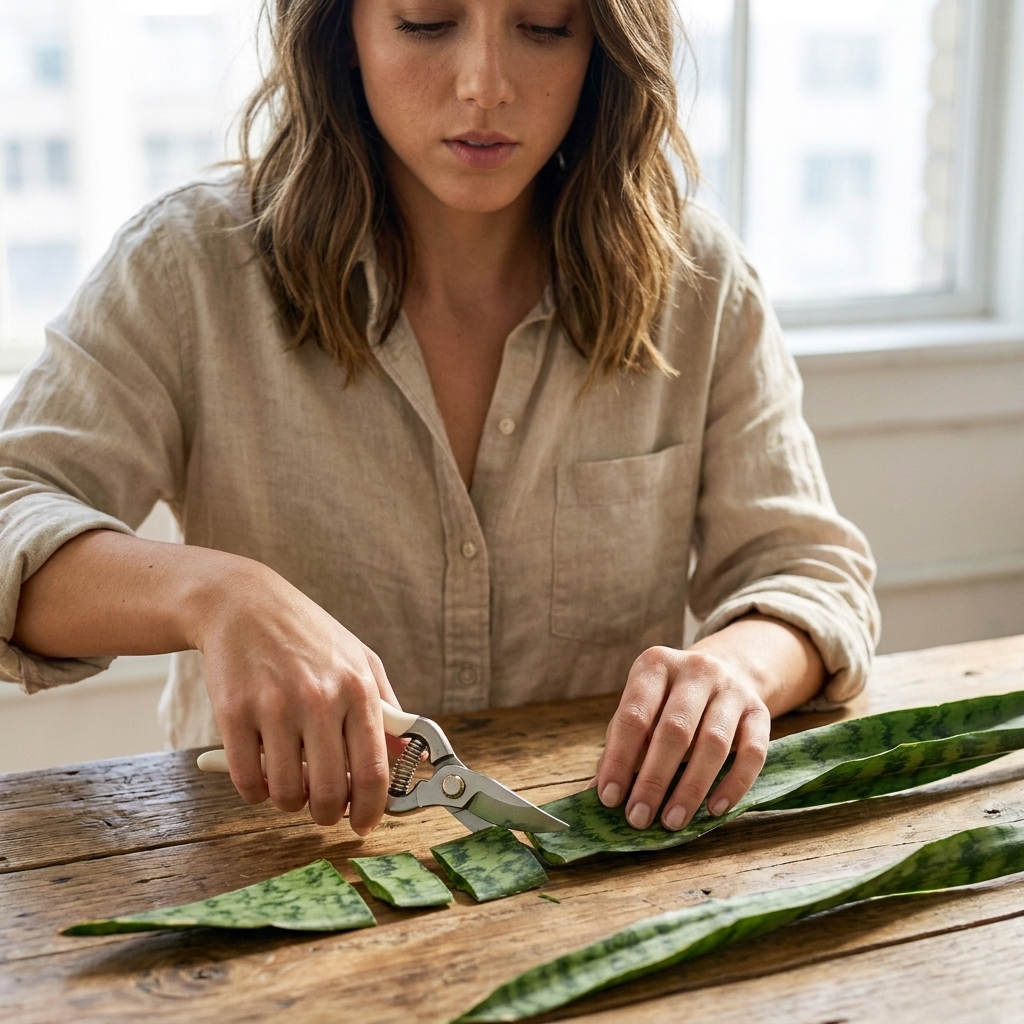
Snake plants are famously tough, and they give you a few beginner-friendly propagation options. The simplest is dividing pups. Leaf cuttings also work, just slower.
Typical timeline: division is immediate, leaf cuttings can take 1 to 4+ months (sometimes longer).
Best method
Division of pups (fastest and most foolproof). Leaf cuttings are great if your plant has no pups yet.
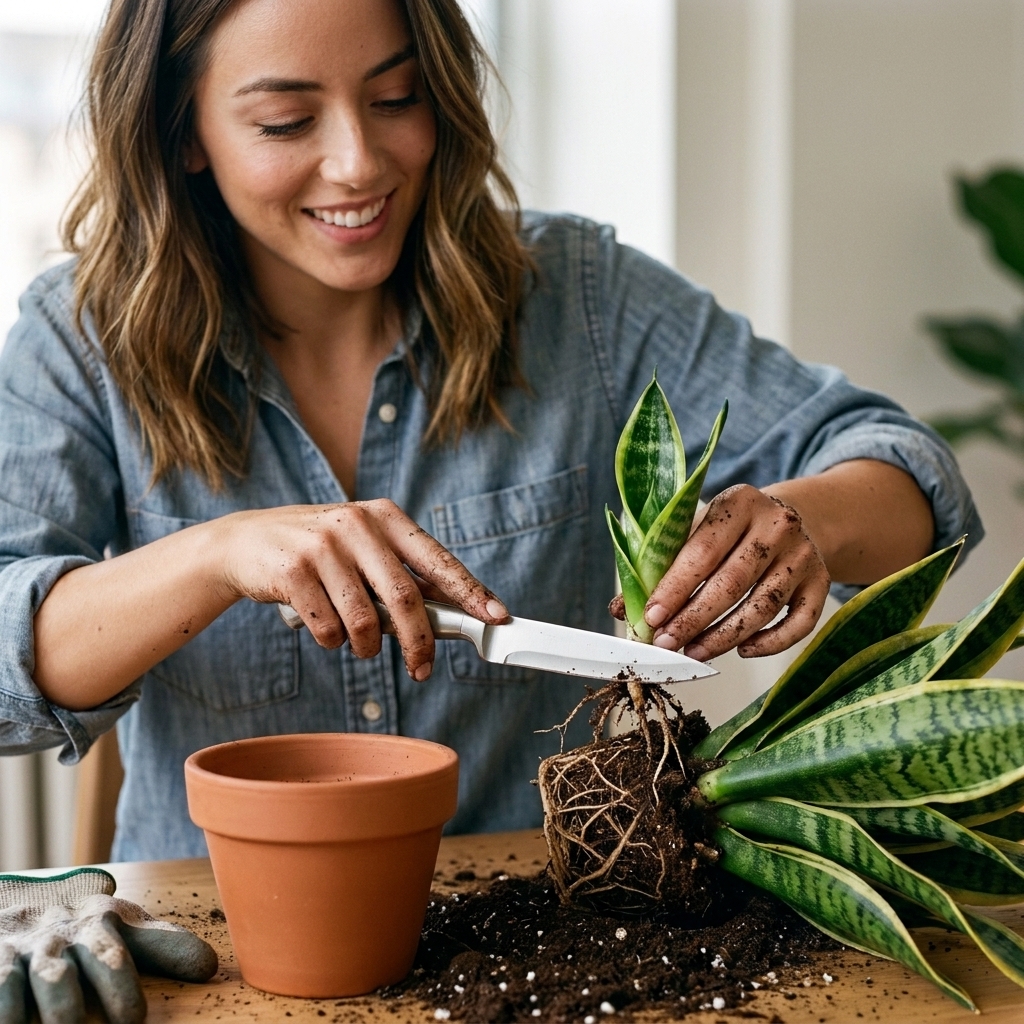
How to propagate by division
- Slip the plant out of its pot and locate a pup with its own roots.
- Use a clean knife to separate the pup from the mother rhizome.
- Pot the pup into a small pot with well-draining mix.
How to propagate from leaf cuttings
- Cut a leaf into 3 to 4 inch sections.
- Keep track of the bottom end and plant it bottom-down.
- Let pieces dry for 1 to 2 days, then plant in succulent mix.
Aftercare tips
- Water lightly only after the mix dries fully.
- Variegated varieties often will not keep their variegation when leaf-propagated. If you want a true match, do division.
7) Aloe Vera
Aloe does not reliably propagate from single leaf cuttings indoors. The easy win is separating offsets, also called pups.
Typical timeline: pups settle in within a couple of weeks, with visible new growth often in 3 to 8 weeks.
Best method
Pup division
How to propagate aloe pups
- Wait until pups are at least a few inches tall.
- Remove the plant from the pot and gently brush away soil.
- Separate pups that have their own roots, using a clean knife if needed.
- Let any fresh cuts dry for 24 hours.
- Pot pups in cactus mix and wait several days before watering.
Aftercare tips
- Aloe wants bright light and a soak-and-dry routine.
- Overwatering is the fastest way to lose a new pup.

8) ZZ Plant (Zamioculcas zamiifolia)
ZZ plants are slow growers, but they are surprisingly cooperative propagators. If you are patient, they reward you with chunky rhizomes that power new growth.
Typical timeline: leaf cuttings can take 3 to 12 months to form a rhizome and push new growth.
Best method
Division for quick results, or leaf cuttings for a low-effort project.
How to propagate ZZ by leaf
- Twist off a healthy leaflet cleanly at the base.
- Let it dry for a few hours.
- Insert the base into barely moist potting mix, or place in a small cup with just the base touching water.
- Keep warm and in bright, indirect light.
Aftercare tips
- Expect a long timeline. Rhizomes can take months.
- If rooting in soil, water very sparingly. Let the mix dry almost completely between sips to avoid rot.

9) Chinese Evergreen (Aglaonema)
Aglaonema is a hero for low-light homes, and it can be propagated without much drama once it has multiple stems.
Typical timeline: divisions rebound in 2 to 6 weeks, depending on light and warmth.
Best method
Division or stem cuttings rooted in water or soil.
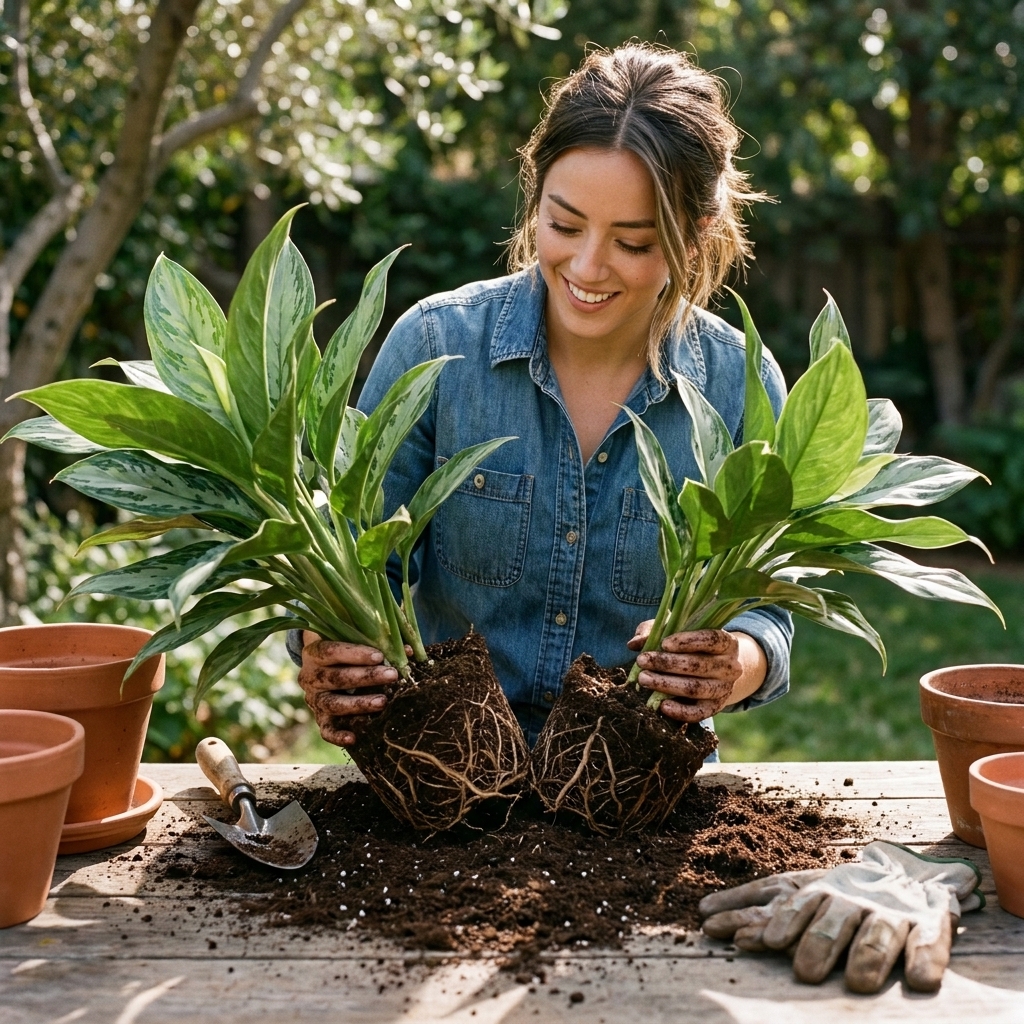
How to propagate by division
- Slide the plant out and gently separate clumps that have roots attached.
- Pot each division in fresh mix and water in.
Aftercare tips
- Keep newly divided plants out of direct sun while they settle.
- If leaves droop for a week, that can be normal post-division stress. Steady moisture, not sogginess, helps.
10) Christmas Cactus (Schlumbergera)
Christmas cactus is one of the most beginner-friendly “specialty” plants to propagate. The segments are basically designed to break off and start new plants.
Typical timeline: often 3 to 6 weeks to root, sometimes longer in cooler rooms.
Best method
Segment cuttings rooted in soil (or water, then soil).
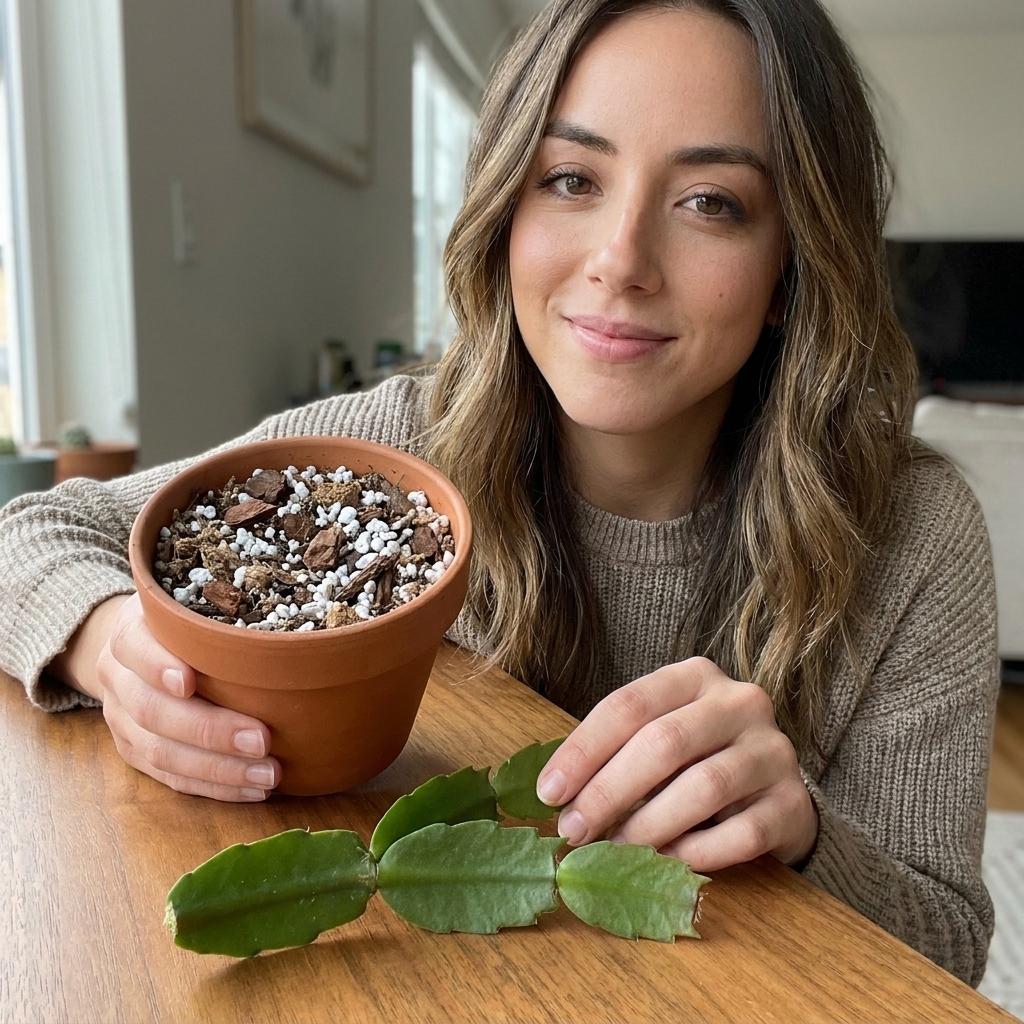
How to propagate
- Twist off a piece that is 2 to 4 segments long.
- Let it dry for 24 to 48 hours so the end calluses, meaning it dries and seals over to reduce rot risk.
- Insert the bottom segment into a slightly moist, airy mix.
- Keep in bright, indirect light.
Aftercare tips
- Keep humidity moderate if you can, but do not cover the pot if it traps soggy air.
- Water lightly until you see new growth, then switch to normal care.
Troubleshooting: why your cuttings are not rooting
Your cutting is turning mushy
- Remove any rotting parts with clean scissors.
- Restart with a fresh cutting that includes a healthy node.
- Use a smaller container and change water when it turns cloudy, or switch to damp moss or soil.
Your cutting roots, then stalls
- Move it closer to brighter, indirect light.
- Make sure it is warm enough, especially at night.
- Check that only stems and nodes are submerged, not leaves.
Your water smells bad
- Dump it, rinse the jar, and refill with fresh water.
- Trim any soft stem tissue and restart.
Beginner FAQ
Can I propagate in plain tap water?
Usually, yes. If your tap water is heavily chlorinated, let it sit out overnight before using it. The bigger factor is keeping leaves out of the water and swapping the water when it turns cloudy or funky.
Do I need rooting hormone?
No. For the plants in this list, clean cuts, a node, and good light do most of the work. Rooting hormone can help with slower projects, but it is not required.
When do I move water cuttings to soil?
I look for several roots that are a few inches long and starting to branch. Then I keep the soil lightly moist for a week or two so the cutting can transition from water roots to soil roots.
What is the easiest plant on this list for a first try?
If you want quick wins, start with pothos, tradescantia, or spider plant babies. They are forgiving and they root fast enough to keep you motivated.
A gentle next step
If you are not sure which plant to start with, look around your home for a vine that is getting long and leggy. That is usually a pothos or philodendron asking for a haircut. Take two cuttings, pop them in water, and in a couple of weeks you will have proof that you can do this.
And if your first attempt flops, please do not take it personally. Propagation is not a talent test. It is just plant care with feedback.